
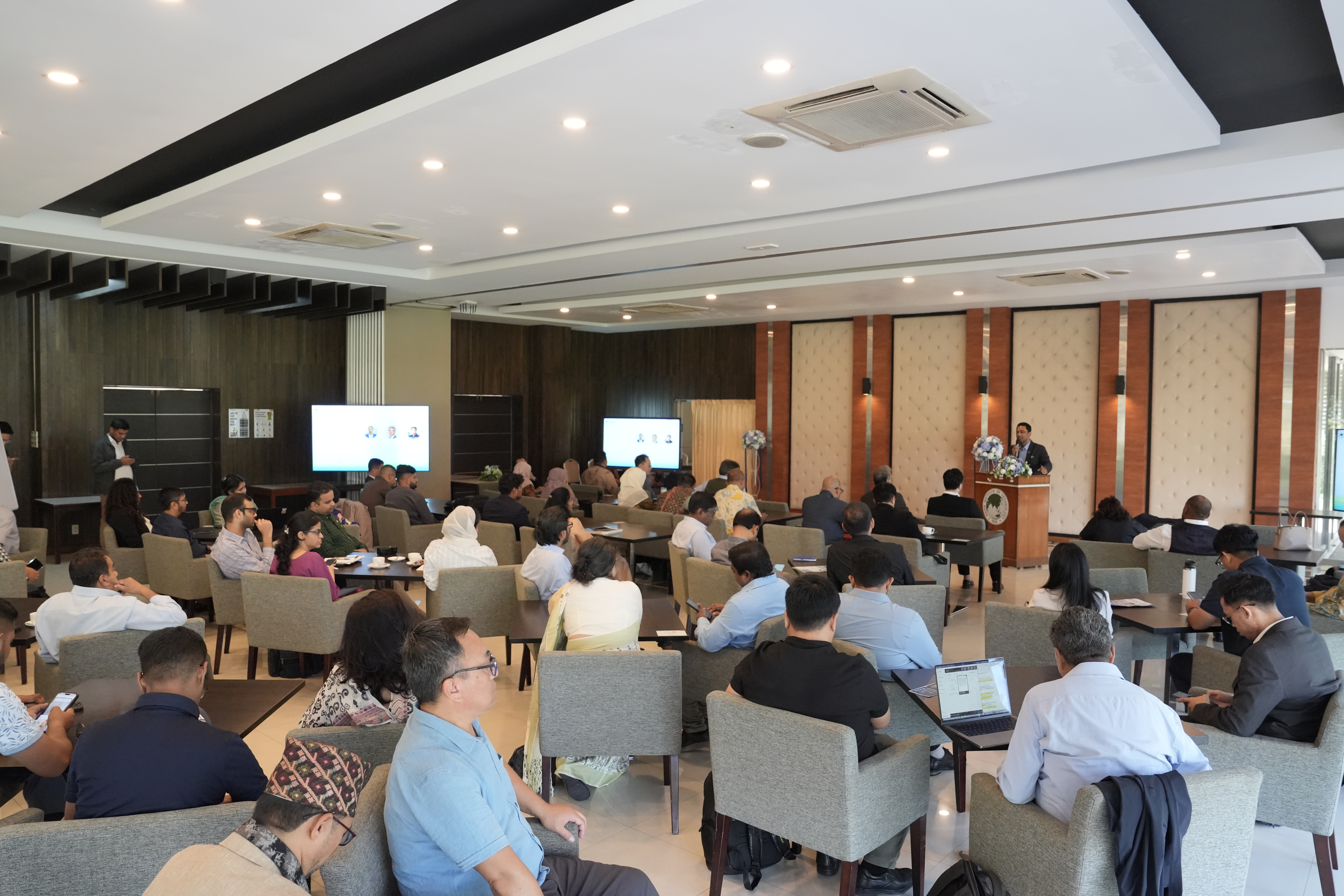
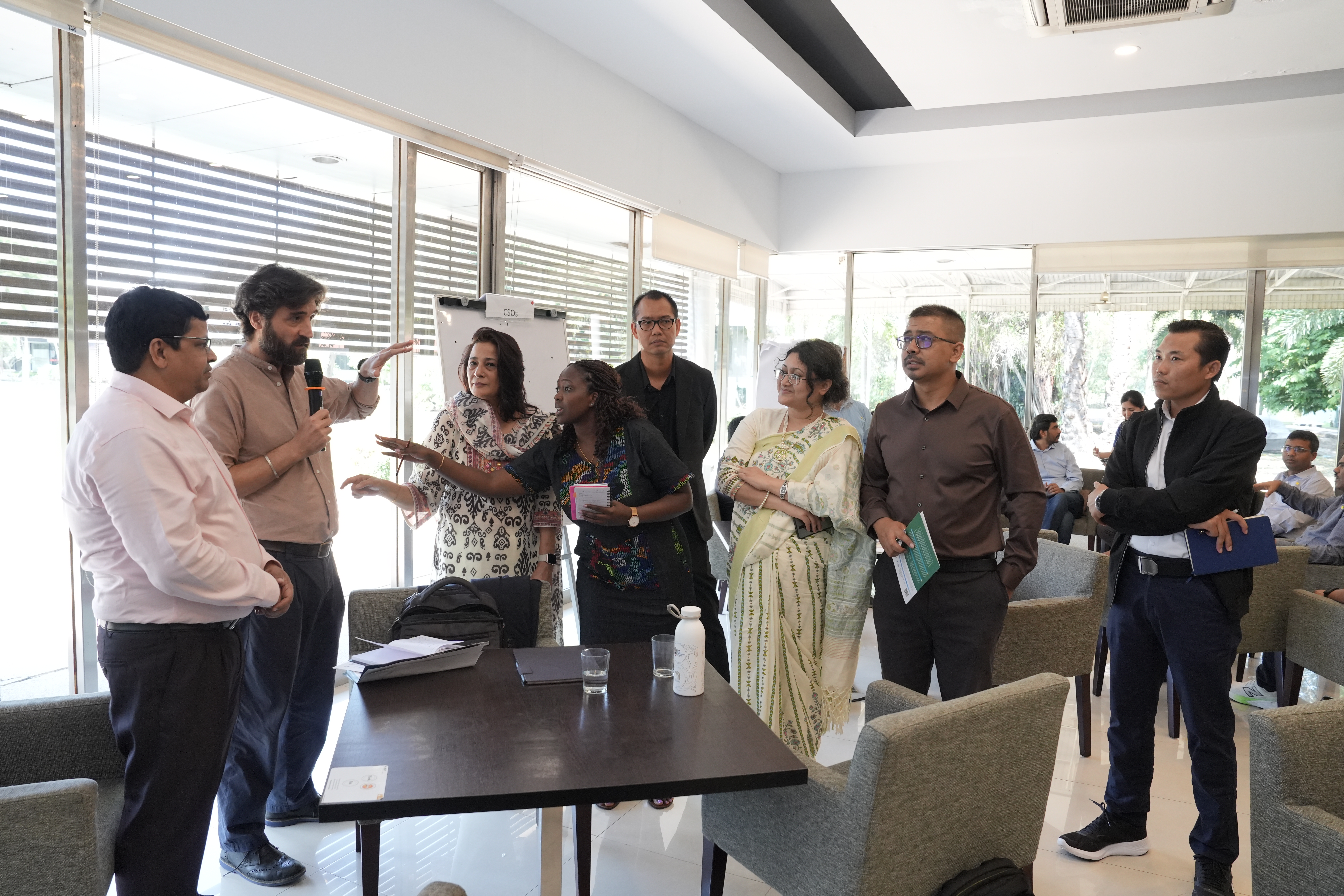
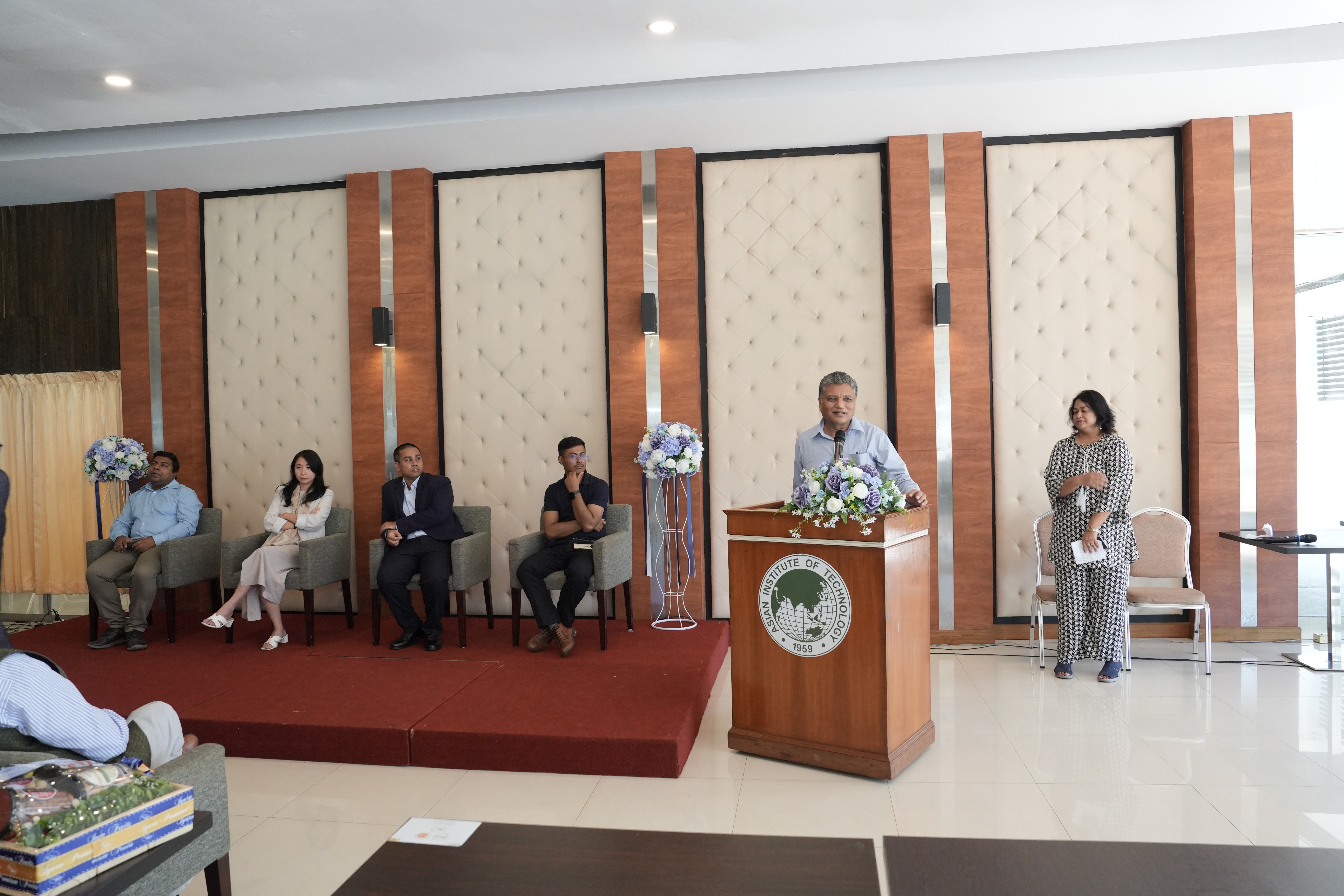
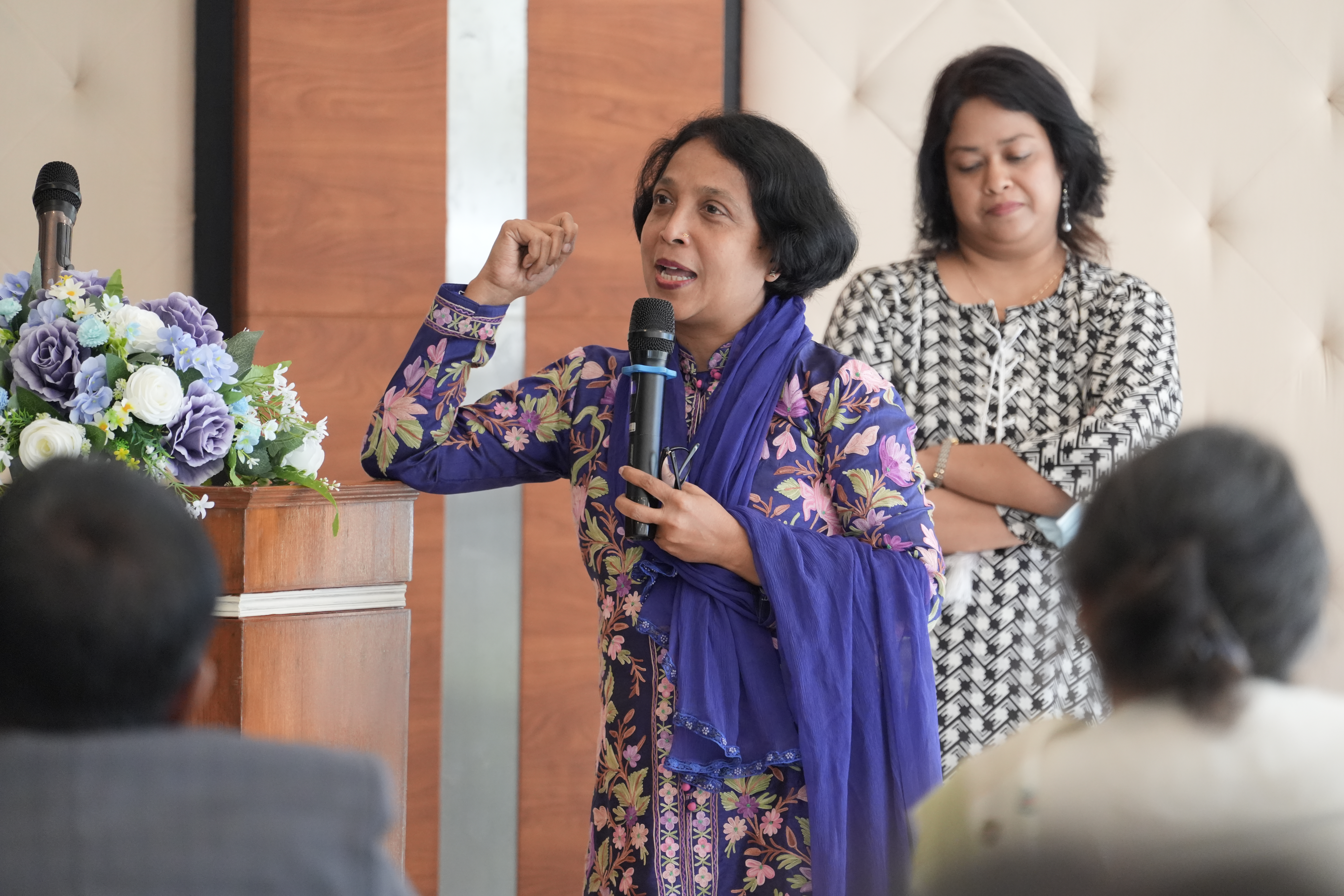
On December 7, 2025, the AIT Conference Center served as the backdrop for a significant milestone in regional water and sanitation efforts. The Global Water & Sanitation Center (GWSC) Partners Learning Forum, themed “Forging Collaborative Pathways for Inclusive Water and Sanitation,” brought together its network of 44 partners to align on a shared vision for the future.
The forum successfully united a diverse delegation consisting of:
- 24 Government Entities: Including ministries, departments, municipalities, and public institutes.
- 20 Private and International Organizations: Comprising private limited companies, NGOs, foundations, and international agencies.
This collaborative gathering allowed global experts and sector leaders to bridge the gap between policy and practice, ensuring a unified approach to inclusive sanitation.
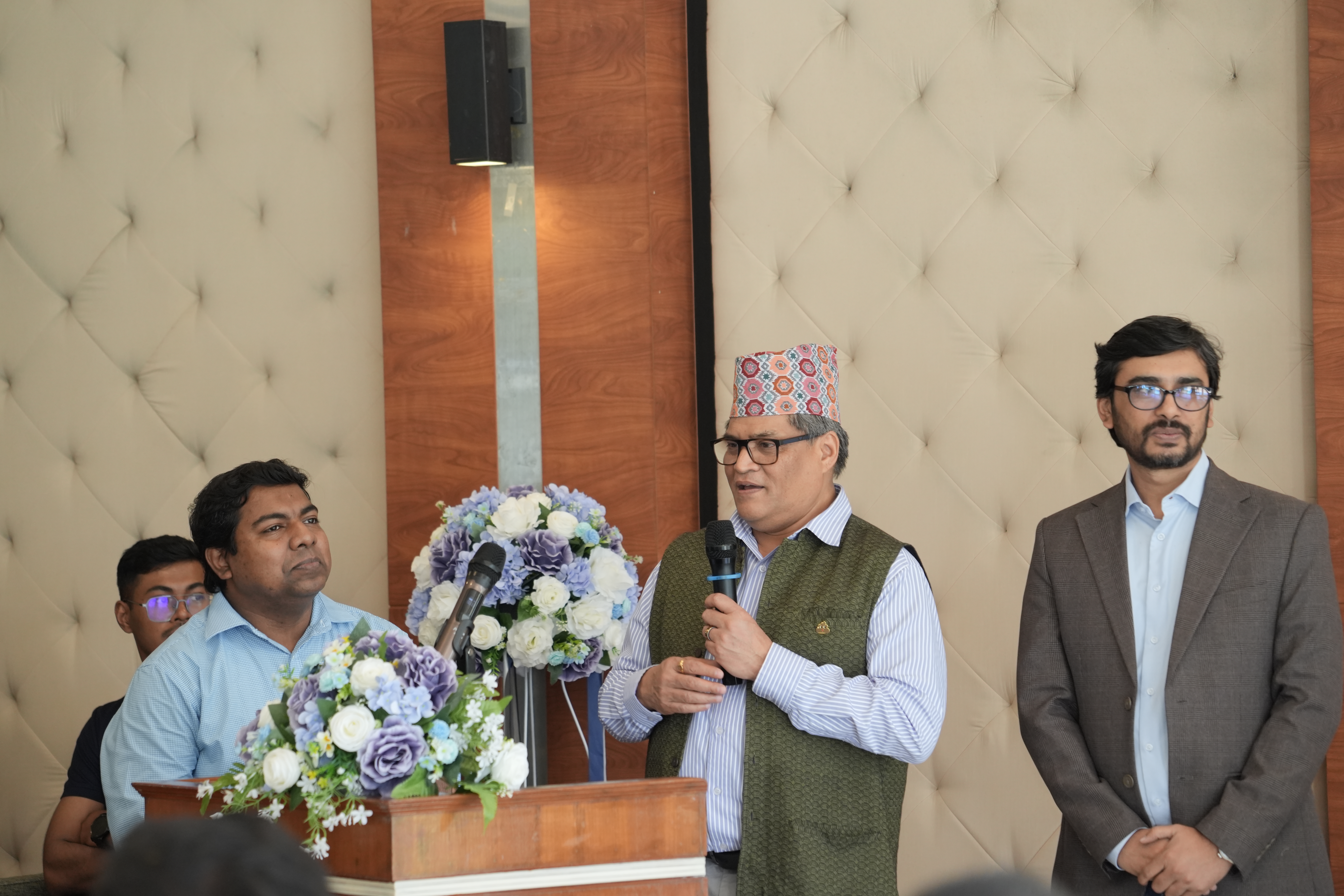
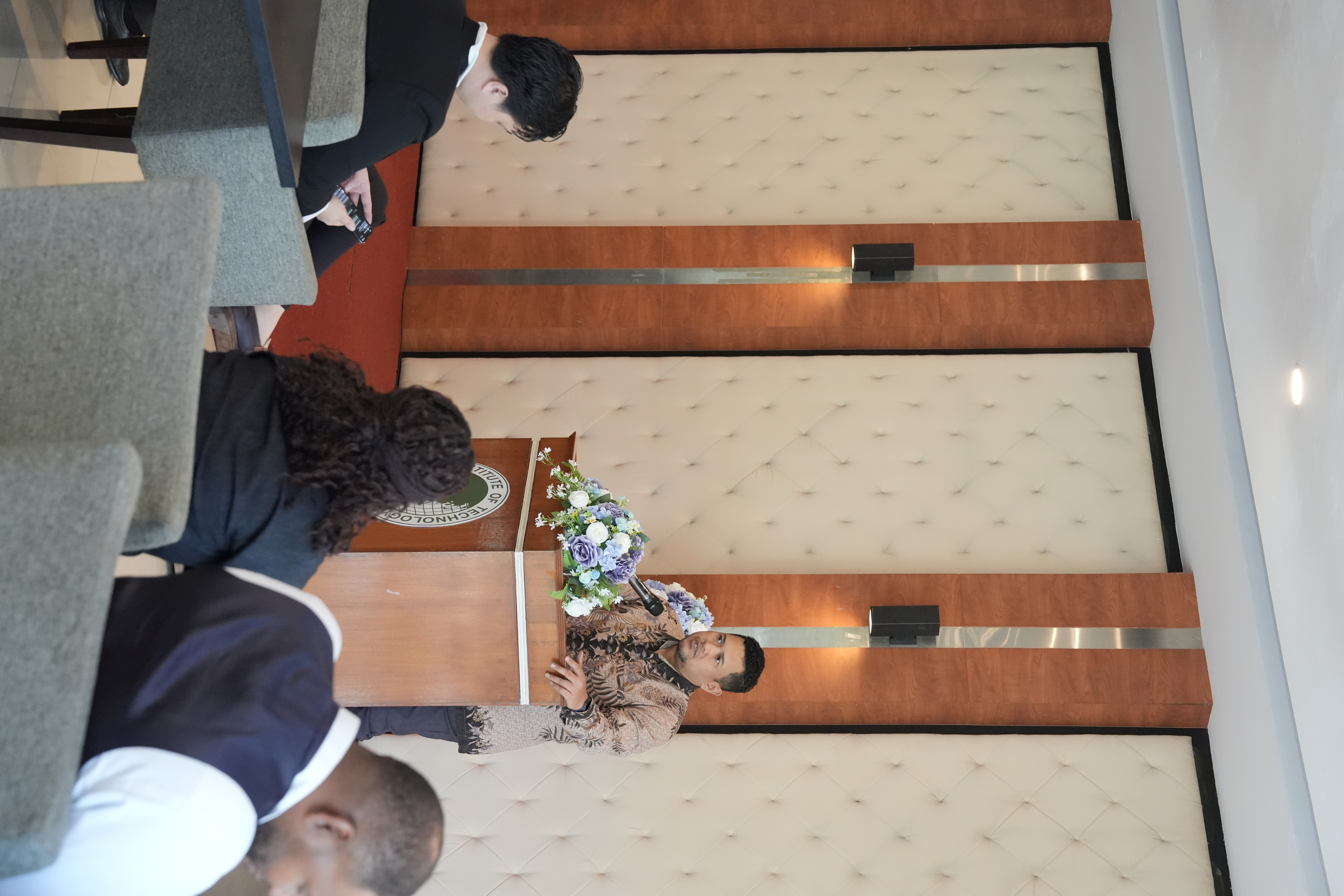
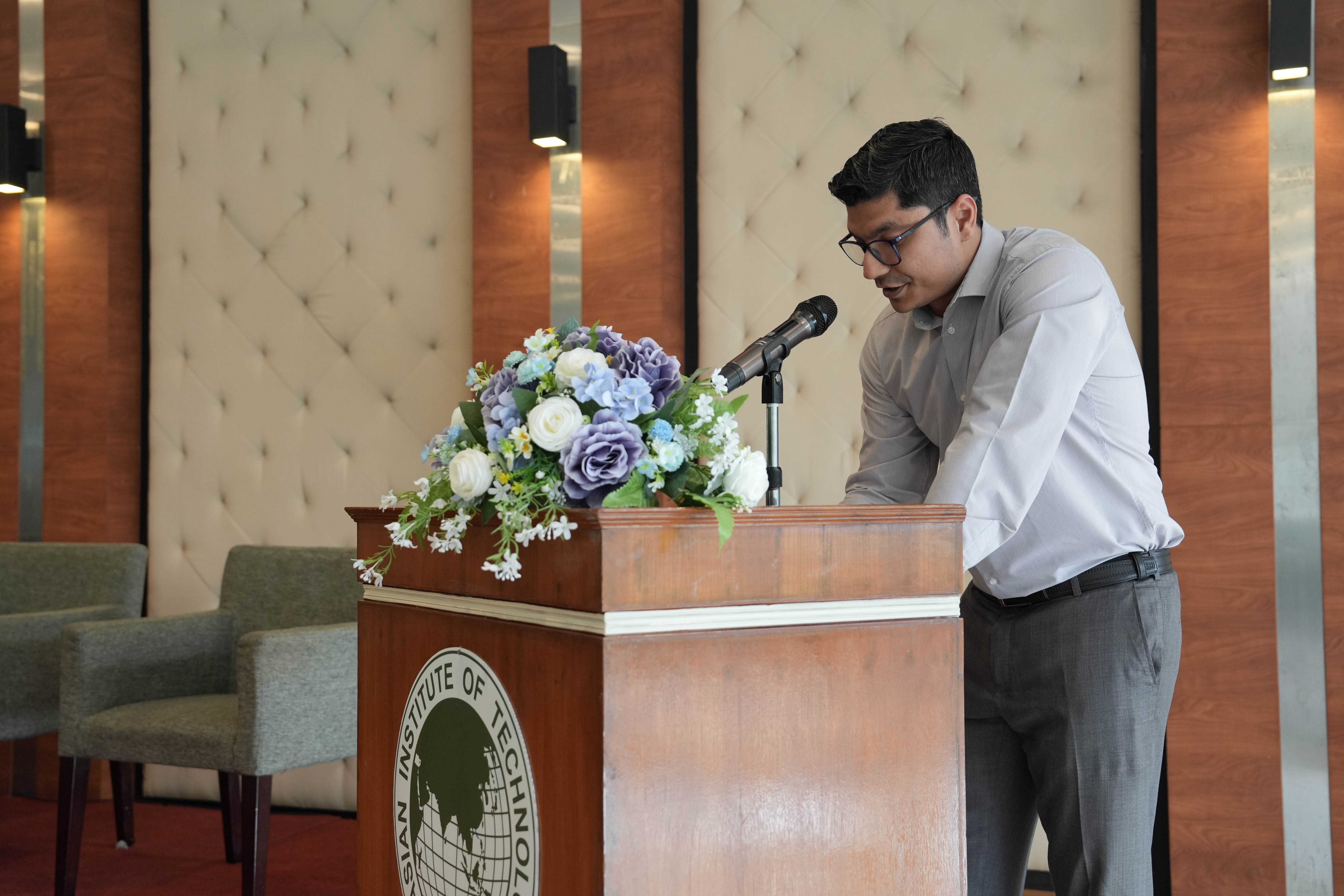
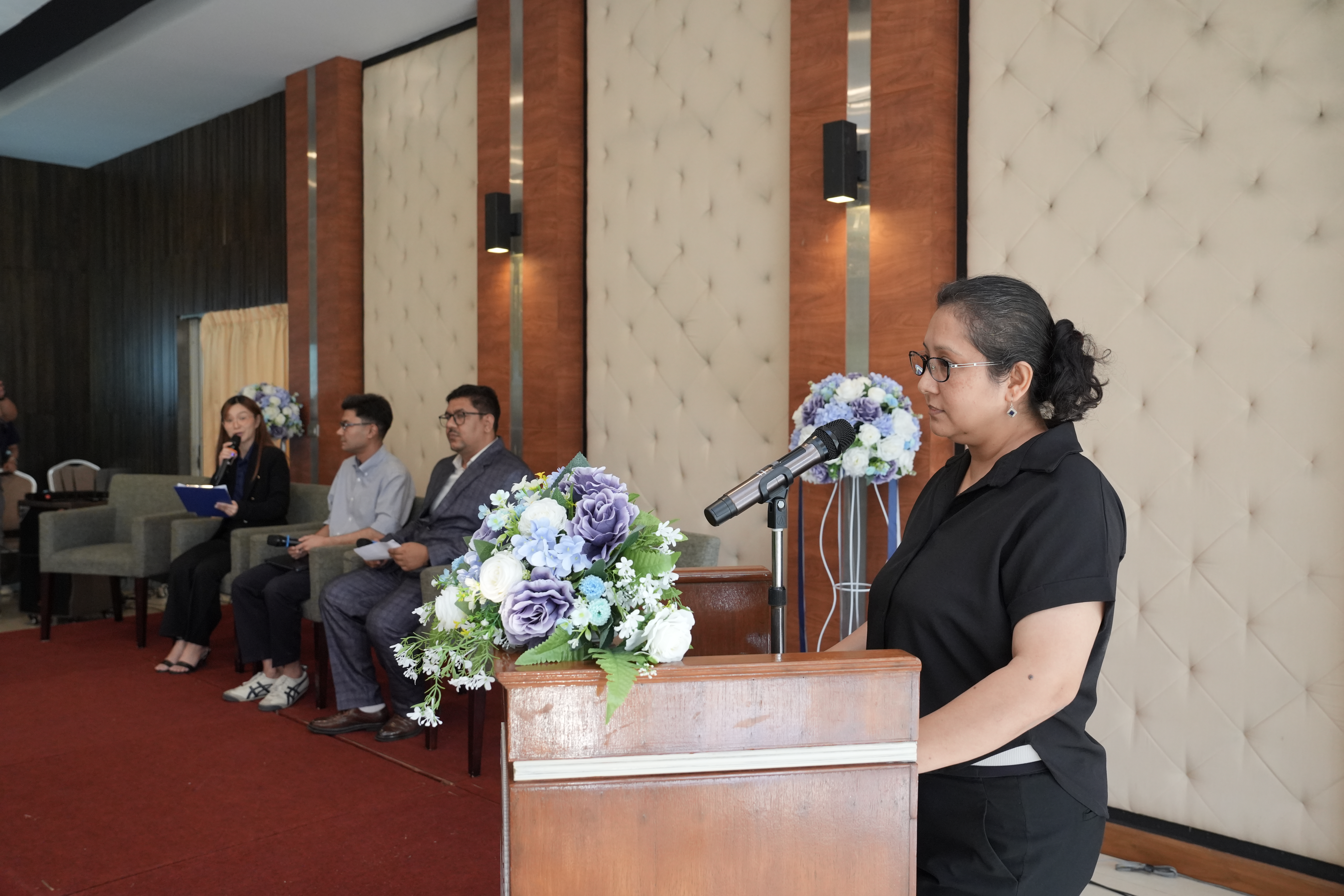
The forum was inaugurated with opening remarks from GWSC Co-Directors Prof. Sangam Shrestha and Prof. Thammarat Koottatep, Prof. Siddharth Jabade (AIT Vice President), and Dr. Roshan Raj Shrestha (Deputy Director, Gates Foundation). Following these insights, Mr. Agus Nugroho (COO, GWSC) provided a strategic overview of the path ahead.

Exploring Three Critical Pathways
The day was structured around three thematic “deep dives,” each addressing a fundamental pillar of modern sanitation:
1. CWIS in Practice
This session focused on frameworks for project lifecycles within City-Wide Inclusive Sanitation (CWIS). Experts from Uganda, Bangladesh, Nepal, and India shared lessons on making sanitation systems work for entire urban populations, ensuring no community is left behind.
2. The Digital Leap
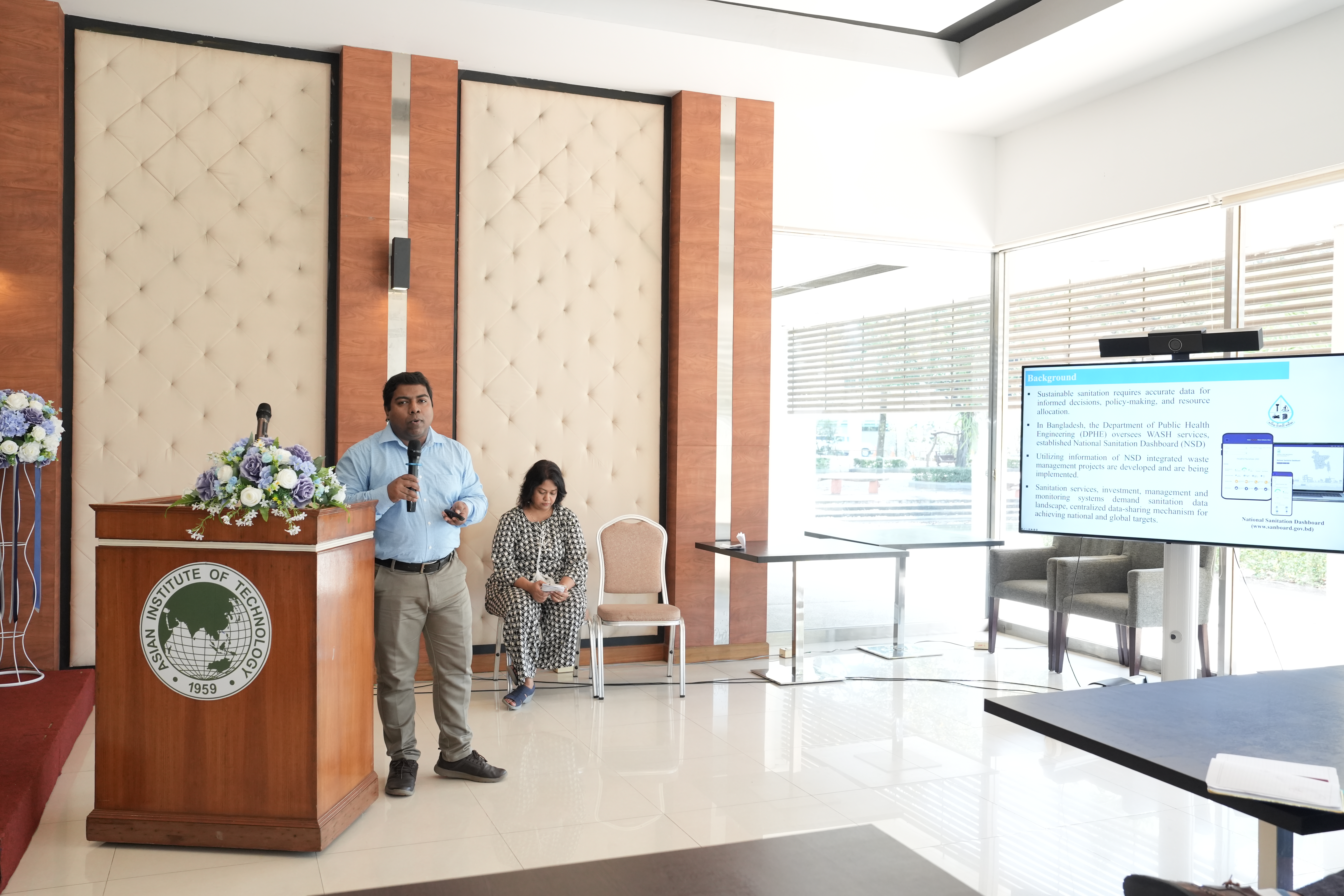
The conversation shifted toward data innovation and the role of Integrated Municipal Information Systems (IMIS). Led by GWSC’s Dr. Sanjiv Neupane and Ms. Makfie Farah, the panel showcased real-world digital applications from municipalities like Mahalaxmi (Nepal) and diverse tech partners.
3. Sanitation Standards
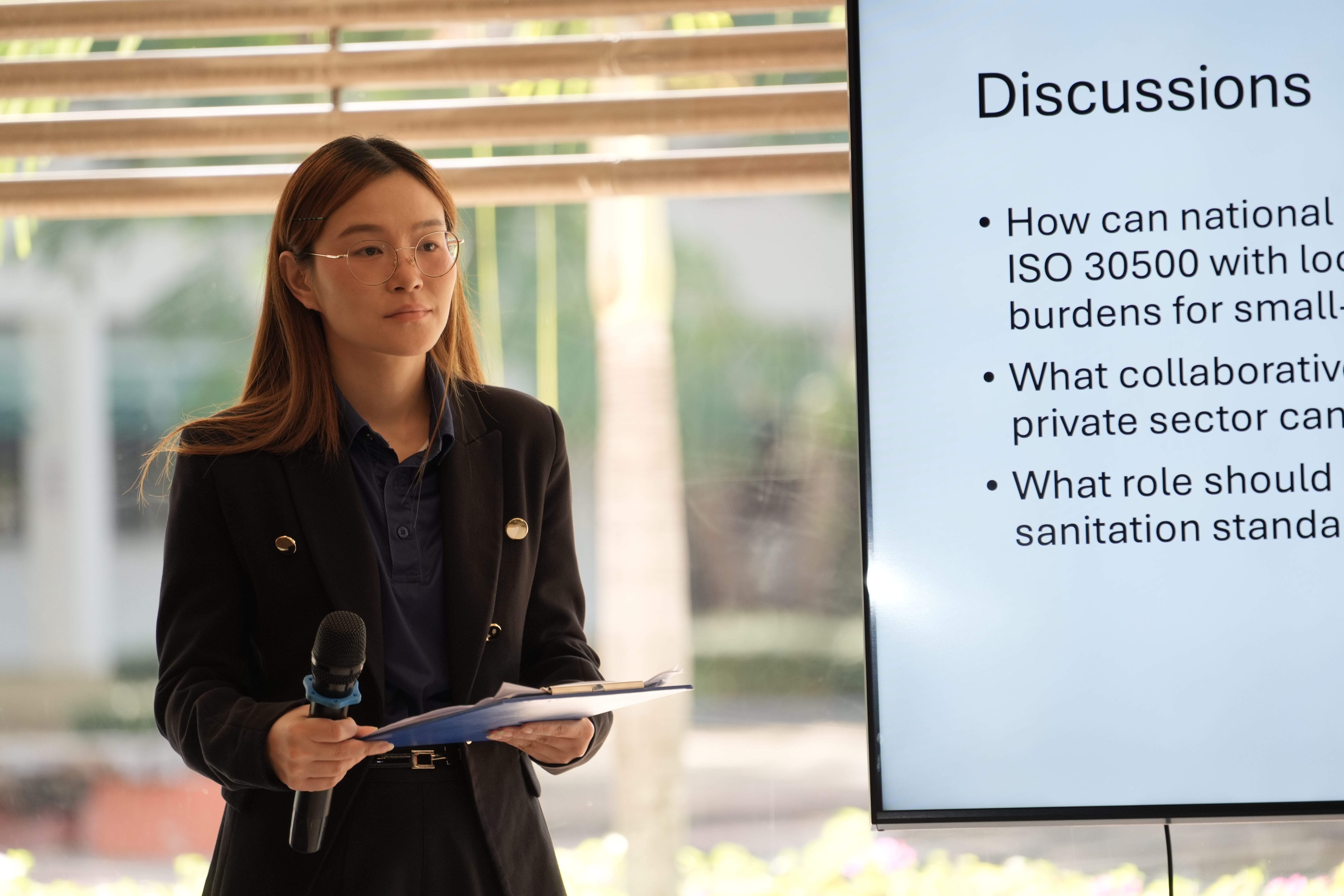
Focusing on quality assurance and technology adoption, this pathway addressed how to adapt global standards (such as ISO 30500 and ISO 31800) to local realities. Discussions centered on the “3A” framework: ensuring solutions are Affordable, Adaptable, and Acceptable.
8 Strategic Action Points for Future Impact
The forum concluded with a commitment to transition from knowledge exchange to concrete implementation. The following eight strategic priorities will guide GWSC and its partners moving forward:
- Scale IMIS Through Strategic Learning: Incorporate data from 50+ municipalities to refine system customization and ensure institutional ownership.
- Strengthen Governance & Data Systems: Provide technical assistance to help governments bridge the gap between sanitation regulations and data-driven decision-making.
- Build Multi-Stakeholder Inclusion: Facilitate deeper partnerships between CSOs, the private sector, and local professionals to represent marginalized groups at every planning stage.
- Support Localized Standards: Help cities implement ISO standards through clear procurement rules and certification systems that remain practical for local contexts.
- Develop Municipal Peer Learning Networks: Create accessible toolkits (model by-laws, monitoring templates) and platforms like APEKSI to help cities translate standards into “quick wins.”
- Advance Data-Driven Planning: Support master planning that integrates climate risks, infrastructure gaps, and community data.
- Establish Knowledge Repositories: Maintain a robust, accessible library of lessons learned from both successes and failures across the region.
- Integrate Cross-Cutting Priorities: Embed Gender, Disability, and Social Inclusion (GEDSI) across all technical assistance, financing mechanisms, and capacity-building activities.

The GWSC Partnership Platform: A Strategic Hub
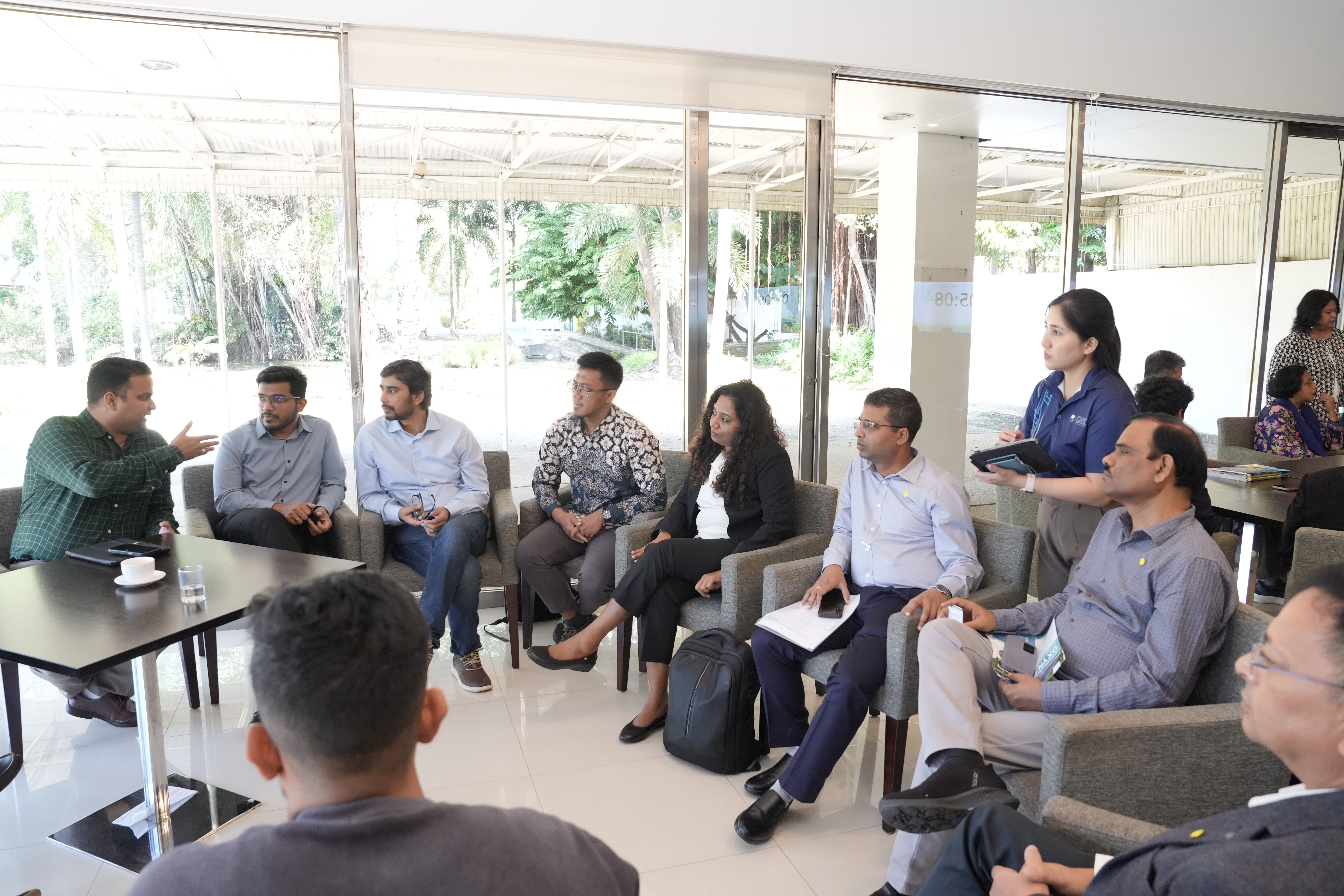
A core focus of the forum was the introduction and refinement of the GWSC Partnership Platform. As a central “touchpoint,” the GWSC connects governments, Development Financial Institutions (DFIs), and private partners to streamline the identification of project needs and expertise.
- Regional Connectivity: GWSC has already established a critical mass of partnerships across 16 countries in Asia, offering a vast repository of localized expertise.
- Institutional Integrity: As part of the Asian Institute of Technology (AIT), GWSC operates with academic independence and transparency, fostering trust among international stakeholders.
- Operational Agility: The platform allows for the fast mobilization of pre-vetted expertise, offering a streamlined alternative to the lengthier procurement processes often found in larger global institutions.
Looking Ahead
The momentum generated at the AIT Conference Center carried forward into the IWA Water and Development Congress & Exhibition, where partners hosted workshops and exhibitions that further solidified the GWSC Partnership Platform.
As we move into the new year of 2026, the GWSC remains dedicated to ensuring that the pathways identified during the forum lead to sustainable, climate-resilient, and inclusive water and sanitation for all.