

The Global Sanitation Graduate School Regional Hub South and Southeast Asia (GSGS RH SSEA), hosted at the Global Water & Sanitation Center, Asian Institute of Technology (AIT), convened a high-level session on Advancing Water, Sanitation, and Hygiene (WASH) education and through the Global Sanitation Graduate School during the IWA Water Safety Conference & Exhibition 2026 (23-25 March 2026), Sri Lanka.
Bringing together academic leaders, sector professionals, and institutional partners, the session provided a timely platform to reflect on the growing urgency of strengthening human resource capacity in the WASH sector. With the world currently off-track to achieve Sustainable Development Goal 6 (SDG 6), discussions underscored the need for transformative approaches to education, training, and cross-sector collaboration.
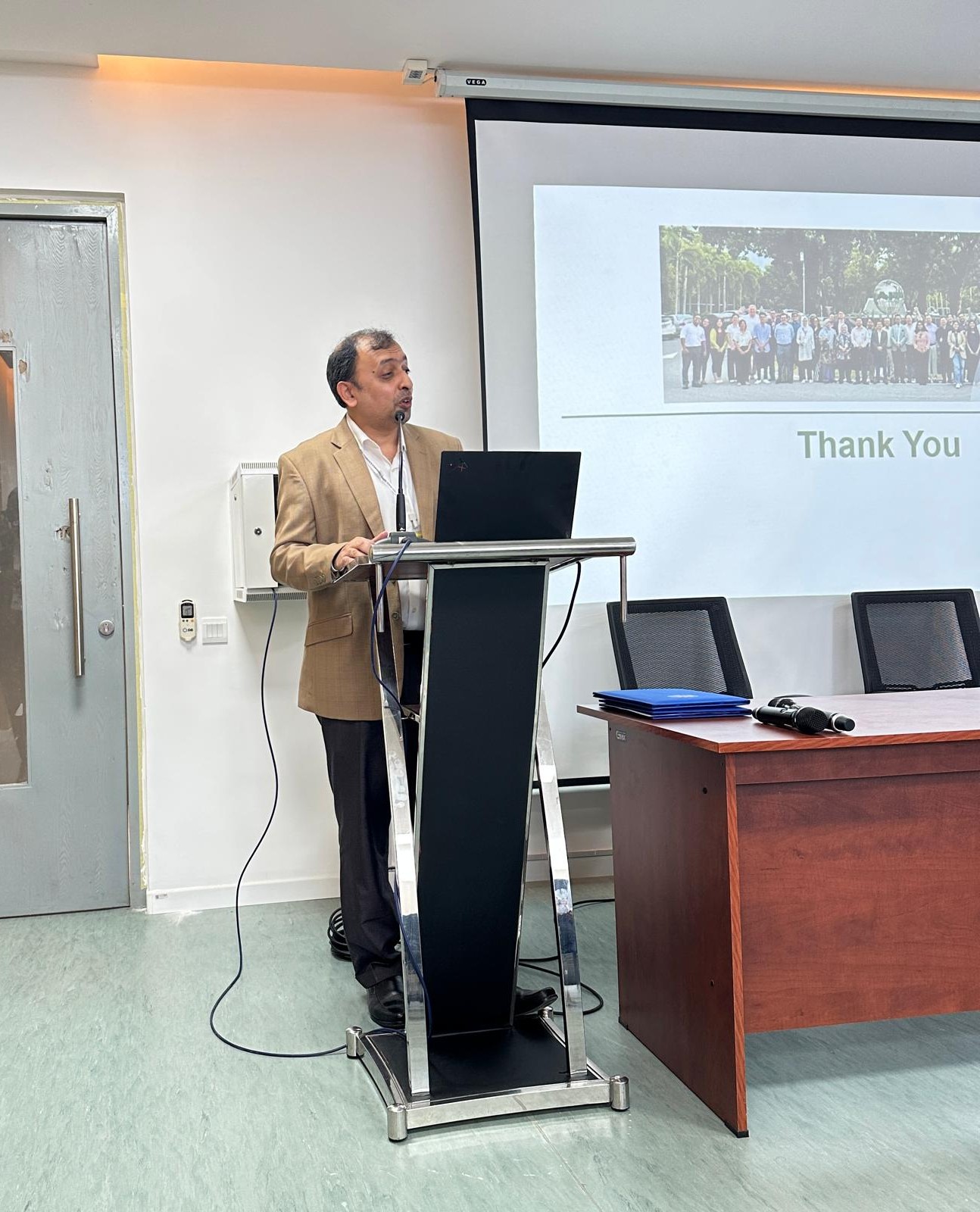
The session opened with a keynote address by Prof. Tanvir Ahmed, Regional Director of GSGS RH SSEA. He emphasized that capacity development must go beyond conventional training to encompass human resource development, institutional strengthening, research and innovation, and sustainable resourcing. Drawing on recent global assessments, he highlighted that while many countries offer WASH-related education, a significant gap persists in producing sufficiently skilled professionals to meet sector demands. He further noted that addressing complex challenges such as rapid urbanization, climate change, and inequitable access to sanitation requires a new generation of interdisciplinary and practice-oriented professionals.
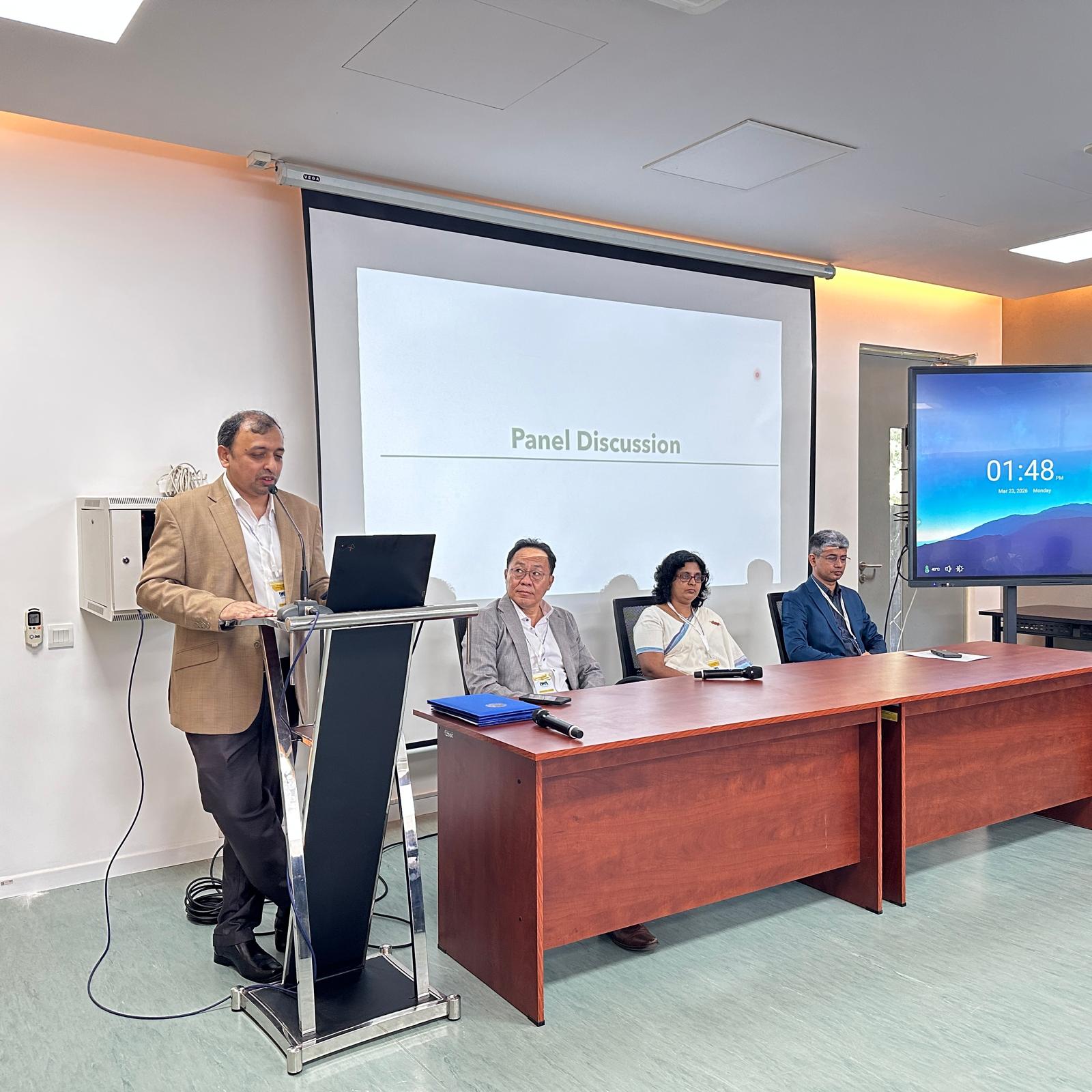
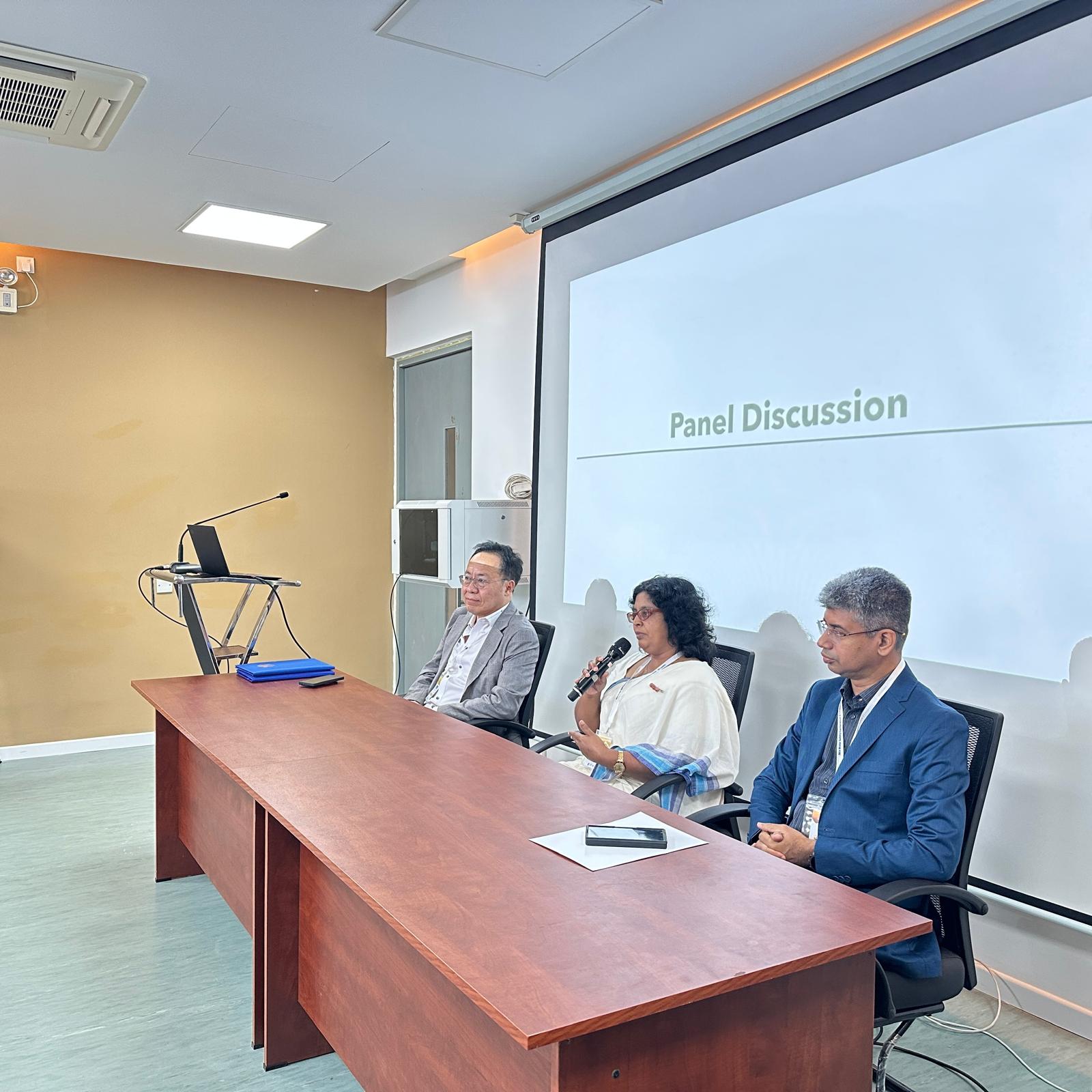
Panel Discussion
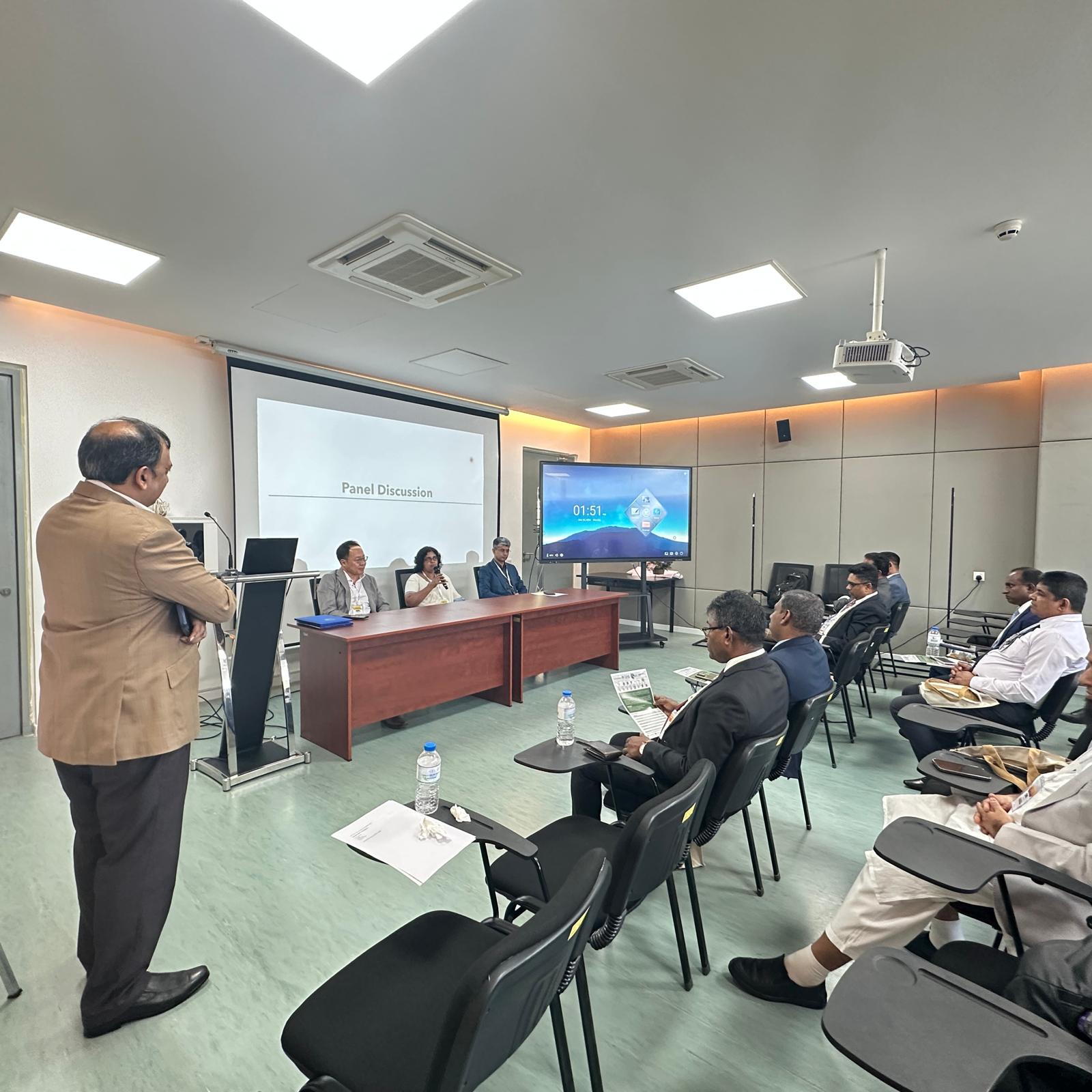
The session further featured a dynamic panel discussion moderated by Prof. Tanvir Ahmed, with contributions from leading experts including Prof. Thammarat Koottatep, Professor at the Environmental Engineering and Management, AIT and Co-Director at the GWSC, Prof. Nadeeshani Nanayakkara, Professor at the University of Peradeniya, and Mr. Alauddin Ahmed, Project Manager at the ITN BUET.
The panel explored critical systemic gaps in current environmental engineering and WASH-related curricula. A key theme that emerged was the limited integration of emerging priorities such as non-sewered sanitation, faecal sludge management, decentralized wastewater treatment systems, and climate resilience into traditional academic programs. Panellists highlighted that many curricula remain heavily theoretical and infrastructure focused, often lacking the interdisciplinary, practical, and service-oriented perspectives required to address real-world sanitation challenges.
Discussions also emphasized the importance of embedding Citywide Inclusive Sanitation (CWIS) principles into academic programs, ensuring that future professionals are equipped to design inclusive, equitable, and sustainable sanitation systems. Panellists noted that strengthening experiential learning through field-based training, applied research, and industry collaboration is essential to bridging the gap between academic knowledge and practical implementation.
In reflecting on institutional capacity, the panel acknowledged both opportunities and challenges. While there is increasing demand for specialized WASH education particularly at the postgraduate level many universities in the region face constraints in terms of faculty expertise, updated teaching materials, and access to practical training platforms. Addressing these gaps will require targeted investments in faculty development, curriculum modernization, and regional collaboration.
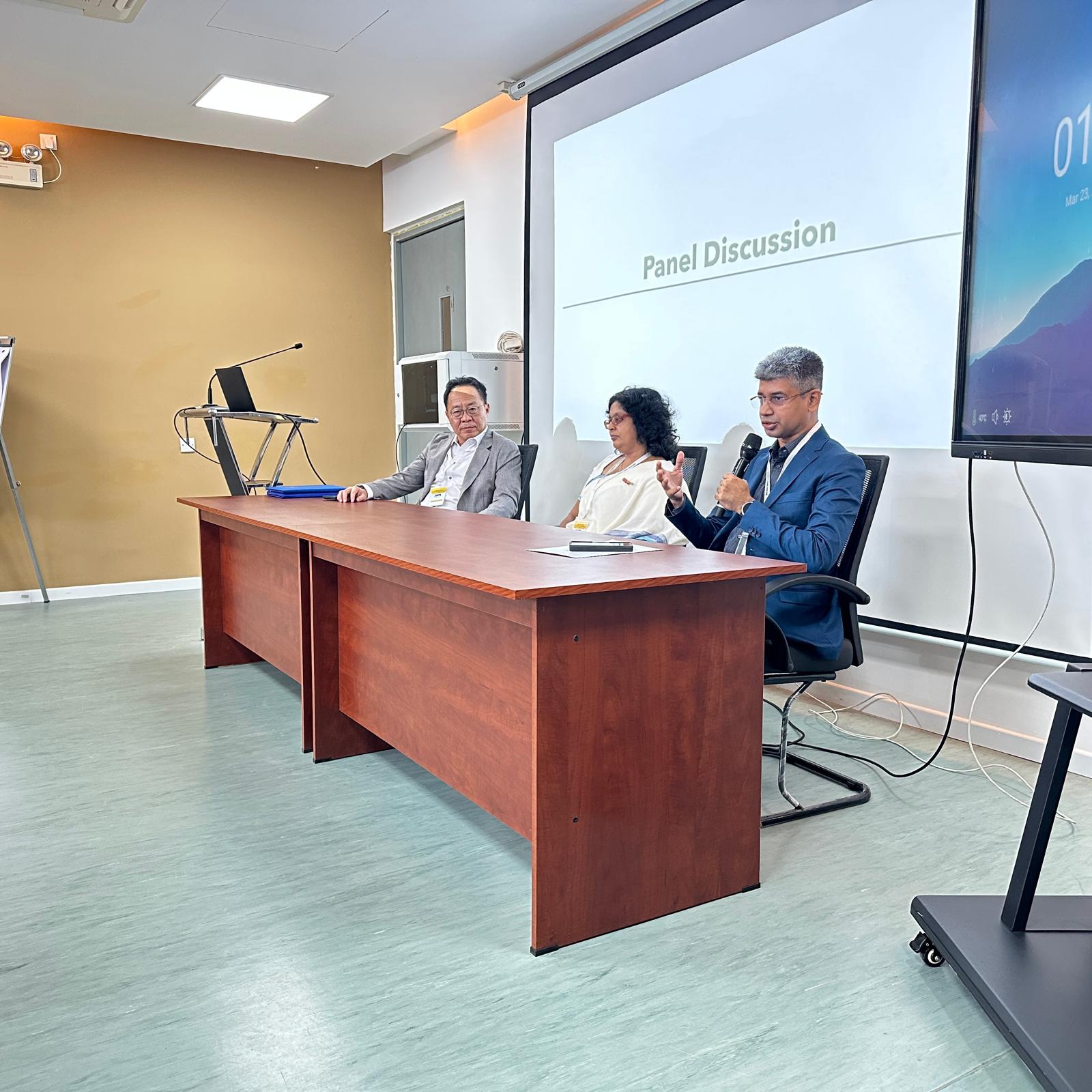
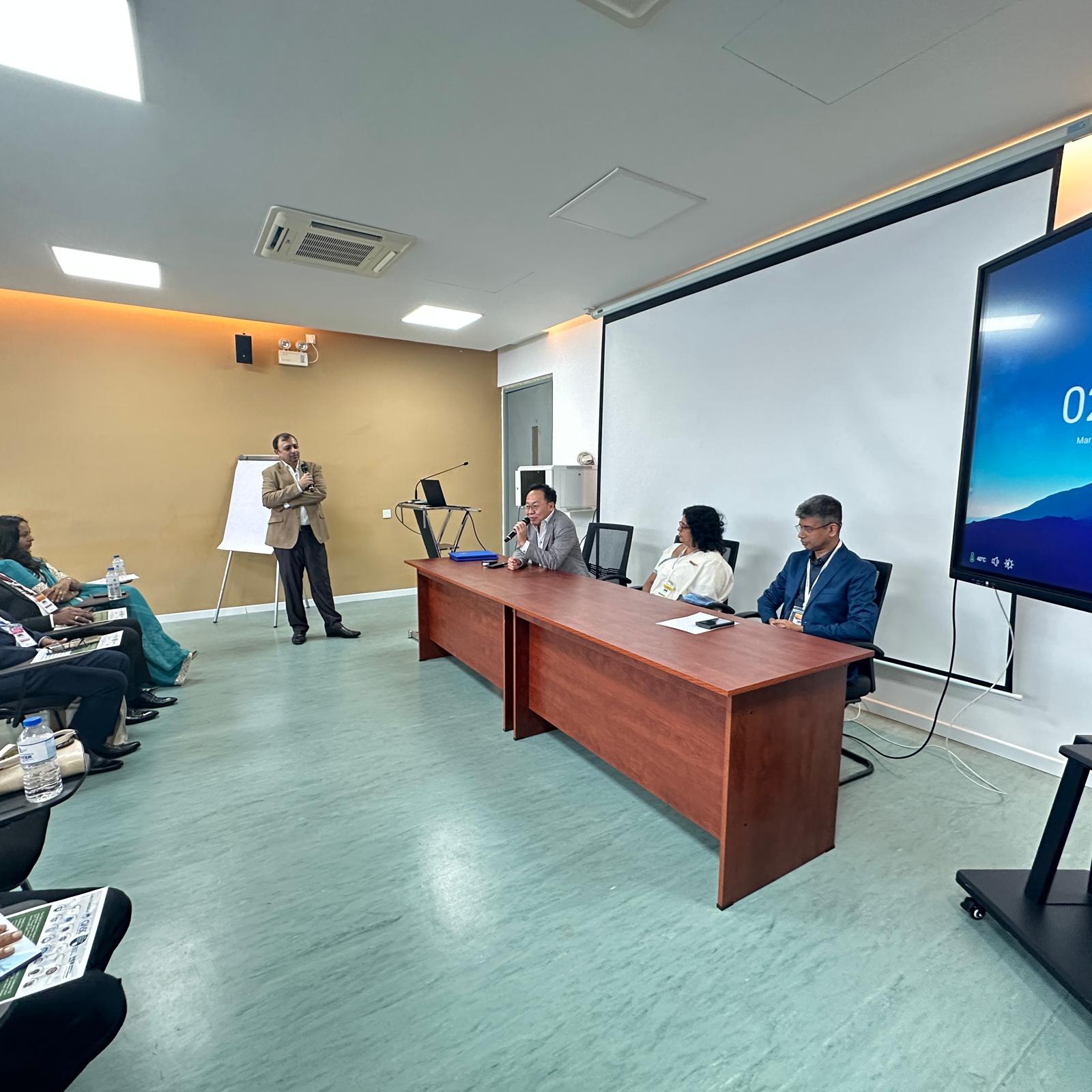
The discussion also highlighted the growing role of the GSGS as a global platform for advancing sanitation education. Through its network of partner universities, GSGS has been expanding access to high-quality, practice-oriented programs, including Master’s degrees, diploma courses, and short-term professional training. Panellists emphasized that scaling the impact of GSGS will depend on strengthening regional hubs, fostering partnerships beyond academia, and enhancing engagement with governments, utilities, and development partners.
The session concluded with a strong call to action for coordinated efforts to build a resilient and future-ready WASH workforce. Participants underscored the need to prioritize curriculum reform, promote interdisciplinary learning, and leverage regional platforms such as GSGS to accelerate knowledge exchange and innovation.
As the WASH sector continues to confront complex and interconnected challenges, initiatives like the GSGS RH SSEA play a critical role in shaping the next generation of professionals and advancing sustainable, inclusive sanitation solutions across the region.
Learn about GSGS at: https://gsgs.network/regional-hubs/south-and-southeast-asia/