

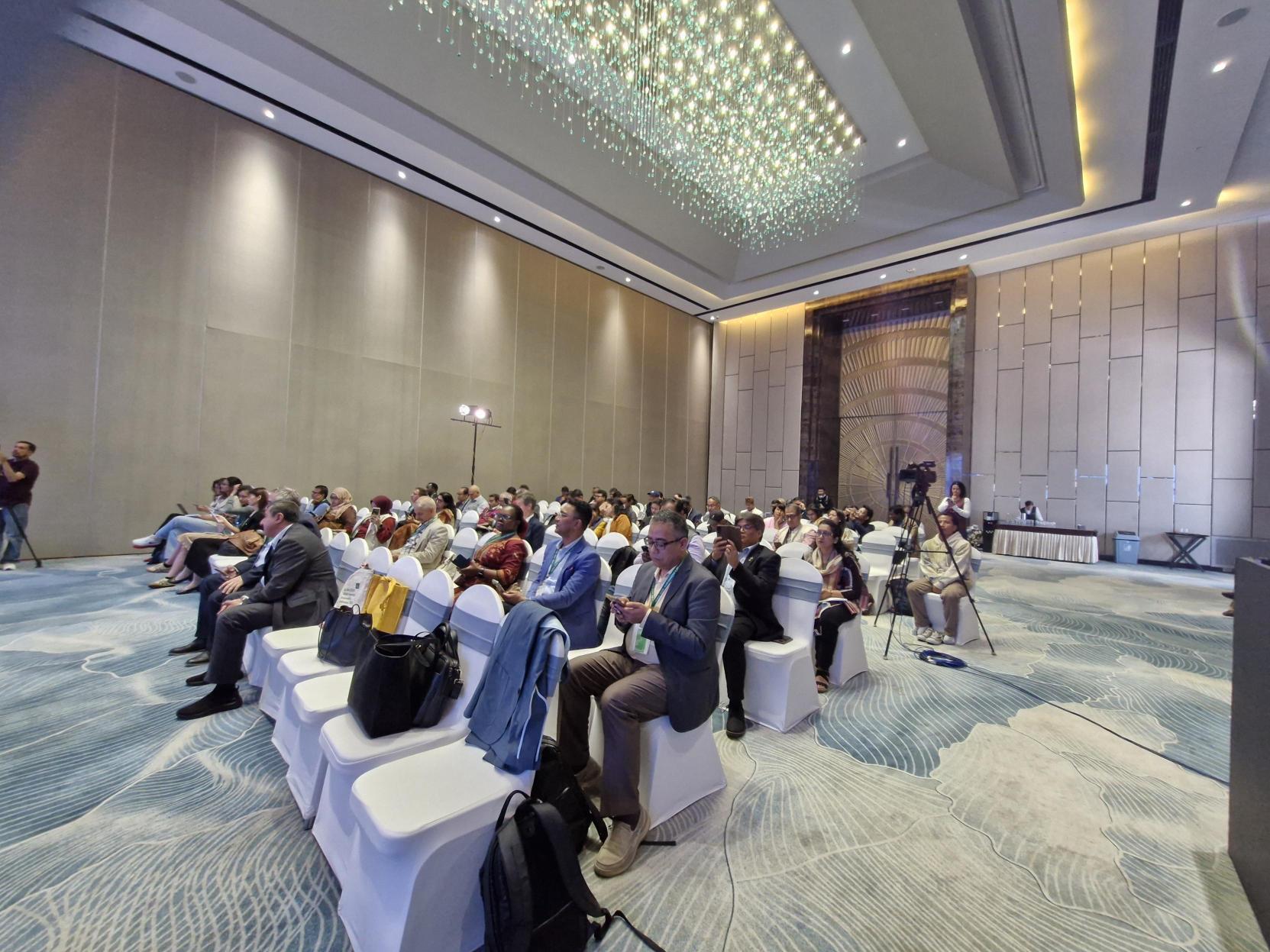
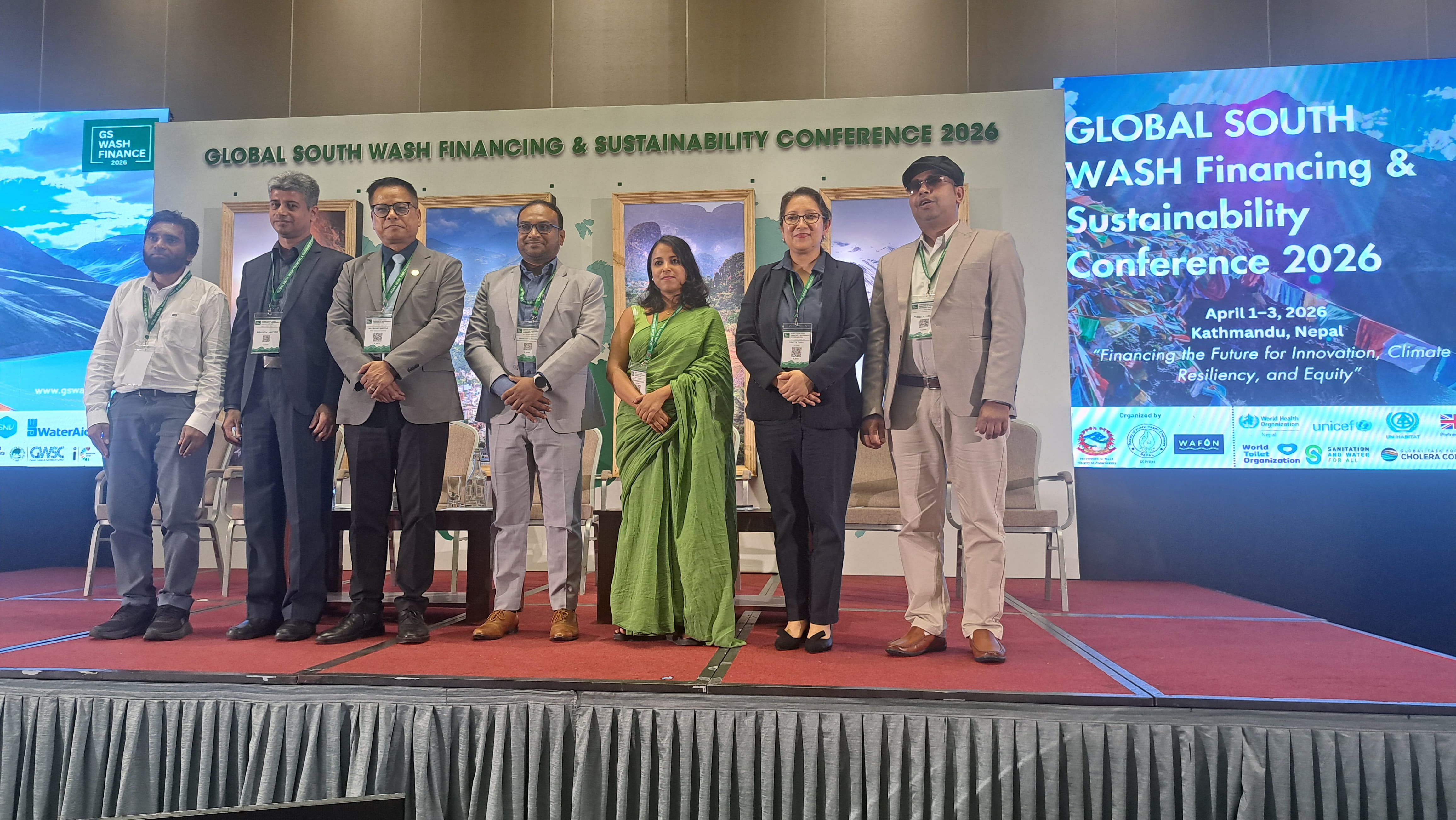
The Plaza Convention Center in Kathmandu, Nepal became the meeting point for one of the most critical conversations in the WASH sector this April. The Global South WASH Financing & Sustainability Conference 2026, held from April 1–3 under the theme “Financing the Future for Innovation, Climate Resiliency, and Equity,” brought together government leaders, development partners, academics, and practitioners from across the region to confront an urgent reality: the $140 billion annual financing gap for WASH is not simply a resource problem, it is a governance and systems problem.
The Global Water & Sanitation Center (GWSC) at the Asian Institute of Technology (AIT) was proud to play a central role across the three days of the conference, organizing dedicated sessions, contributing to panel discussions, and sharing research-backed insights on what it will truly take to make sanitation services financially sustainable, inclusive, and lasting.
Day 1 | Cities Financing Sanitation from Within: Practical Realities
GWSC opened its conference engagement on April 1 with a hands-on workshop tackling one of the sector’s most persistent frustrations: why do sanitation financing plans exist on paper but so rarely translate into functioning systems?
The session challenged participants with three grounding questions at the outset: Why are FSM systems financially fragile? Why are sanitation systems not sustained? If donor funding stops tomorrow, what will happen?
Mrs. Isha Basyal, Deputy COO of GWSC, anchored the session with a financial analysis of city sanitation realities, presenting city profiles, cost recovery gaps, and what a sustainability lens with inclusion actually looks like in practice. Her core argument was clear: the technical knowledge already exists — the real challenge is “know-how-to-implement.” By combining innovative financing with embedded technical support and data-led planning, sanitation can become a bankable, sustainable, and inclusive public service even for the last mile.
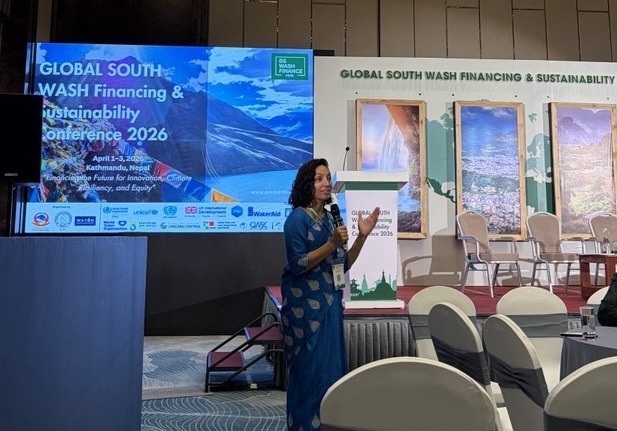
The session then moved into thematic debates across four tables, each led by an expert moderator:
- Enabling Environment — examining what realistically hinders municipalities and what can change in 12 months versus the longer term
- Data and Digital Systems — exploring how tools like SanOps improve financial decision-making and transparency
- Institutional Capacity — diagnosing where cities lack the most support and what is trainable versus structural
- Inclusion and GEDSI — interrogating which financing decisions unintentionally exclude people and service providers, and how equity can be built into cost recovery mechanisms
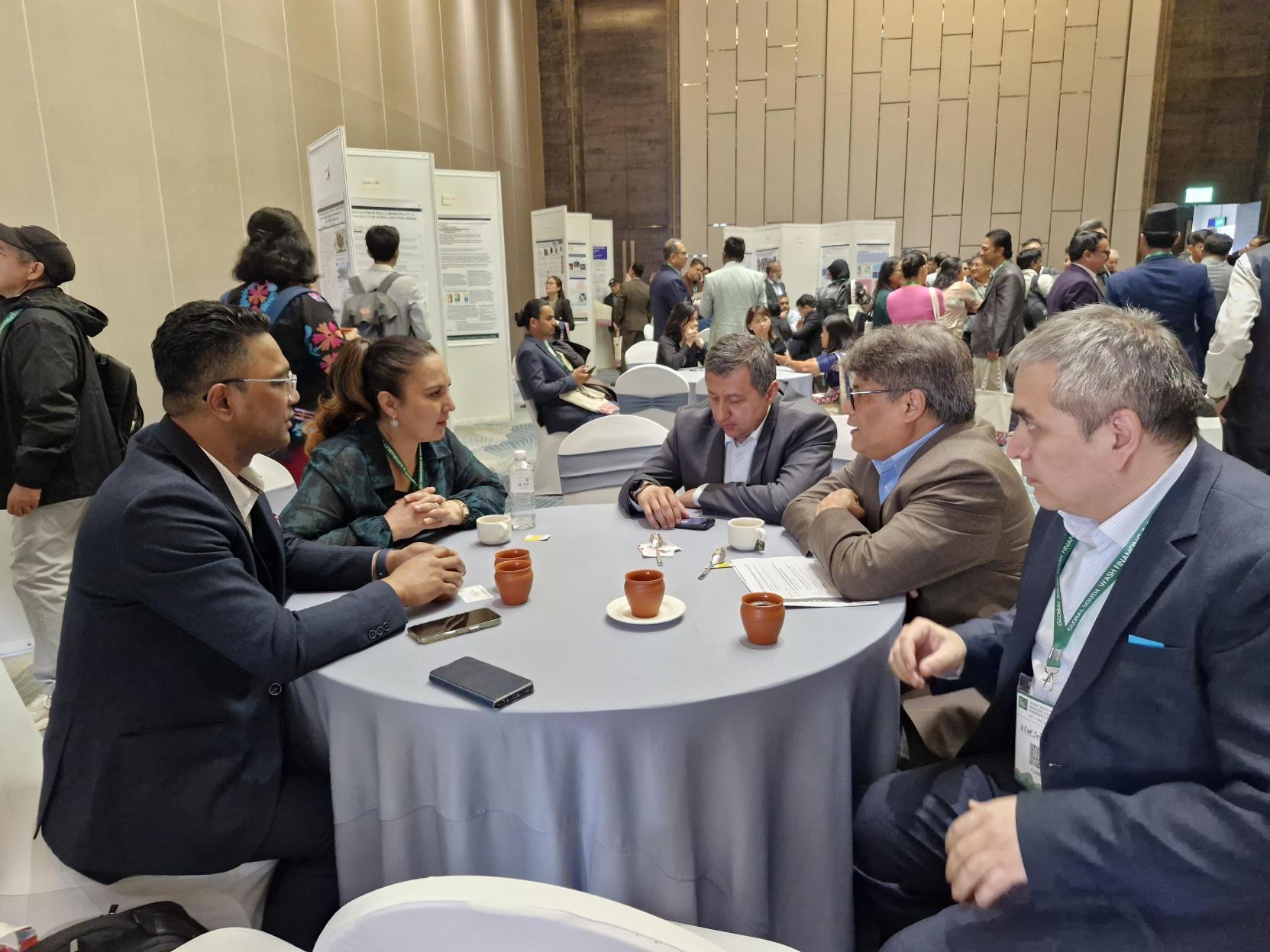
The workshop closed with each table presenting solution pathways, weaving together the systemic, technical, and human dimensions of city-led sanitation financing.
Day 2 | Climate Financing: Mobilizing Resources for Resilient and Equitable WASH
On April 2, Prof. Sangam Shrestha, Co-Director of GWSC, took part in the session on climate financing — a conversation growing more urgent as climate shocks increasingly threaten water security and sanitation infrastructure across the Global South.
Prof. Sangam has consistently emphasized that finance is only as powerful as the evidence and planning behind it: “Our mission is to ensure that every dollar invested in sanitation is backed by solid evidence and data.” In the climate finance context, this means ensuring that innovative instruments and blended approaches are matched with the data systems and technical capacity needed to direct resources toward the communities most exposed to climate risk.
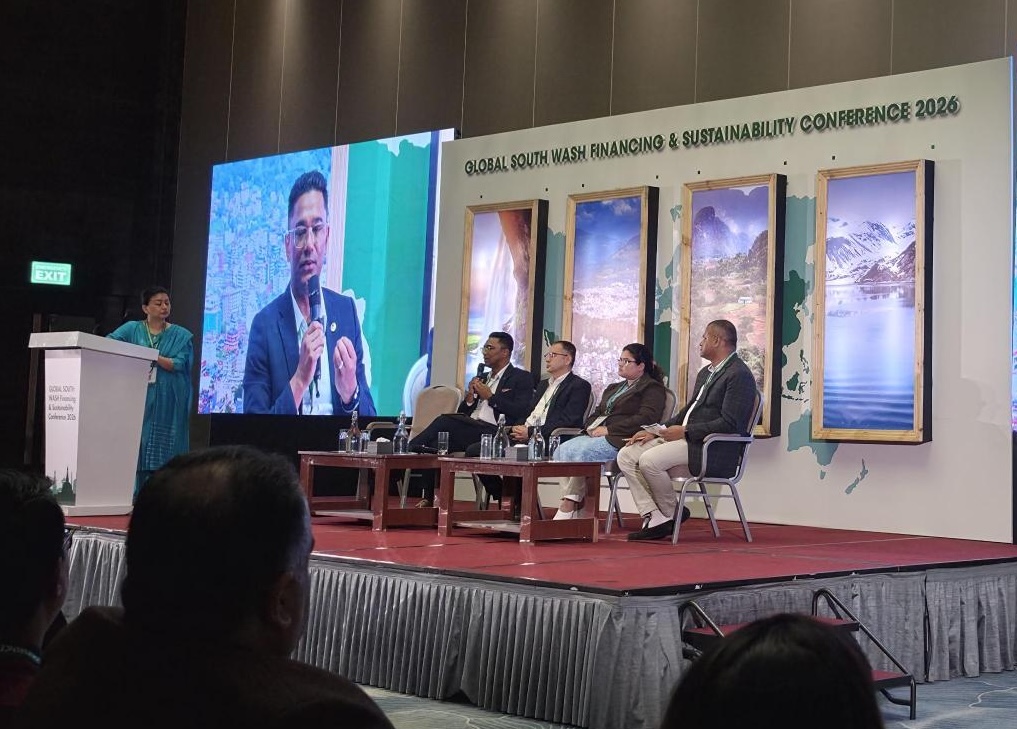
Earlier that day, Mrs. Isha Basyal also presented a cost-benefit analysis of sewered and non-sewered sanitation interventions in Mahalaxmi Municipality, Nepal — a concrete, evidence-based contribution to the broader discussion on where and how investment decisions must be made.
Dr. Vineeta Thapa, GEDSI Lead at GWSC, made a significant contribution across two conference moments. In her oral presentation, she reframed the GEDSI funding conversation entirely: the problem is not a lack of money or political commitment, it is that GEDSI is simply not embedded in the financing systems that govern budgets, procurement, and resource allocation. Current structures systematically exclude inclusive outcomes through biased eligibility rules, the over-prioritization of infrastructure over services, and reliance on market-driven private capital that cannot guarantee equity or accountability. Her prescription was institutional reform, ring-fenced budgets, inclusive procurement, and accountability mechanisms — so that inclusion becomes a built-in outcome of how finance works, not an optional add-on layered on afterward.
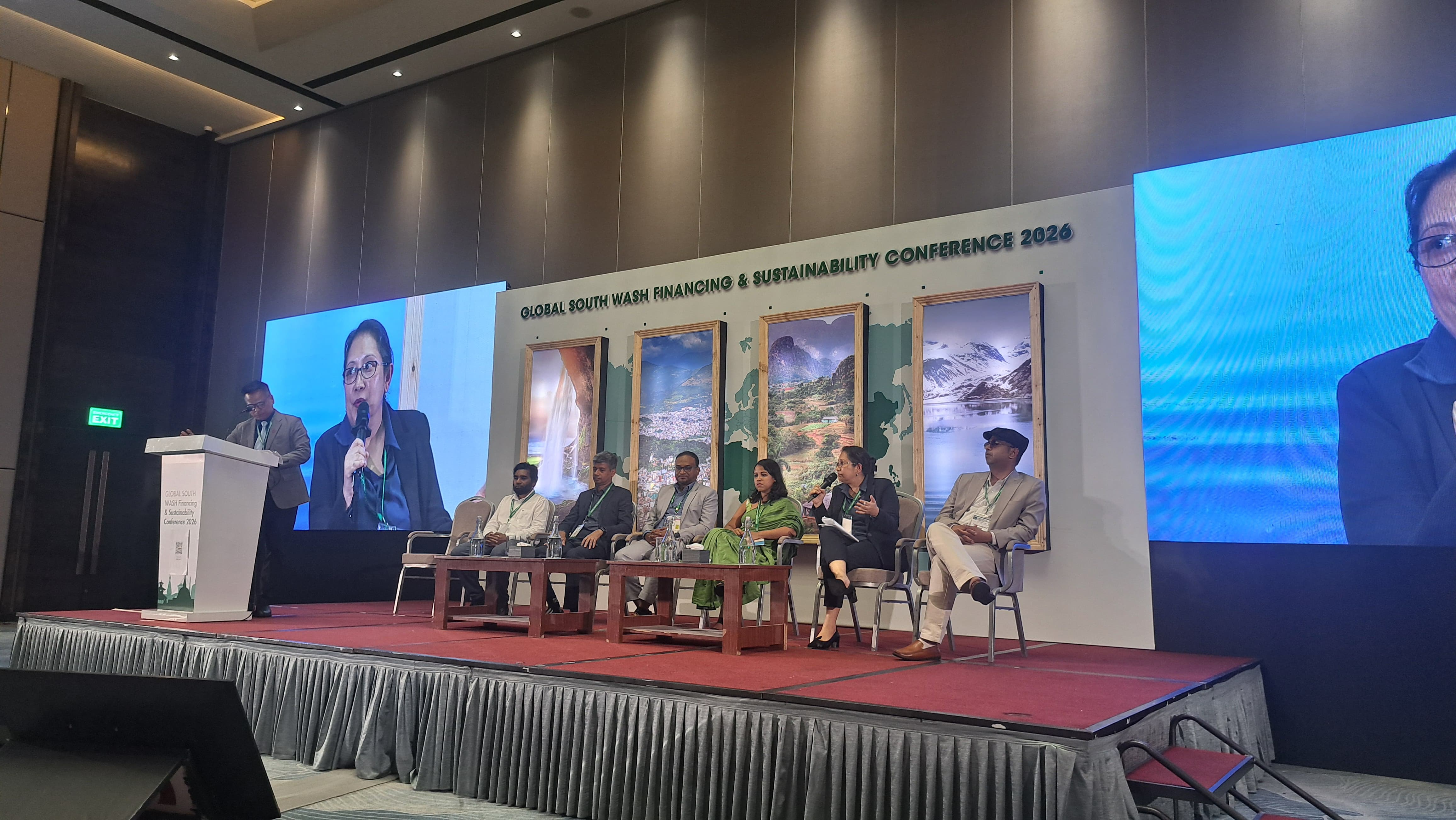
In the Beyond Infrastructure workshop co-organized with UN-Habitat Nepal on Day 3, Dr. Vineeta reinforced this argument at the table level, emphasizing that sanitation financing systems often embed exclusion precisely because GEDSI is absent from planning, budgeting, procurement, and data systems. A key takeaway from that discussion: reforming existing system rules — on procurement, transparency, decentralization, and targeted budgeting — can achieve inclusion without waiting for additional funding. And critically, financing decisions are never neutral. They directly shape who benefits and who is left behind.
Day 3 | Beyond Infrastructure: Financing Governance for Inclusive Sanitation
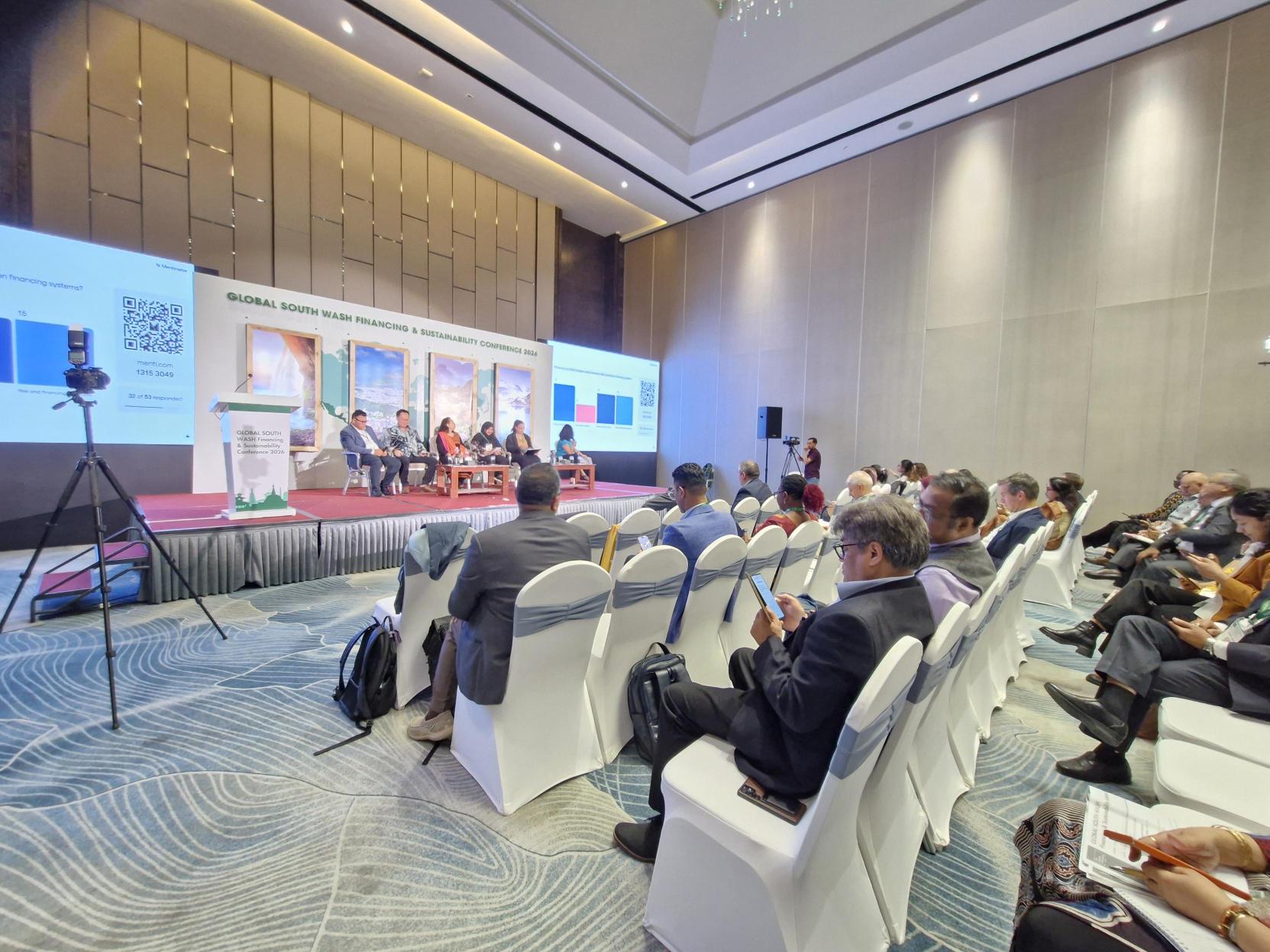
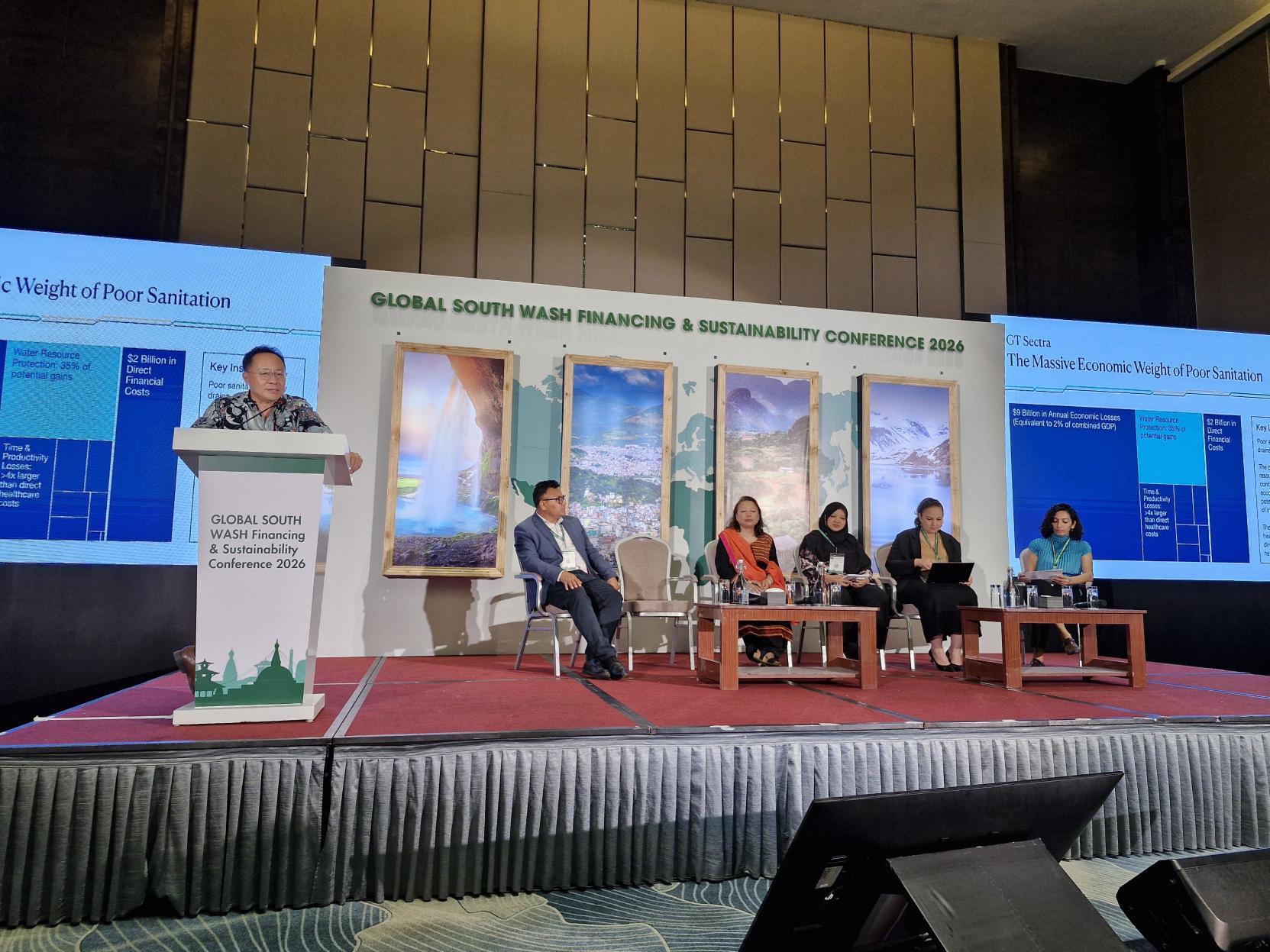
The final day brought the conference’s most structurally significant session, co-organized by GWSC and UN-Habitat Nepal (CWISAN Secretariat). Titled “Beyond Infrastructure: Financing Governance for Inclusive Sanitation Services,” the session delivered a decisive reframe: the barriers to inclusive sanitation are not primarily about how much money is available, but about how financing decisions are made.
The discussion was anchored in the Citywide Inclusive Sanitation (CWIS) approach, with participants examining four structural distortions at the heart of current financing systems — infrastructure bias, unfunded decentralization, exclusionary procurement, and constrained access for underserved populations. Critical elements of inclusive sanitation — operation and maintenance, sanitation worker safety, menstrual hygiene management, accessibility for persons with disabilities, and participation of women-led and small-scale enterprises — remain inadequately financed or excluded from formal budgetary and procurement processes altogether.
Prof. Thammarat Koottatep, Co-Director of GWSC, delivered the session keynote, presenting The Sanitation Economic Pipeline and reframing sanitation finance as an integrated system of incentives, risk allocation, and evidence-based investment. His argument was direct: financing decisions shape outcomes by defining what public systems reward — whether investment favors one-time infrastructure outputs or sustained service delivery, whether markets remain accessible to inclusive enterprises, and whether underserved populations are genuinely prioritized. Without realigning these incentives, he cautioned, CWIS commitments are unlikely to achieve scale or durability.
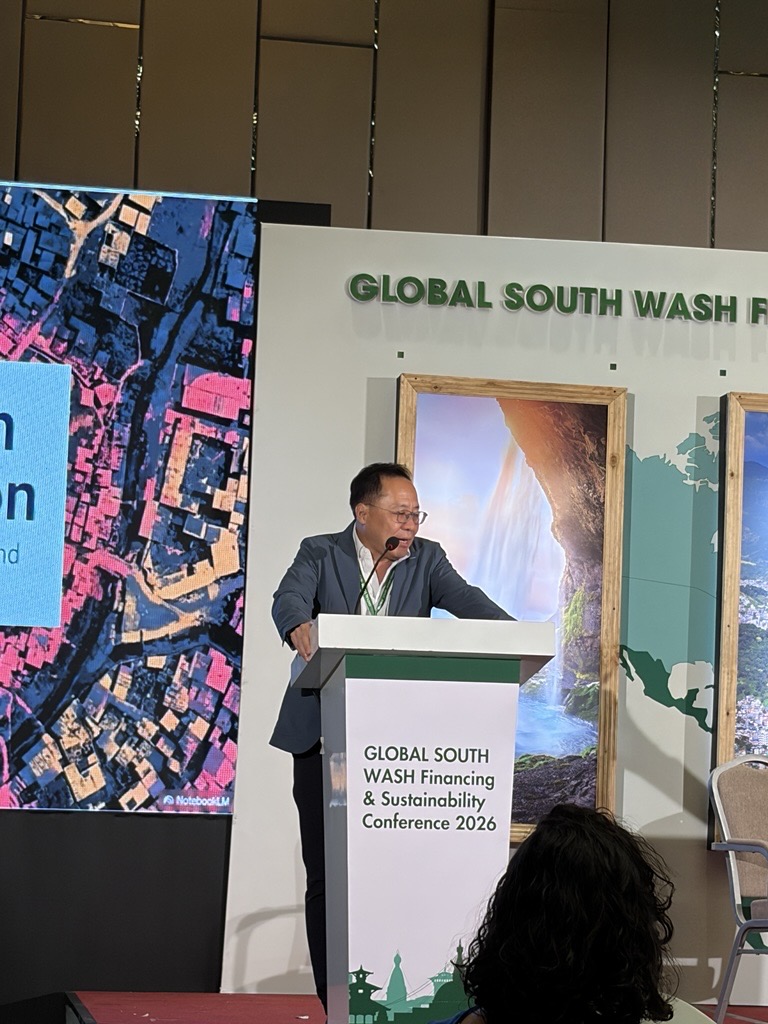
The session was chaired by Mr. Ashok Kumar Byanju Shrestha, Immediate Past President of UCLG ASPAC and the Municipal Association of Nepal (MuAN), who brought the political dimension sharply into focus. He stressed that inclusive sanitation is ultimately a political choice — one that requires governments to confront real fiscal trade-offs rather than defer to technical solutions — and that sanitation must be embedded within municipal budgeting, accountability, and decision-making as a long-term public service responsibility.
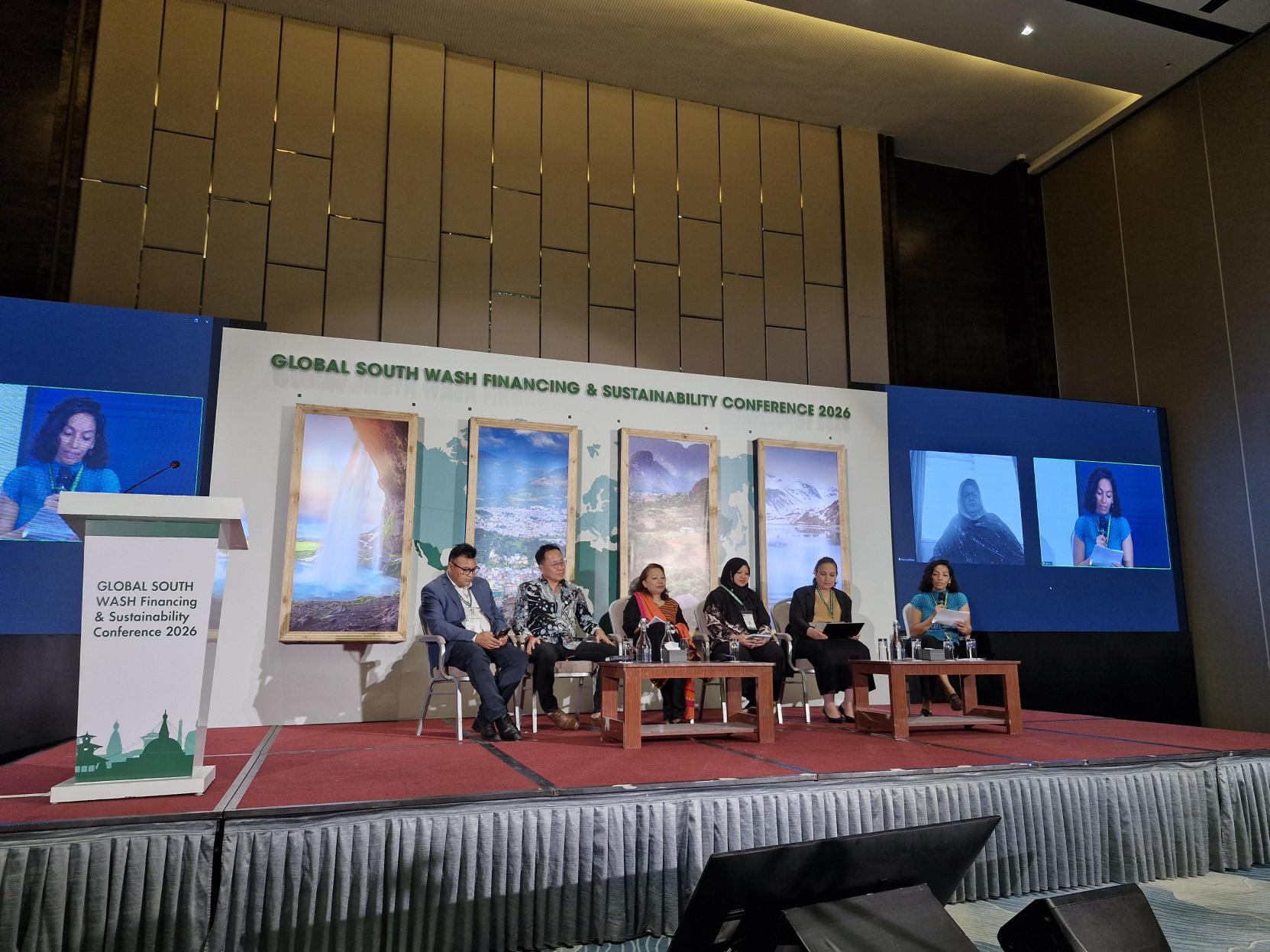
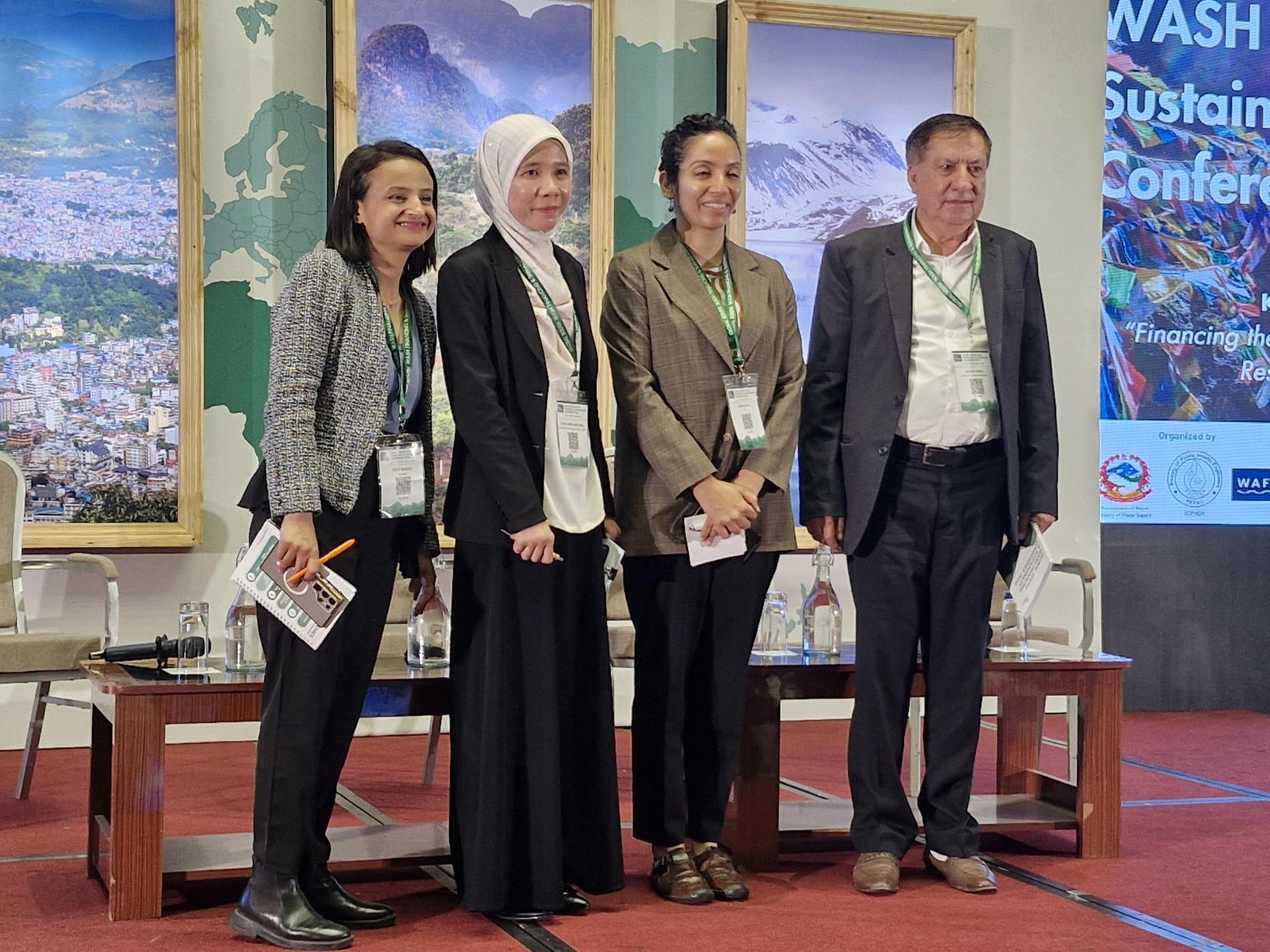
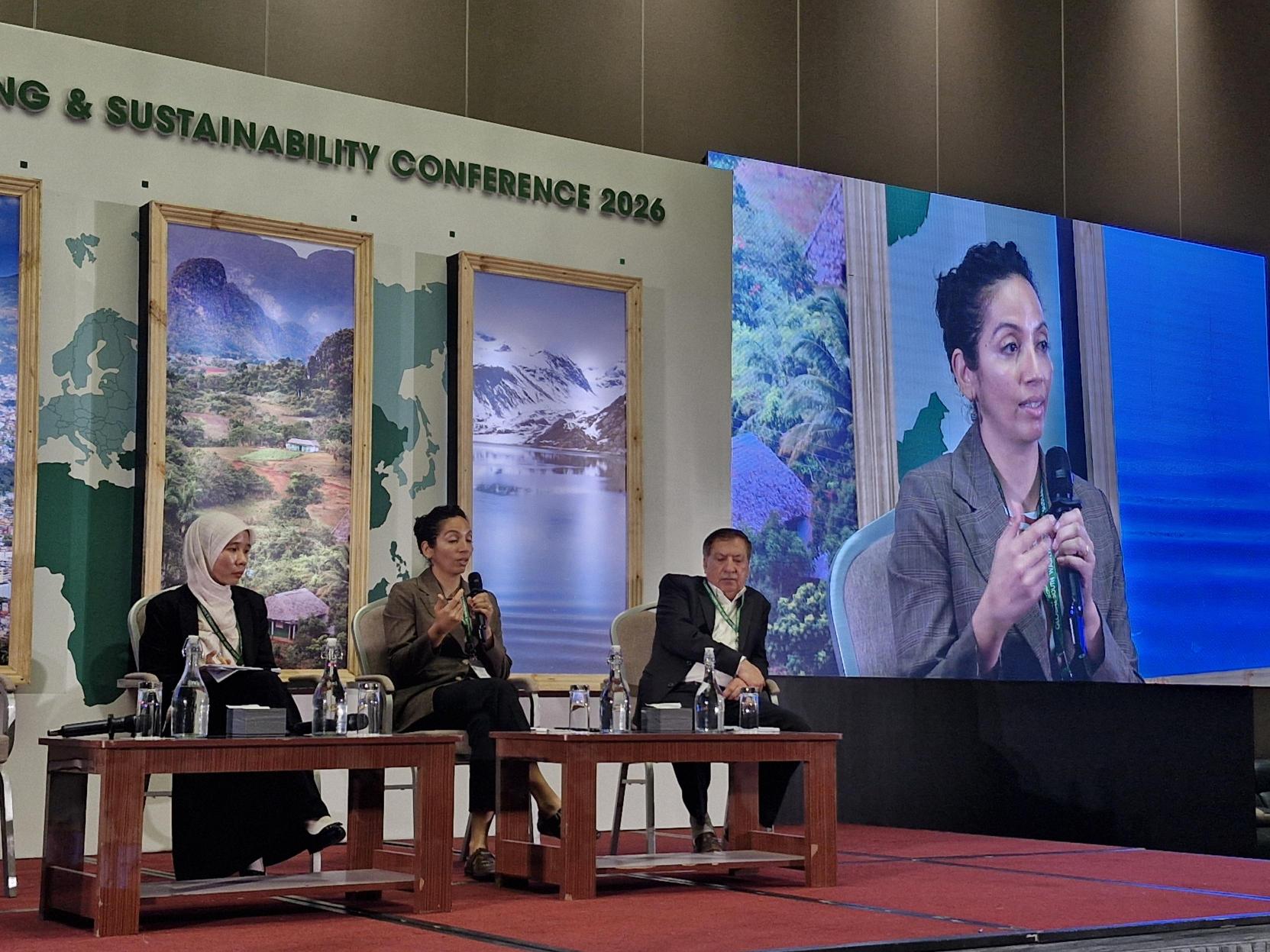
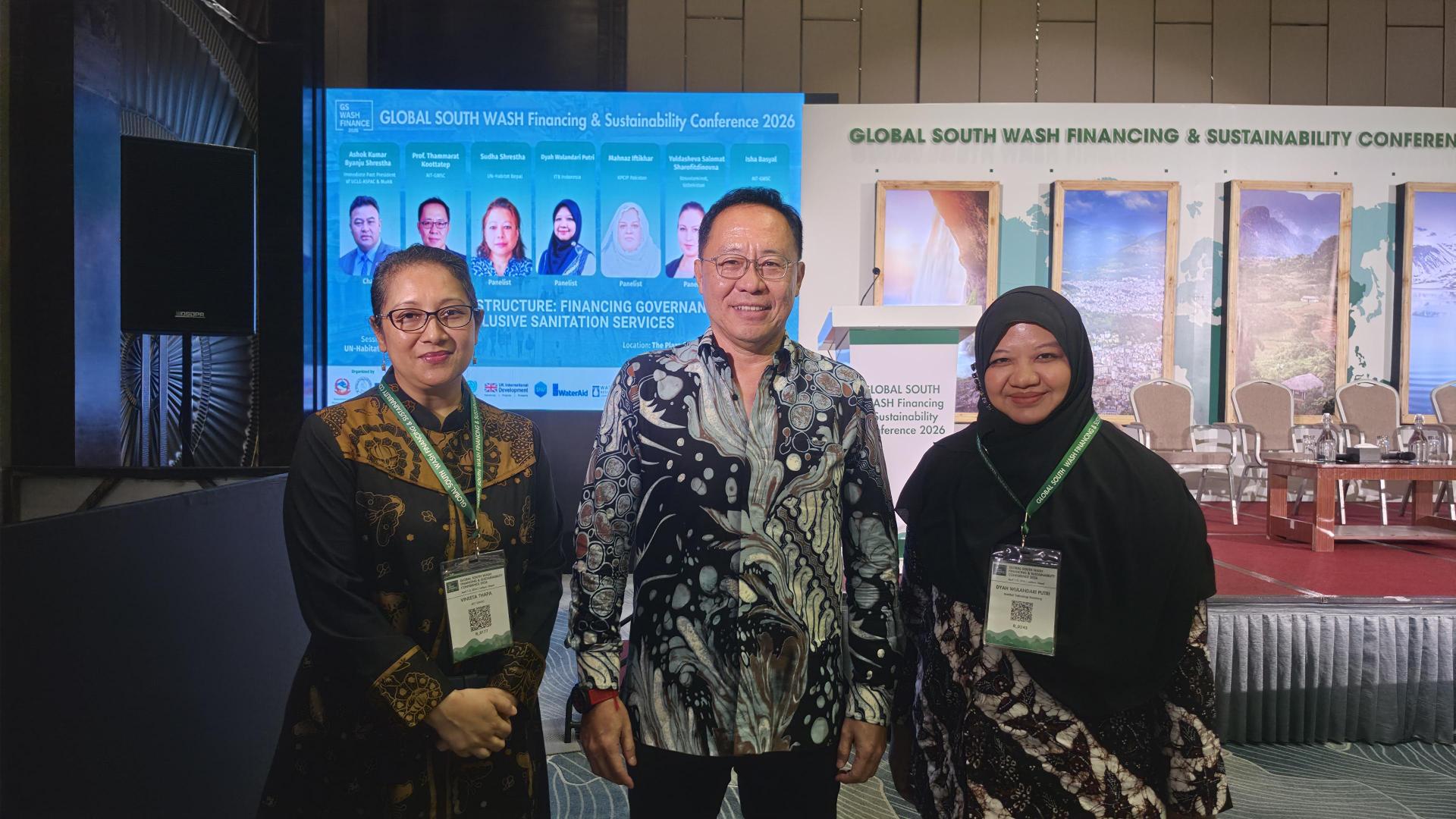
A moderated panel brought together regional and practice-based perspectives: Ms. Sudha Shrestha of UN-Habitat Nepal reflected on the persistent gap between Nepal’s CWIS policy commitments and local financing realities; Dr. Dyah Wulandari Putri of Institut Teknologi Bandung shared FSM business models suited to intermediary cities and small island contexts in Indonesia; Ms. Mahnaz Iftikhar of KPCIP Pakistan outlined procurement and financing constraints that continue to limit service delivery on the ground; and Dr. Yuldasheva Salomat Sharofitdinovna of Uzsuvtaminot, Uzbekistan, offered an investor and utility perspective on bankability and capital flows.
Mrs. Isha Basyal moderated the panel, steering the discussion consistently toward reforms that are not only technically sound but also politically and institutionally feasible.
The workshop closed with broad agreement: achieving CWIS requires shifting focus from mobilizing additional resources to redesigning financing governance systems — reforming budgeting frameworks, procurement rules, and accountability mechanisms so that inclusion is embedded as a core outcome of public finance, not an afterthought.
Voices from the Conference
The conference also featured two distinguished members of GWSC’s Advisory Board whose contributions reinforced the center’s mission.
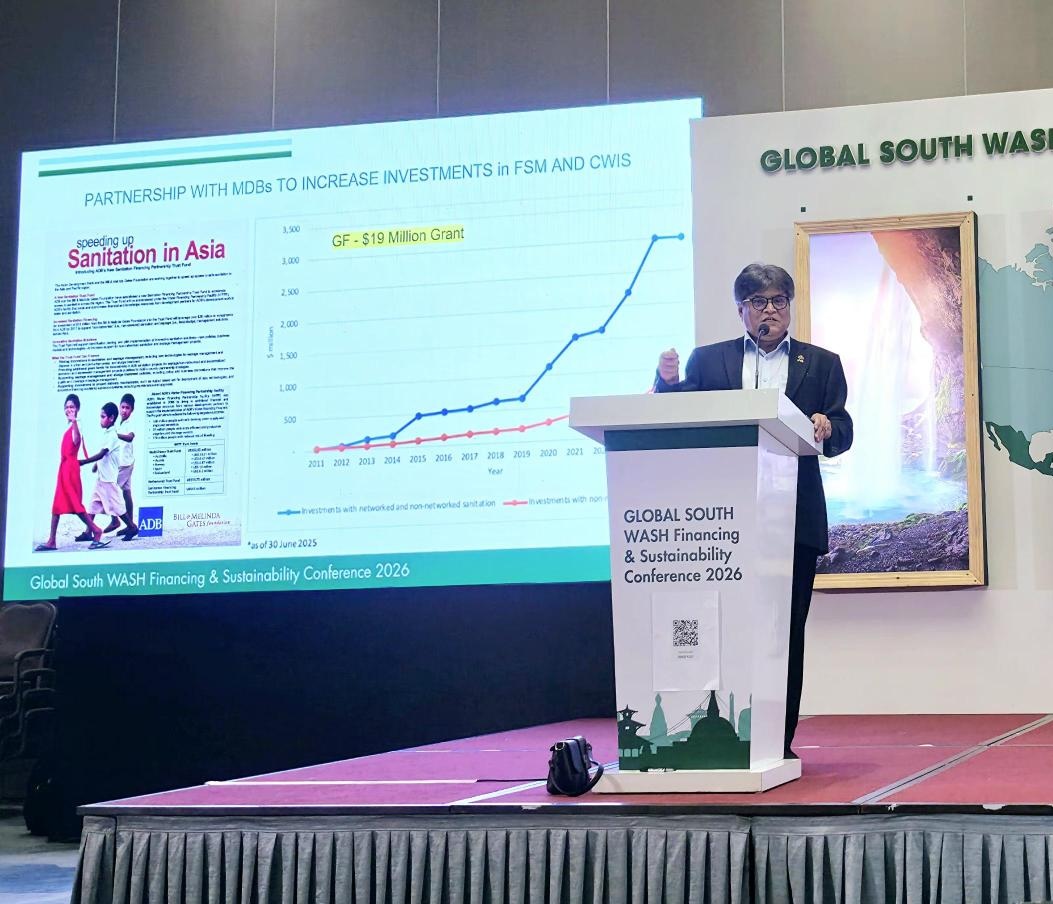
Dr. Roshan Raj Shrestha, Advisory Board Chairperson, delivered Keynote III on April 3, drawing on over 37 years of experience — from founding ENPHO in 1990 to leading City-wide Inclusive Sanitation work at the Gates Foundation. His address highlighted the power of the Technical Support Unit (TSU) model as a lever for unlocking government investment: “Our Technical Support Unit helped the government to design their investment, and the money comes from the government and they implement the project.” His message was one of leverage — that organizations like GWSC are not primarily funders, but technical enablers that give governments the confidence to spend their own budgets on sanitation at scale.
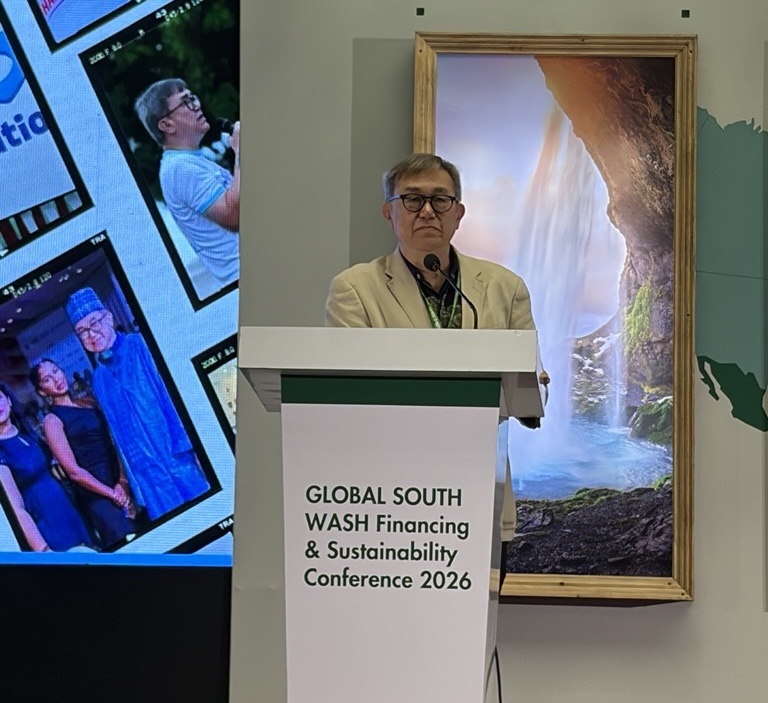
Dr. Jack Sim, Founder of WTO and Member of GWSC’s Advisory board, globally recognized as “Mr. Toilet” and a longstanding advocate for the sector, brought his characteristic energy and directness to the conference. He spoke about working with institutions like the Asian Development Bank to shift loan portfolios toward sanitation — and the relentless advocacy that requires: “I’m like a salesman for the World Bank and for the Asian Development Bank.” He also pointed to the potential of AI-augmented tools like SanOps being made open source and available to all — a vision that aligns closely with GWSC’s own approach to knowledge-sharing and local ownership.
What We Took Away
Three days. Multiple sessions. One consistent thread running through every conversation: the WASH sector has enough knowledge. What it needs now is systems that are financially, institutionally, and governance systems that are designed to deliver equity, not just infrastructure.
For GWSC, this conference reaffirmed what drives our work every day:
- Finance must be evidence-led and data-driven
- Inclusion must be embedded in budgeting and procurement, not bolted on afterward
- Local ownership — of data, of tools, of decisions — is the only path to sustainability
- And technical support, at the right level and in the right form, is what turns plans into functioning systems
We are grateful to our partners, co-organizers, panelists, and participants who made these conversations possible — and committed to carrying the outcomes forward into practical action across the region.
Learn more about our work: gwsc.ait.ac.th | Conference resources: gswashfinance.org