
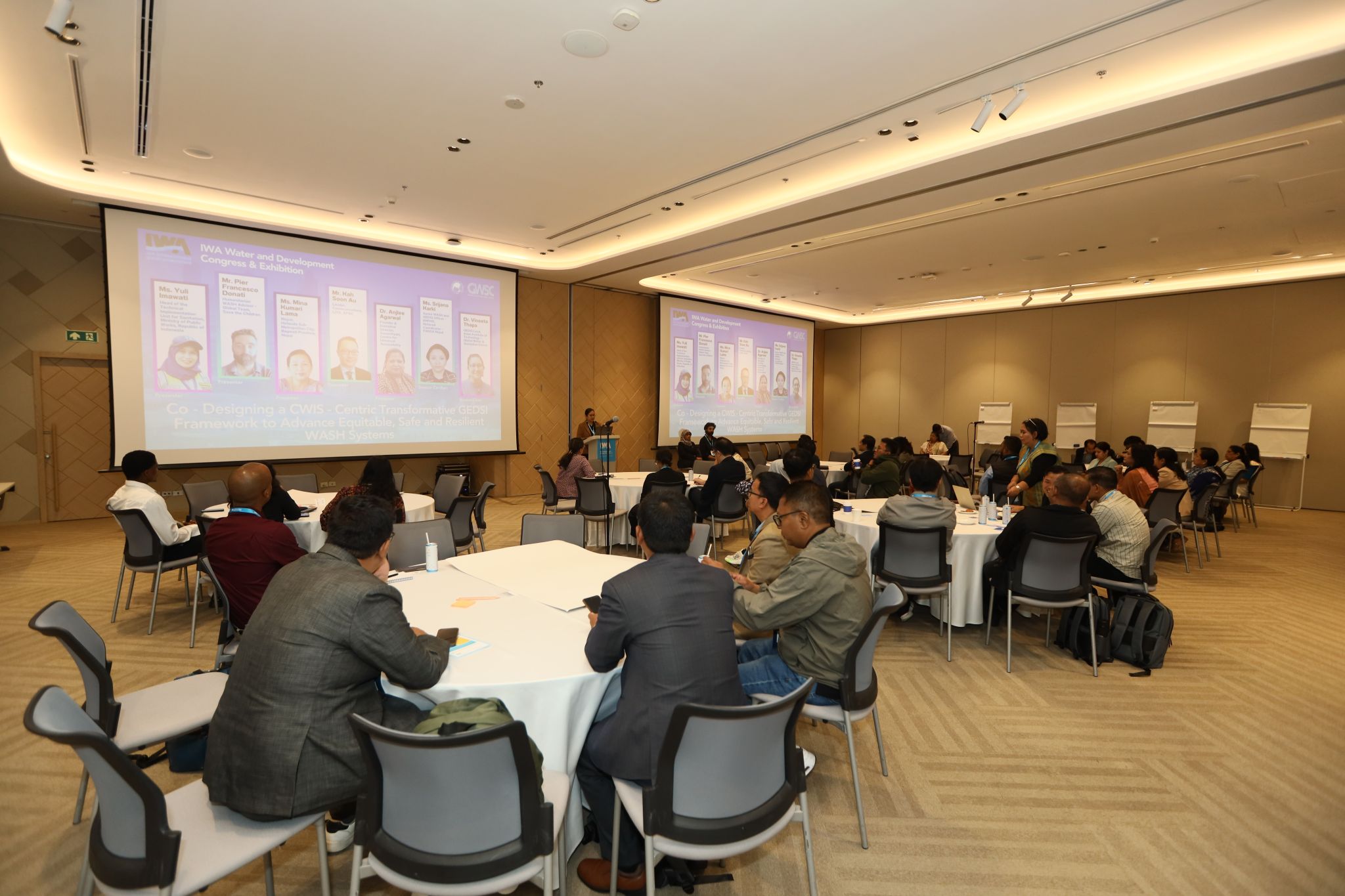
At the International Water Association Water and Development Congress & Exhibition, the workshop Co-Designing a CWIS-Centric Transformative GEDSI Framework to Advance Equitable, Safe and Resilient WASH Systems brought together actors who rarely sit at the same table: municipal leaders, national institutions, humanitarian agencies, private companies, and civil society organizations. Convened by the Asian Institute of Technology Global Water & Sanitation Center, the workshop deliberately positioned GEDSI not as a thematic add-on, but as a question of who holds power in sanitation systems, how decisions are made, and who is accountable when systems fail.
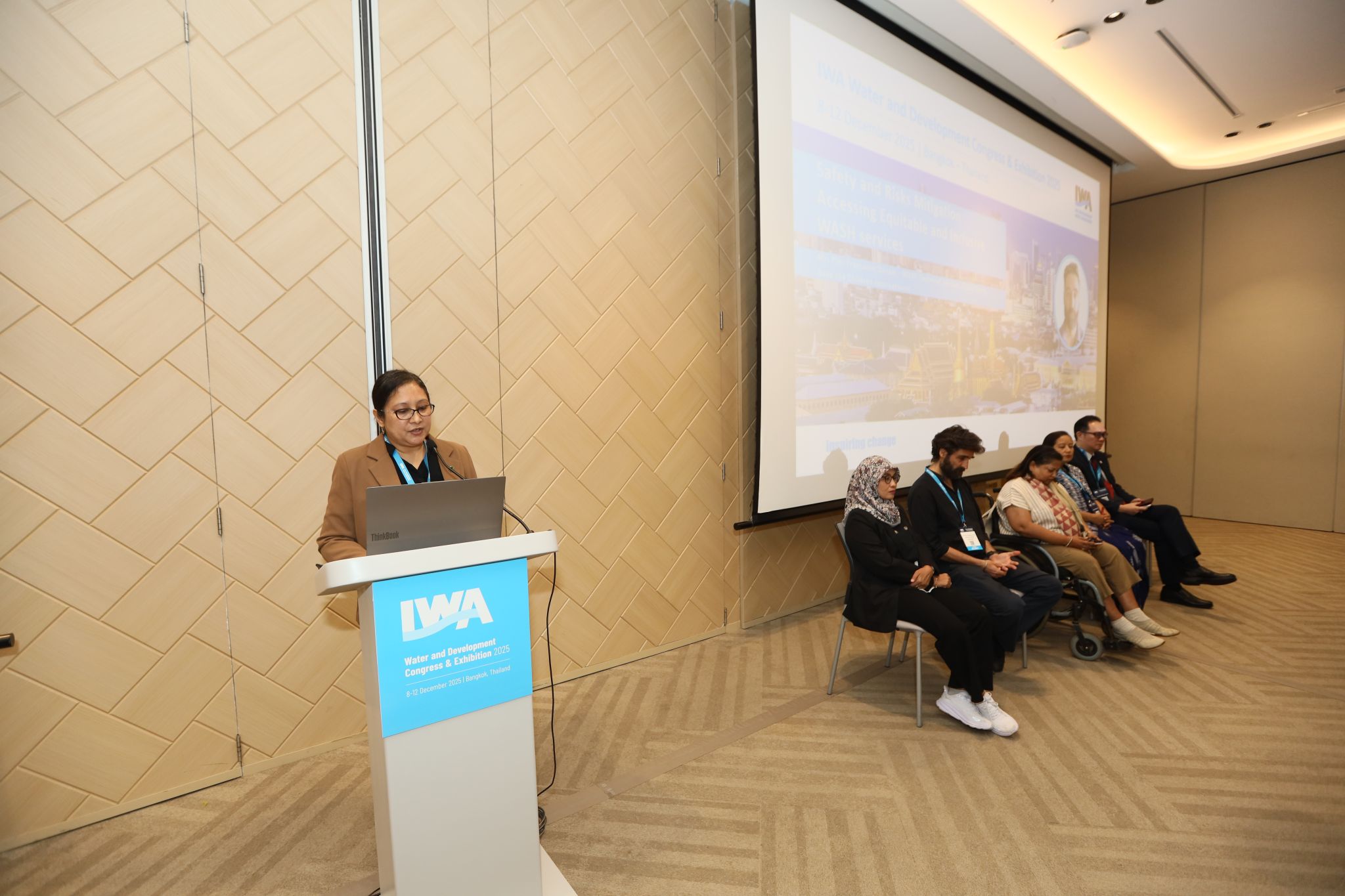
The workshop was chaired by Dr. Vineeta Thapa (AIT-GWSC), with Ms. Srijana Karki (ENPHO & FANSA Nepal) serving as Session Co-Chair. The framing was explicit from the outset: inequities in water and sanitation are not accidental. They are produced by governance choices, shaped by gender norms, caste and social hierarchies, disability exclusion, and institutional incentives that reward speed and scale over safety and dignity. The purpose of the workshop was not to resolve these tensions in two hours, but to surface them honestly and test whether CWIS can become genuinely transformative when GEDSI is treated as its governing logic.
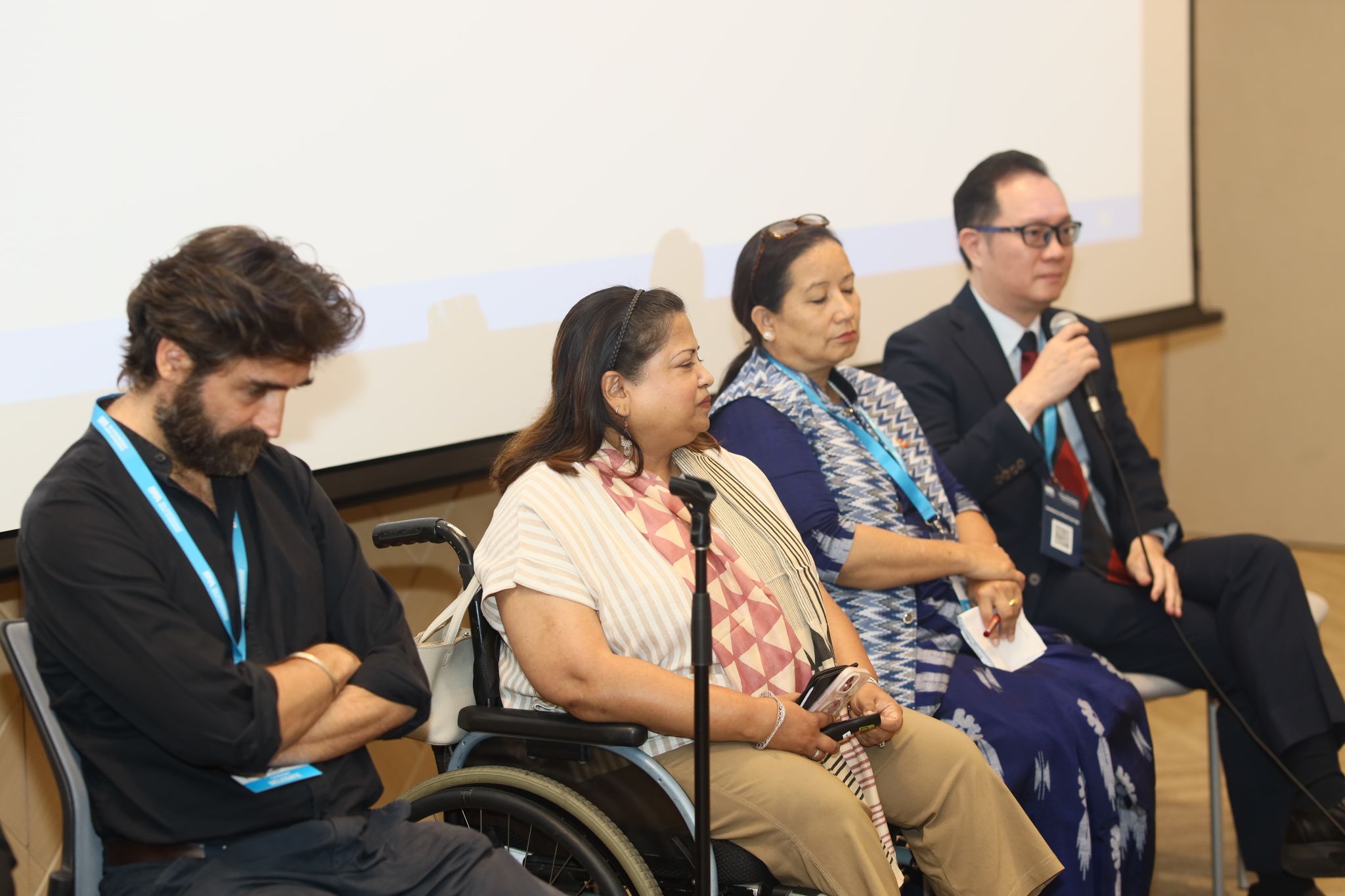
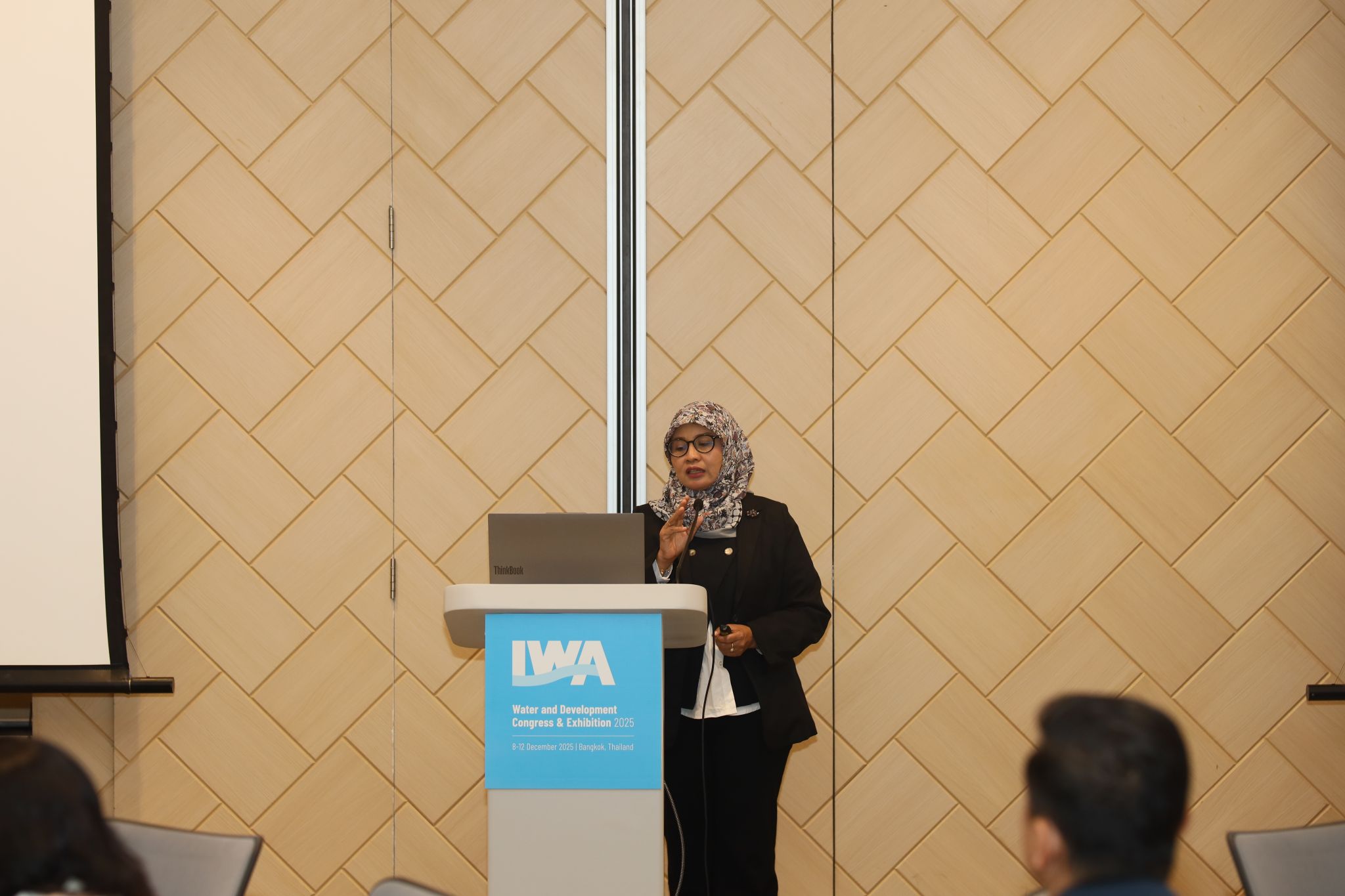
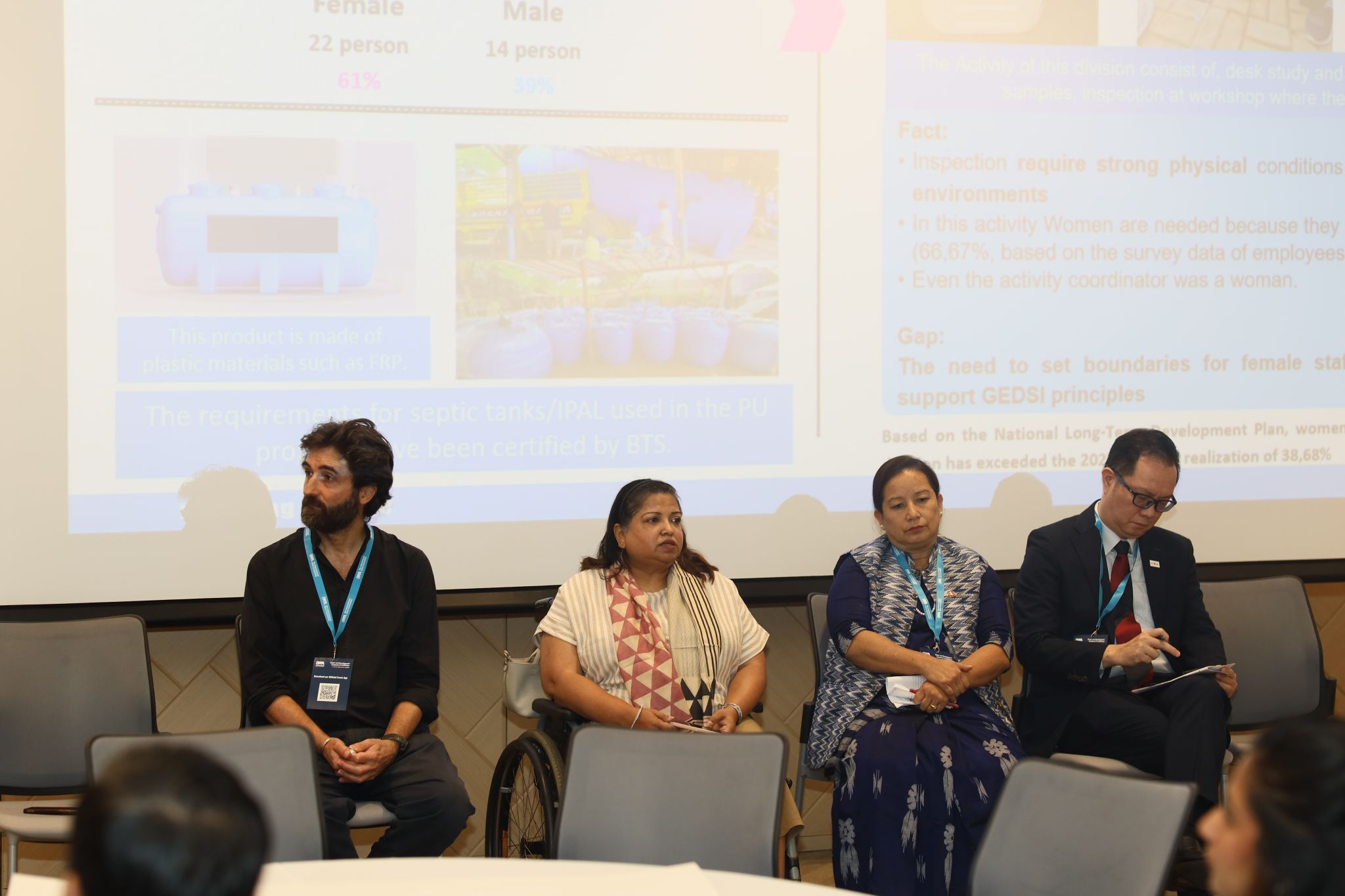
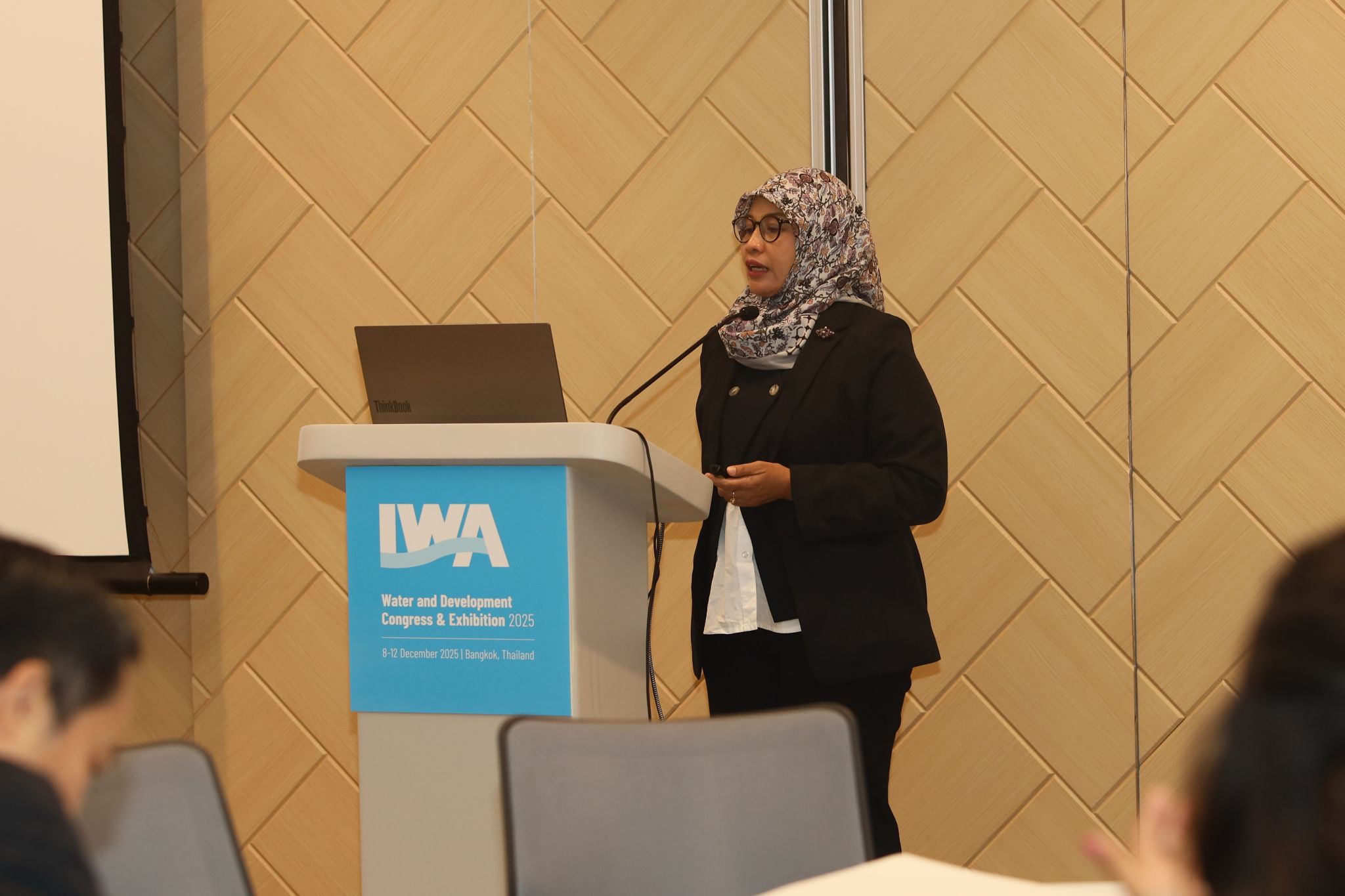
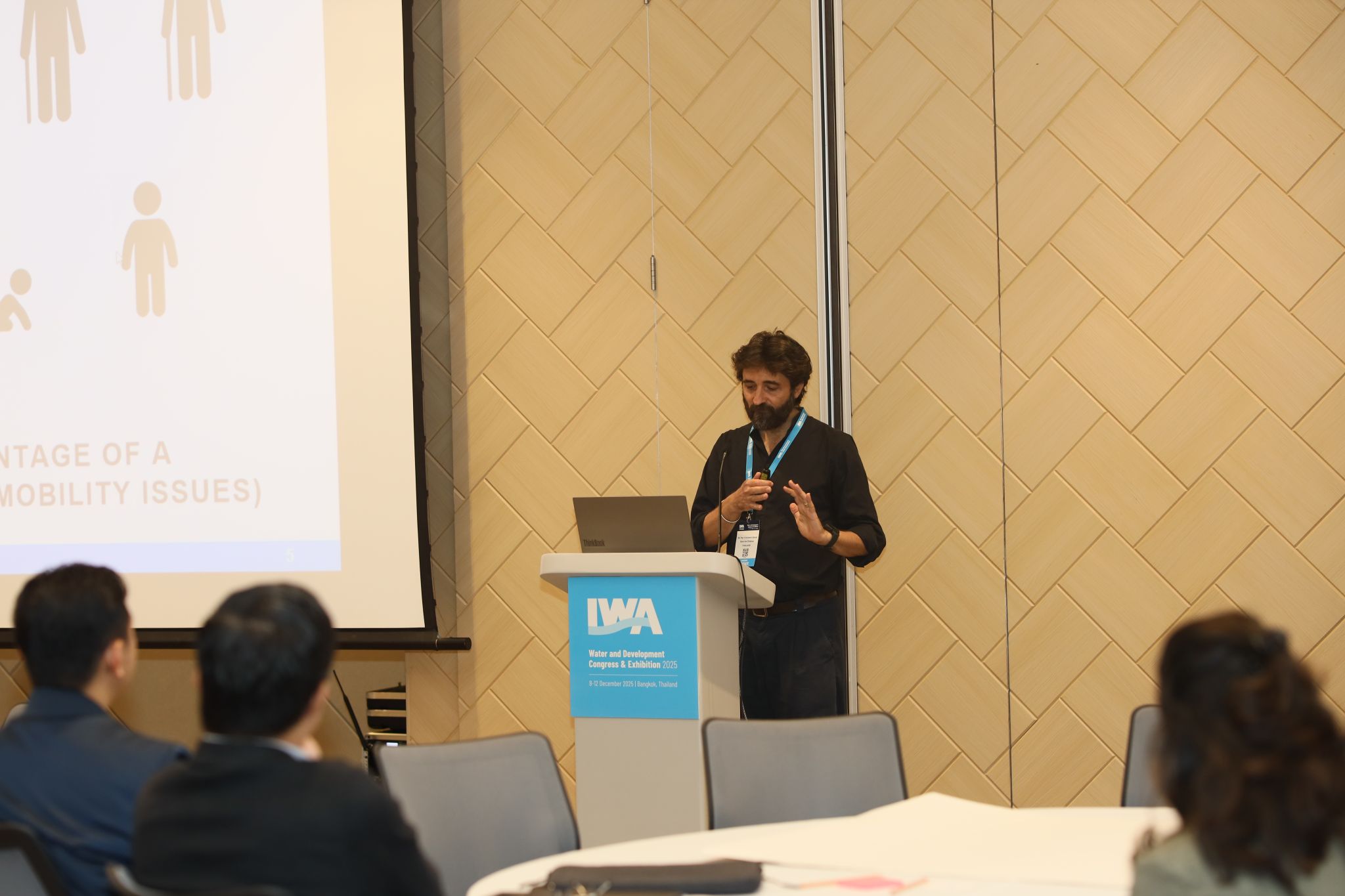
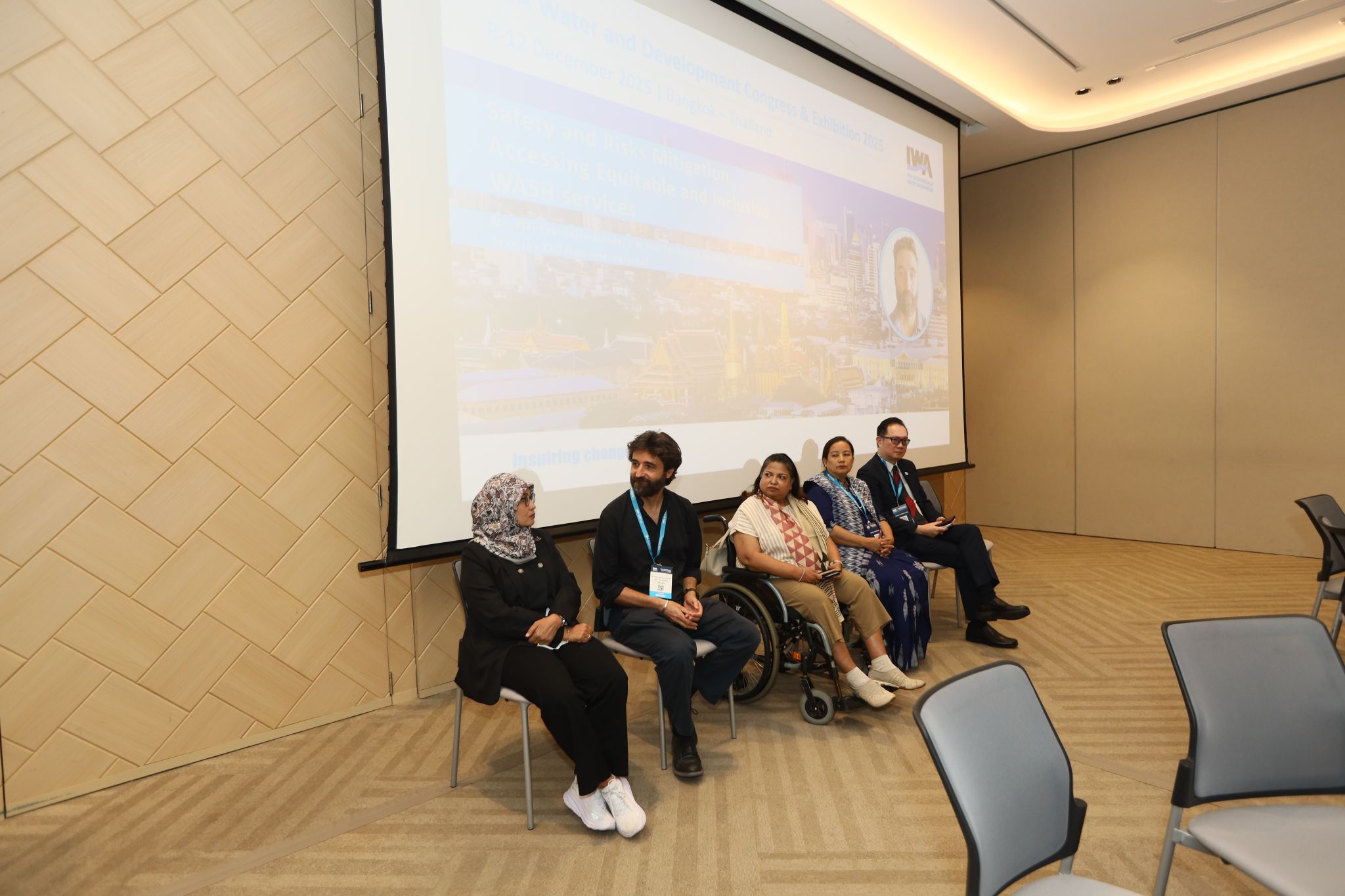
The panel reflected the breadth of the sanitation ecosystem, but also its internal contradictions. Humanitarian WASH experience from Mr. Pier Francesco Donati of Save the Children emphasized safety risks and the limits of retrofitting inclusion after design decisions are made. From government, Ms. Yuli Imawati of Indonesia’s Ministry of Public Works spoke to the operational realities of translating GEDSI commitments into regulations, budgets, and coordination across institutions. Municipal leadership grounded the discussion in political and fiscal constraints. Mayor Mina Kumari Lama of Hetauda Sub-Metropolitan City highlighted both the promise and the friction of implementing CWIS locally, where inclusive intent often collides with procurement rules, contractor behavior, and limited fiscal space. From the private sector, Mr. Kah Soon Au of LIXIL highlighted how universal design, R&D investment, and manufacturing scale can drive affordability and expand access to sanitation, emphasizing collaboration and sustainable business models as enablers of inclusive outcomes. Civil society perspective from Dr. Anjlee Agarwal of Samarthyam challenged the room to confront how accessibility and safety are routinely deprioritized when they complicate timelines or increase upfront costs.
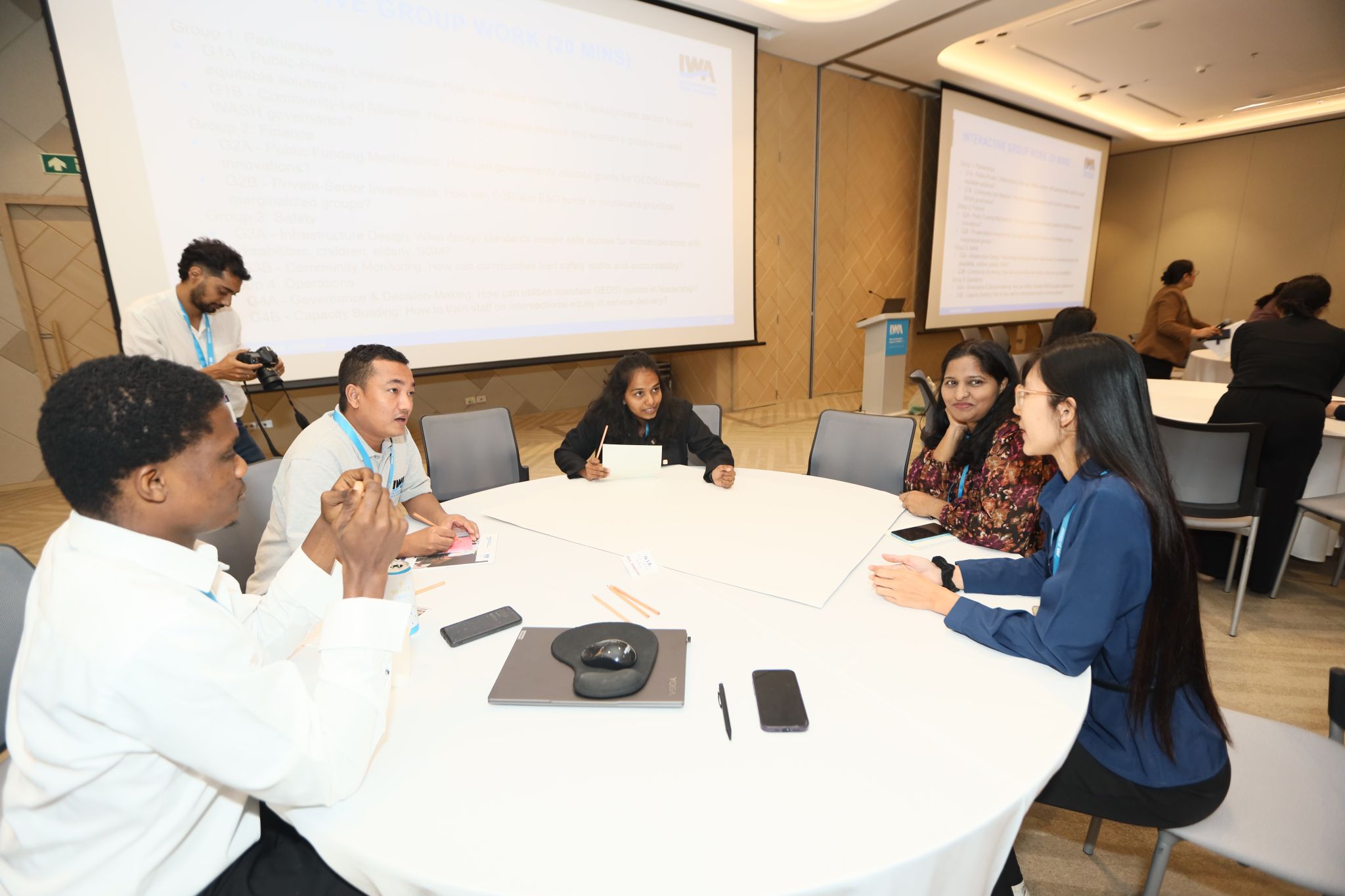
From aspirational framing to contested design questions
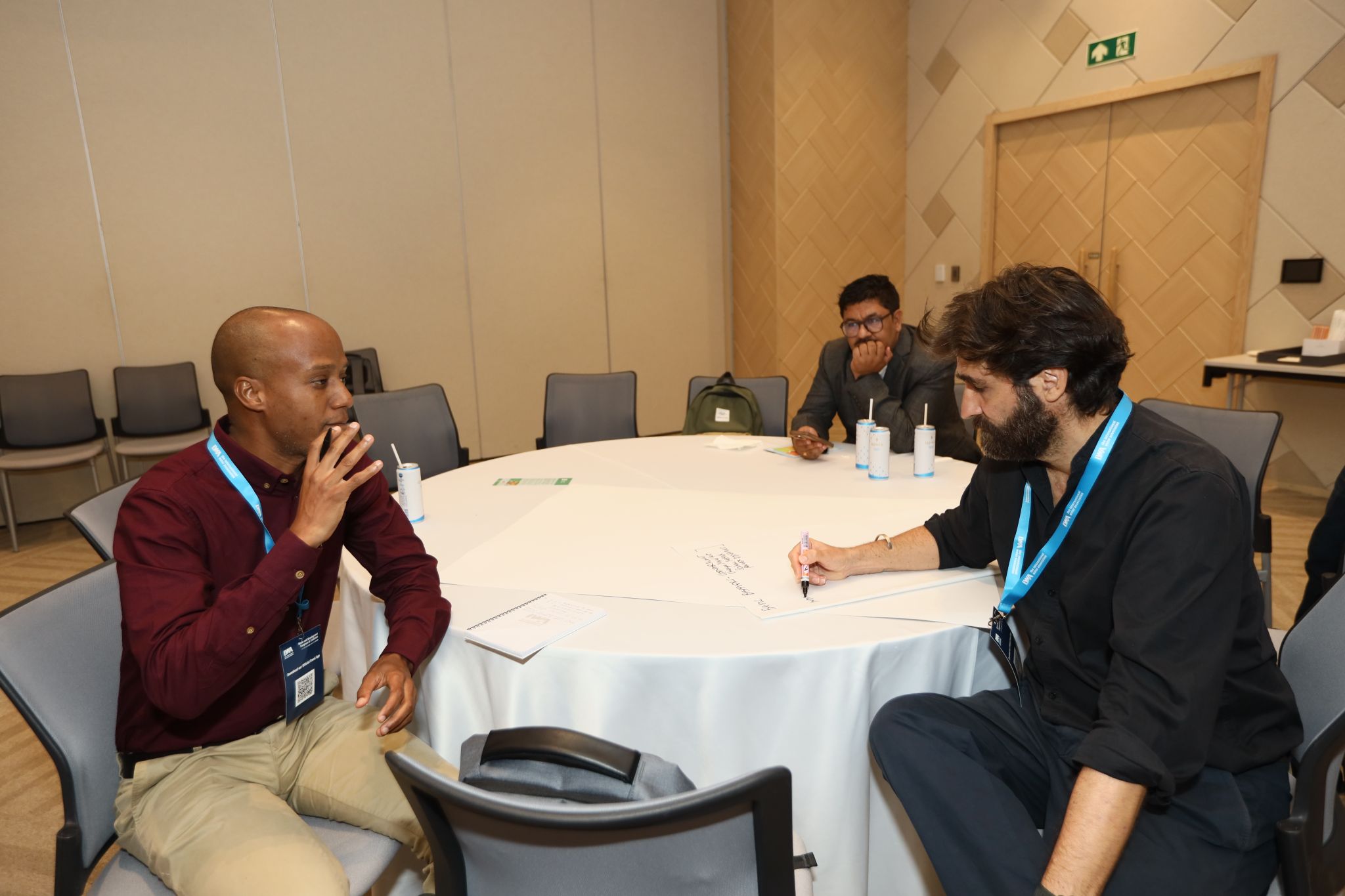
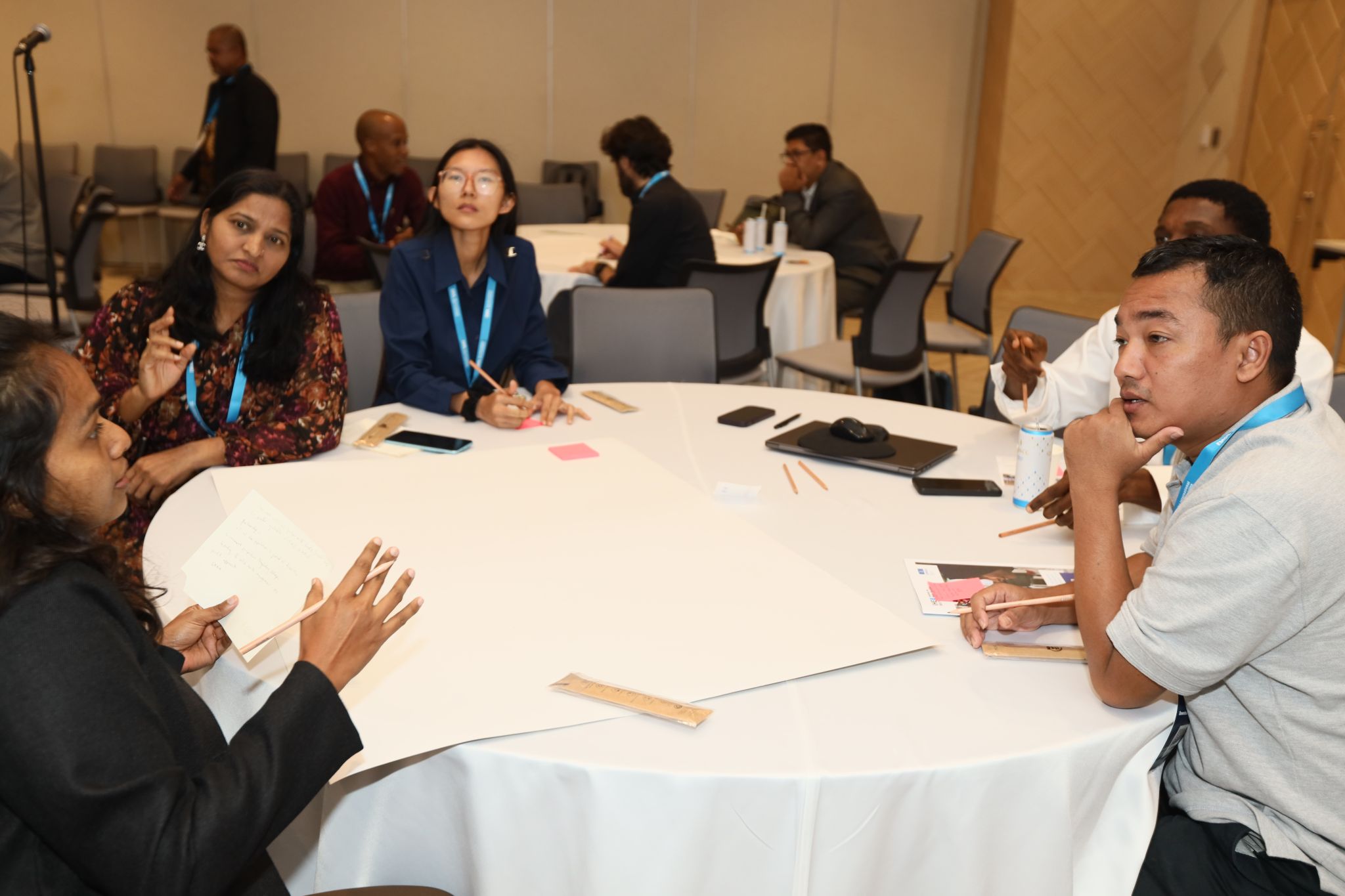
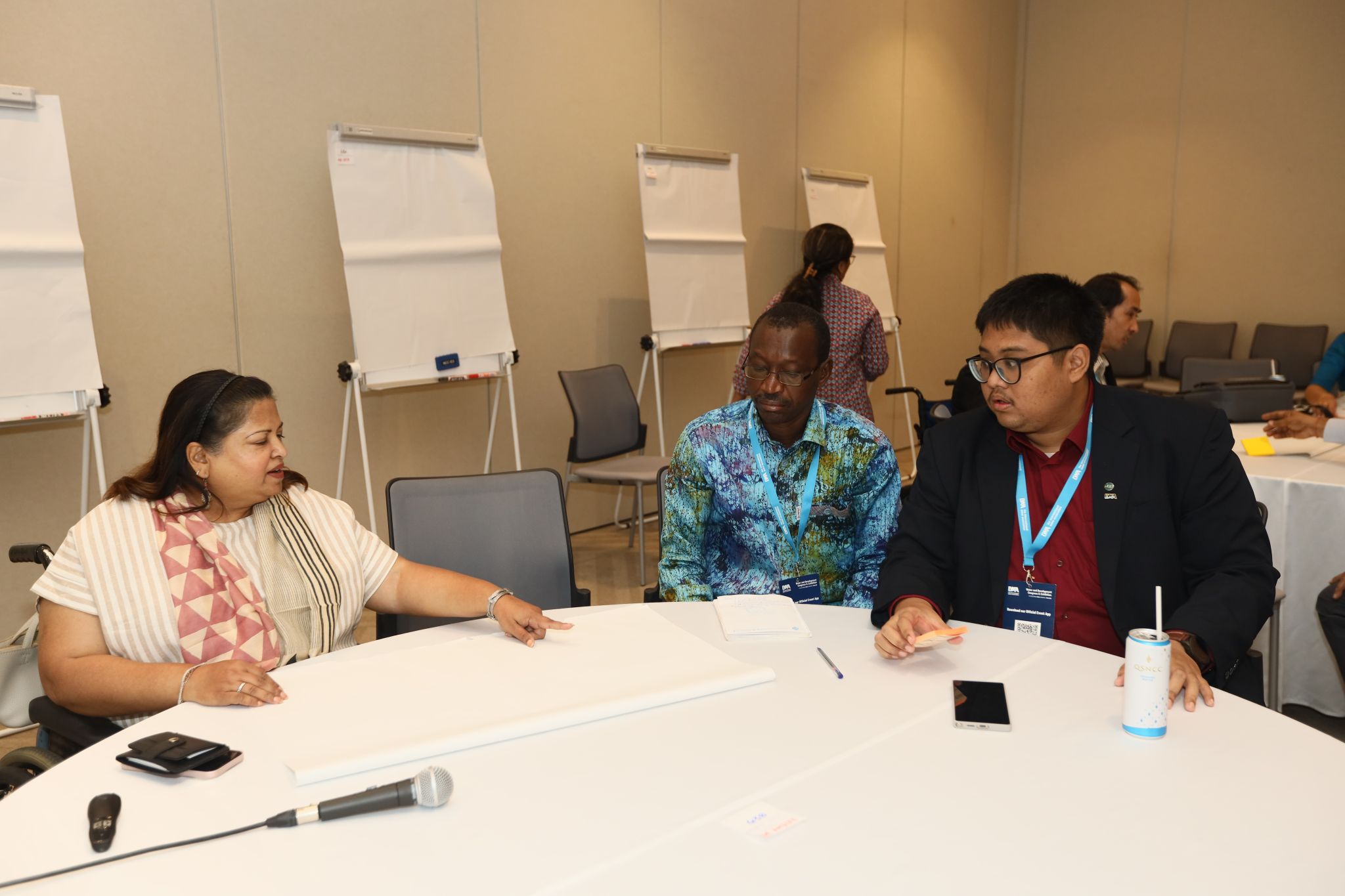
The workshop did not assume these perspectives were naturally aligned. Instead, it treated their tension as the core problem to be addressed: dialogue alone does not redistribute power, and consensus does not resolve political-economy constraints. Following the panel, participants moved into structured group work across four themes: Partnerships, Finance, Safety, and Operations, not to generate generic recommendations, but to interrogate difficult design questions. Discussions on financing examined CSR, ESG funds, and microloans as instruments with potential value but clear limitations. Participants raised concerns about the risk of shifting responsibility for basic services onto at-risk communities, and the need to ensure that such mechanisms complement, rather than replace, sustained public financing and cross-subsidy arrangements.
Safety and accountability discussions highlighted a similar tension. Community-led safety audits were recognized as important tools for evidence generation and visibility of risk, but participants noted that voice without enforceability does not automatically translate into accountability. Without formal pathways, regulatory action, budgetary response, or contractual obligation, audits risk remaining advisory rather than corrective.
Operational groups confronted trade-offs often left unstated: inclusive design increases upfront costs; participatory processes require time and institutional capacity; and intersectional approaches complicate standard operating procedures. These realities were not framed as reasons to abandon GEDSI, but as constraints that must be explicitly planned for and defended within political and administrative systems.
What the workshop achieved— Remaining Gaps and next steps
Across discussions, one message was consistent: CWIS becomes transformative only when GEDSI is the architecture of governance, not a checklist layered onto technical plans. At the same time, the workshop was explicit about its limits. The proposed CWIS-centric GEDSI blueprint is not a finished product; it is a commitment to a process that still requires hard choices.
The workshop concluded with a commitment by Session Chair Dr. Vineeta Thapa, supported by Session Co-Chair Ms. Srijana Karki, to take the work forward through a CWIS-centric GEDSI blueprint. This was framed not as a static toolkit, but as a living, contested process, intended to be tested through pilot implementation, adapted locally, and subjected to independent scrutiny.
The real measure of success will not be the elegance of the framework, but whether it disrupts the governance choices it correctly identifies as the root of inequality. That test lies ahead, when vision meets resistance, and when inclusion must be defended not in principle, but in practice.
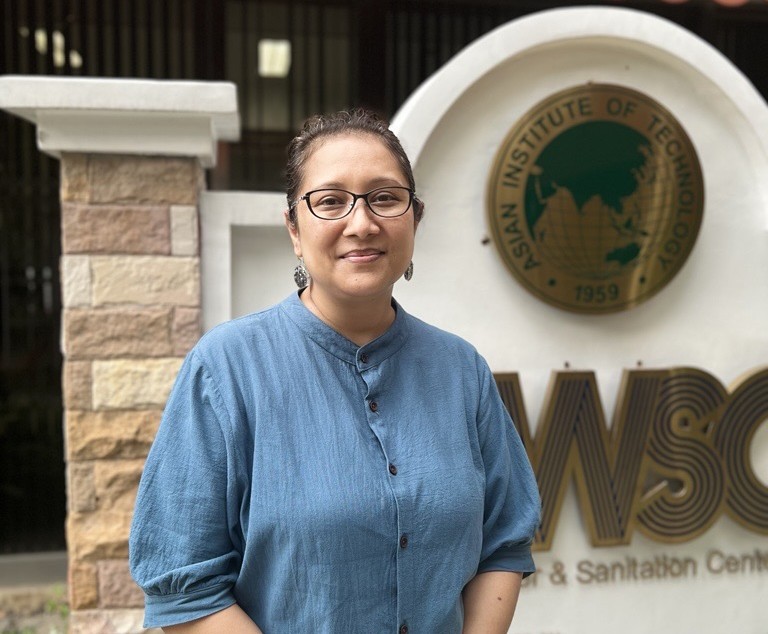
Dr. Vineeta Thapa is a social scientist with over two decades of experience in inclusive development research and leadership. She is GEDSI Lead at the Asian Institute of Technology’s Global Water & Sanitation Center, providing strategic direction across Gender Equality, Disability and Social Inclusion, water and sanitation, disaster risk reduction, and governance through applied research and policy engagement.