
In Pontianak, more than 98 percent of residents still rely on septic tanks — most of which are never emptied. In Mataram and Semarang, the gap between toilet access and safely managed sanitation is equally stark. These are not infrastructure deserts; they are cities with systems in place that are not yet performing as services. Closing that gap requires more than construction. It requires people who know how to plan, operate, finance, and sustain what gets built.
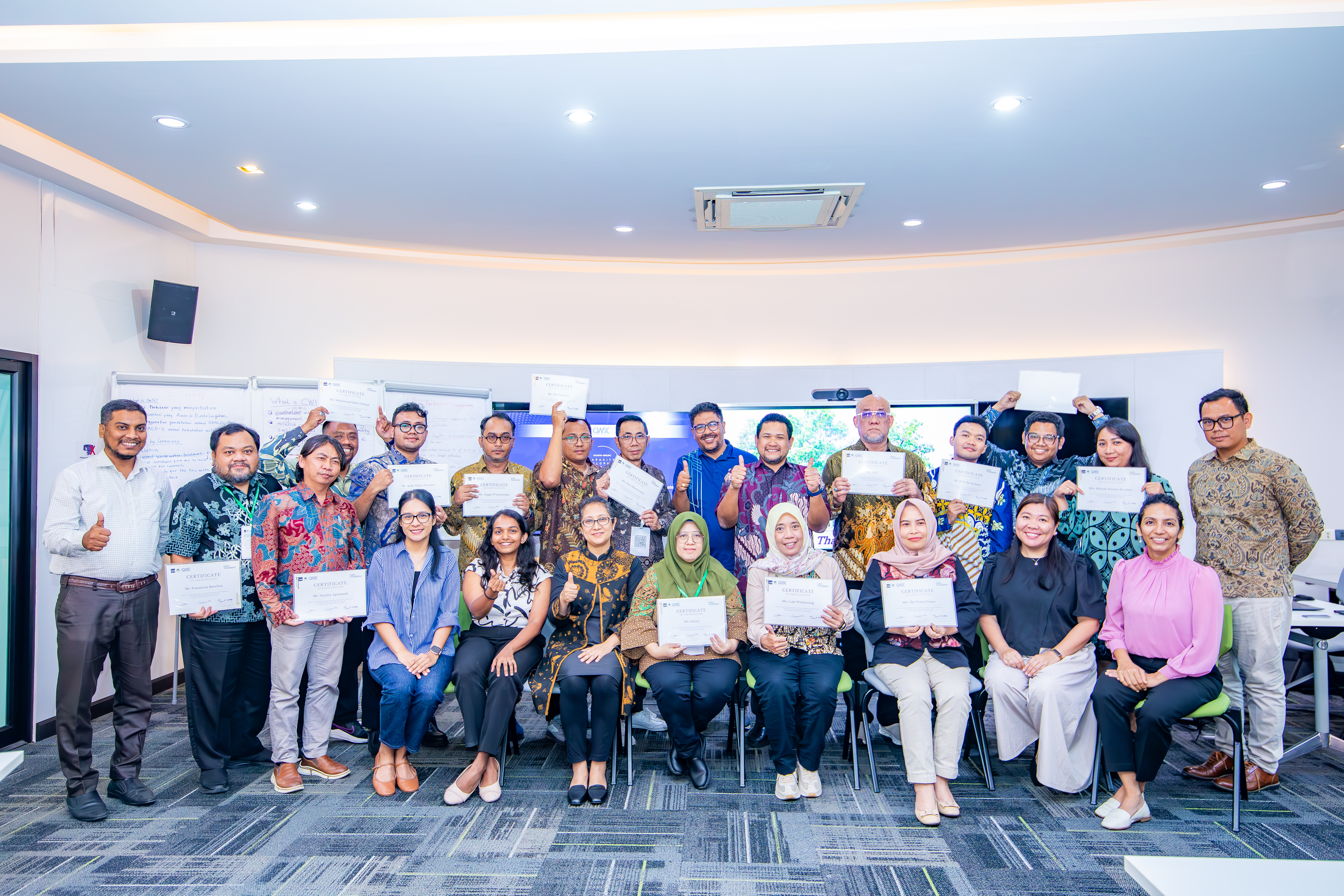
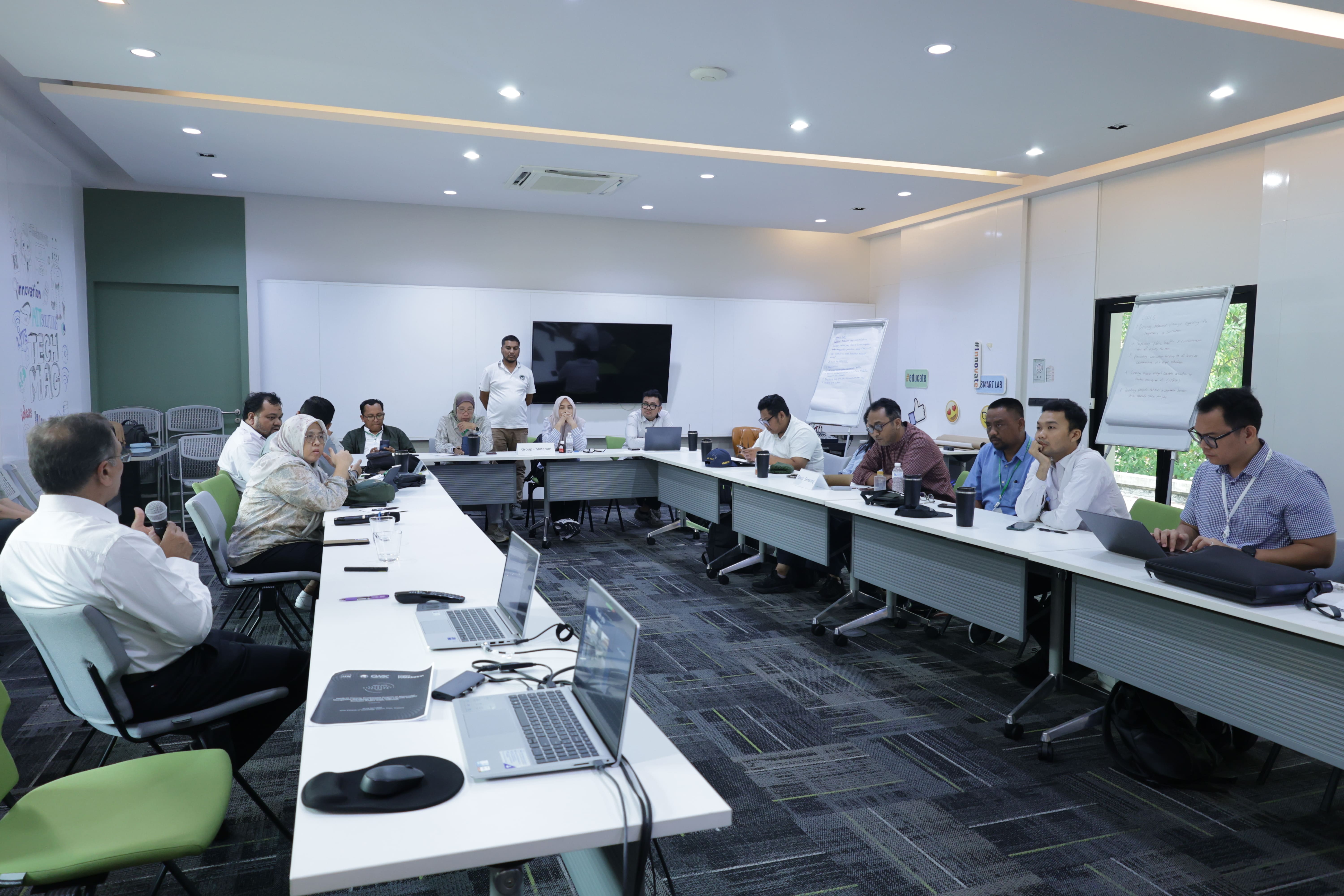
That is what brought 14 mid-to-senior officials from Indonesia’s three Citywide Inclusive Sanitation Project (CISP) cities, Pontianak, Semarang, and Mataram, to the Asian Institute of Technology (AIT) in Bangkok for five intensive days in April 2026.
Why Capacity, and Why Now
The Asian Development Bank (ADB) and AIT’s Global Water & Sanitation Center (GWSC) signed a Memorandum of Understanding in May 2025 to strengthen collaboration across the water and sanitation sector in Asia. Under that partnership, ADB identified Indonesia’s CISP cities as an immediate priority: cities that are investing significantly in wastewater infrastructure and need the institutional and technical capacity to make that infrastructure deliver lasting results.
Supported by the Gates Foundation through the Sanitation Financing Partnership Trust Fund, the five-day Hands-on Capacity Development Program on Wastewater Management and Climate Resilience was designed to address a specific gap — not general sanitation awareness, but the applied skills that city planners, utility managers, and public works officials need to run CWIS-aligned systems in their own contexts.
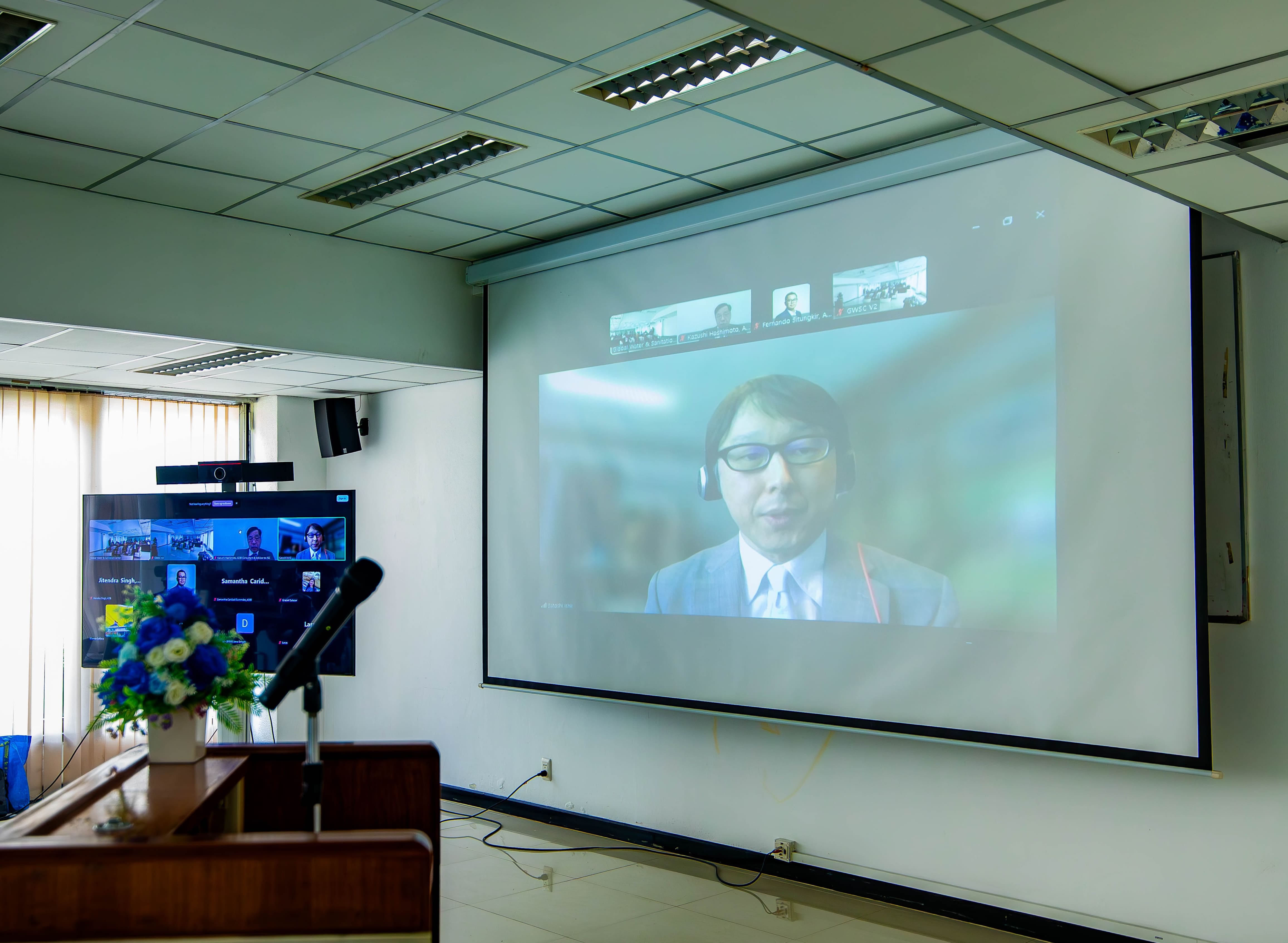
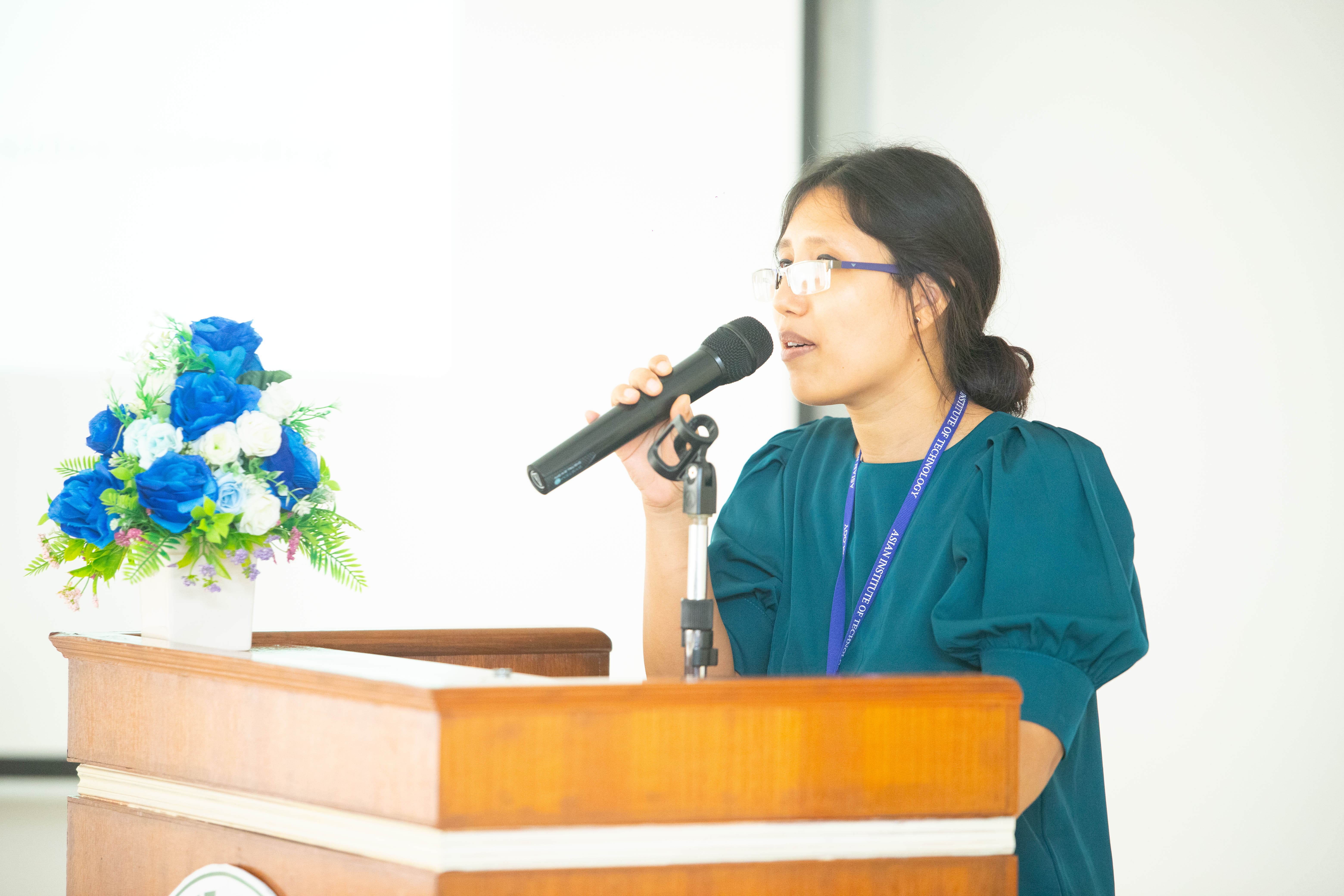
“Sanitation infrastructure alone cannot ensure long-term service outcomes unless it is supported by proper operation and maintenance, institutional capacity, governance, and climate resilience.”
— Mr. Satoshi Ishii, Director, Strategy and Partnerships, ADB
A Learning Design Built Around Practice
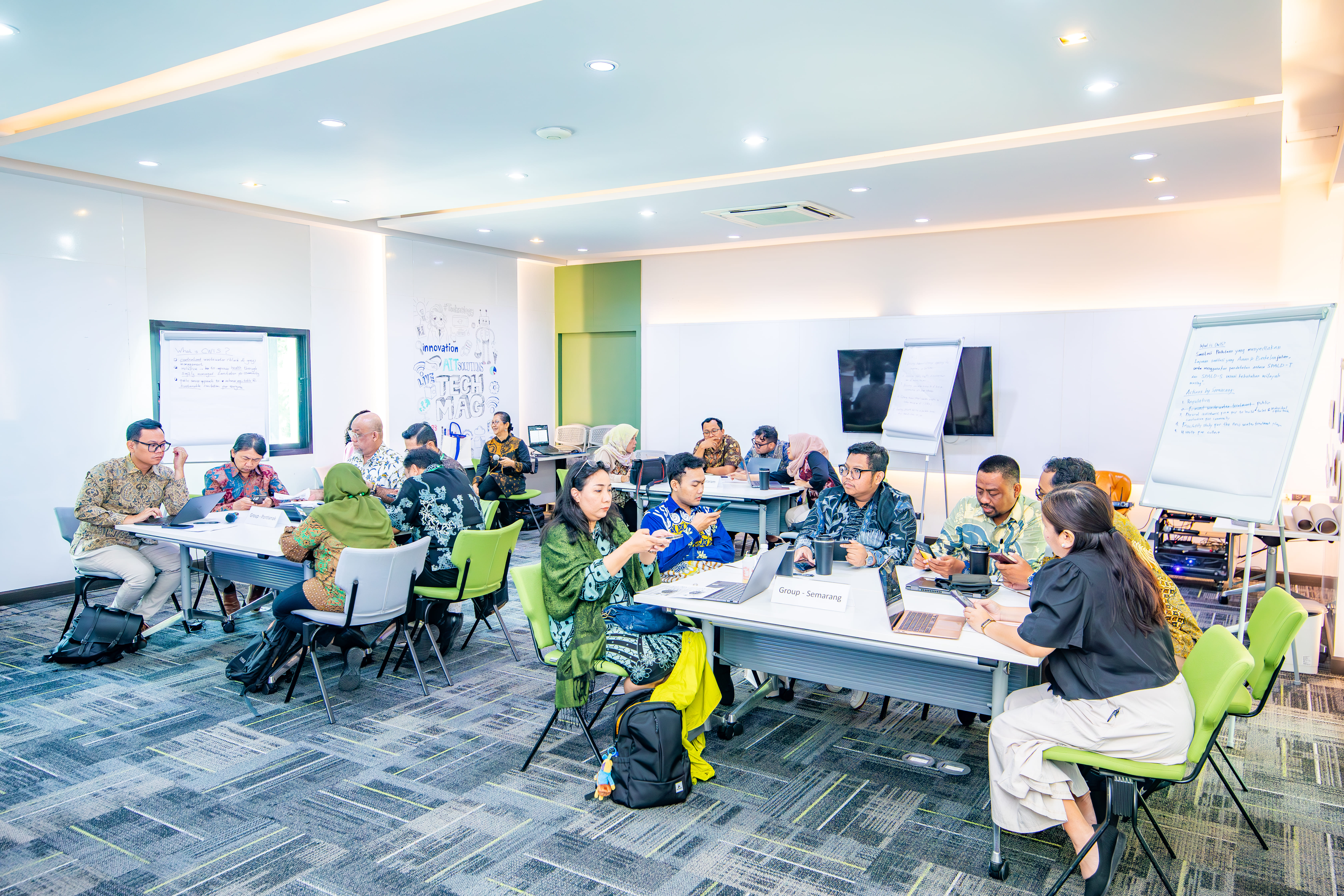
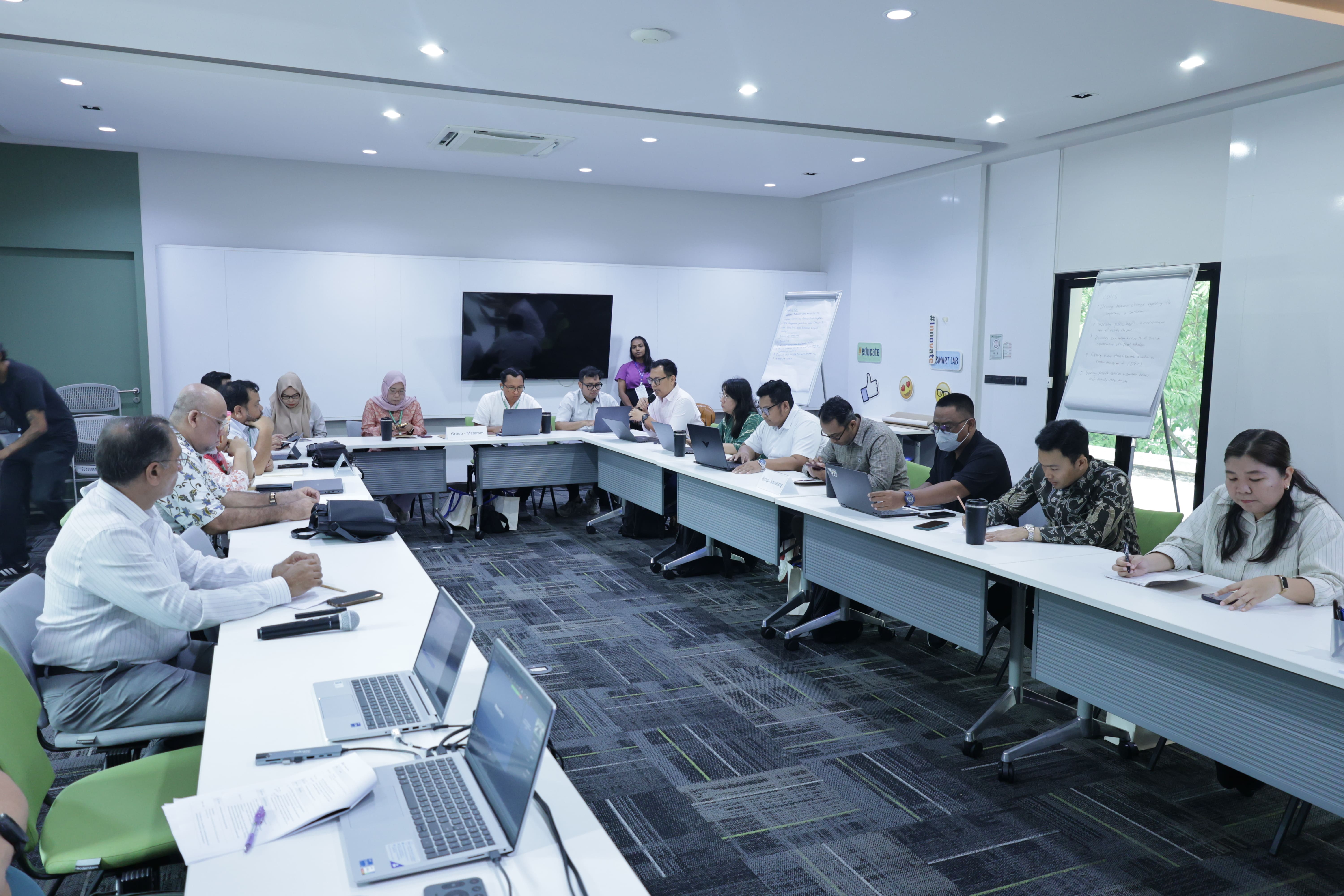
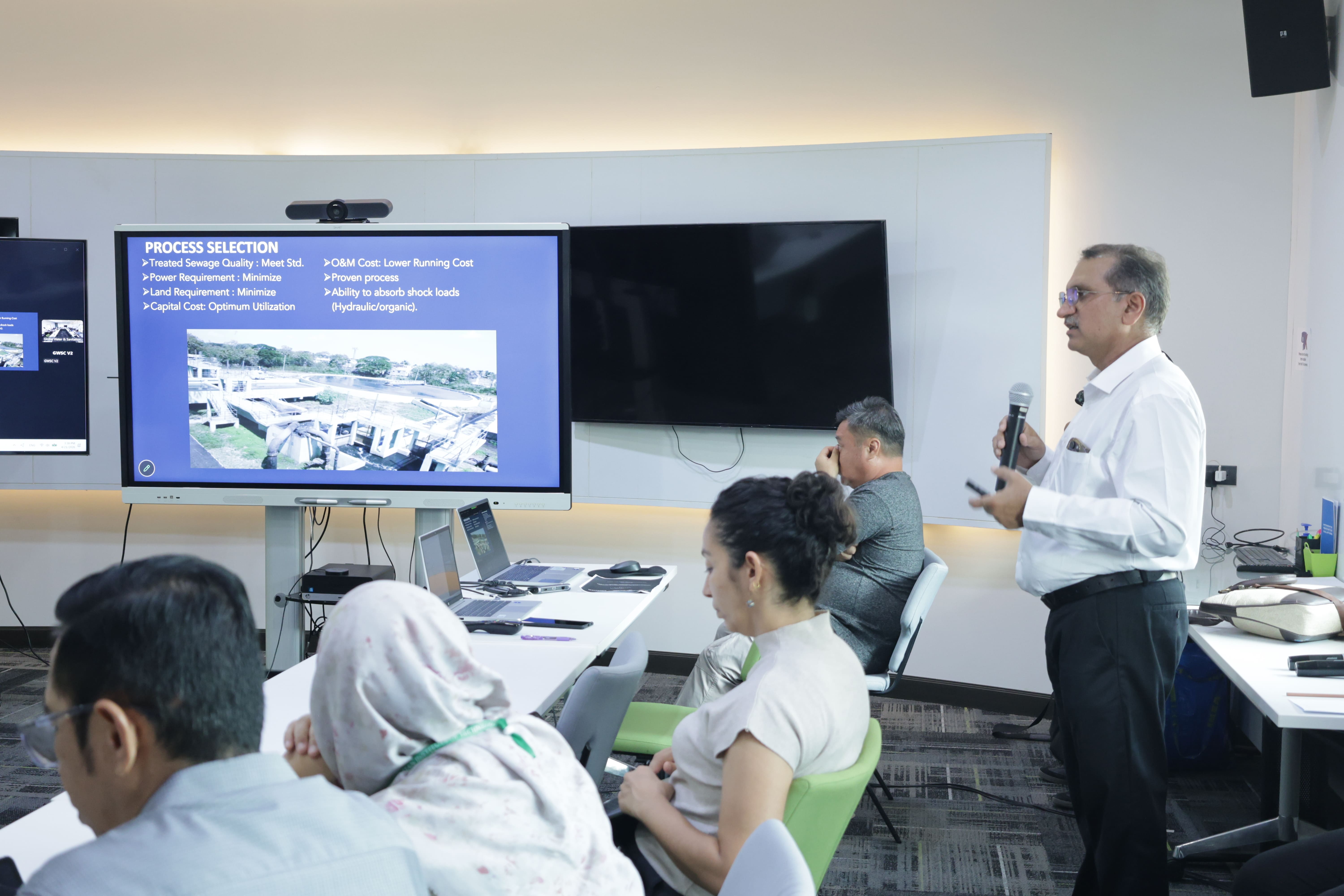
The programme was not structured as a lecture series. Before content was finalised, the GWSC team held detailed consultations with Indonesia’s Central Project Management Unit and the ADB Indonesia Resident Mission to map precisely what participants were expected to implement and where their current gaps lay. The resulting five-day design wove together three elements: expert-led technical sessions, two half-day exposure visits to Bangkok’s operational wastewater facilities, and structured city-based group work that asked each team to analyse their own sanitation situation and build a concrete action plan.
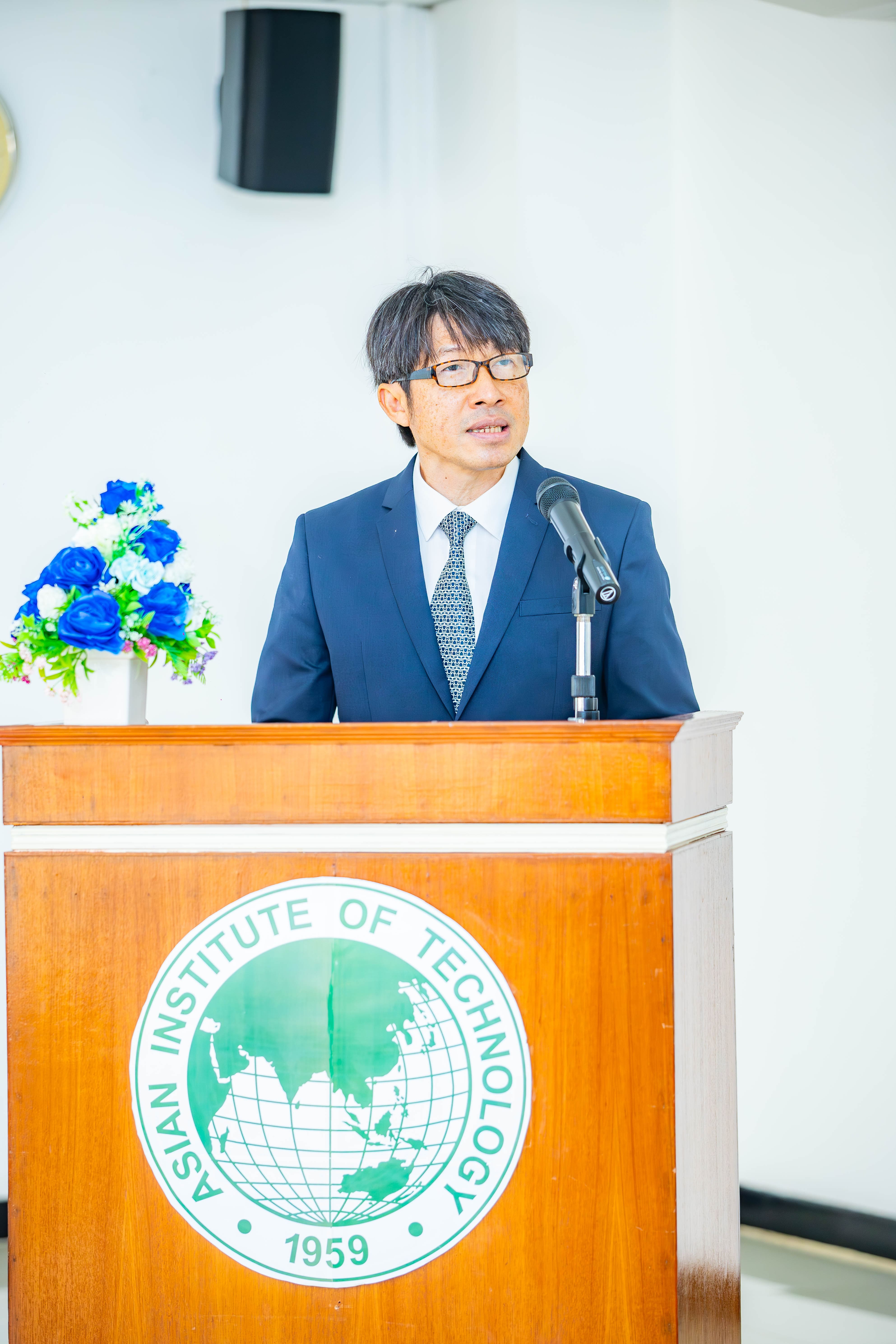
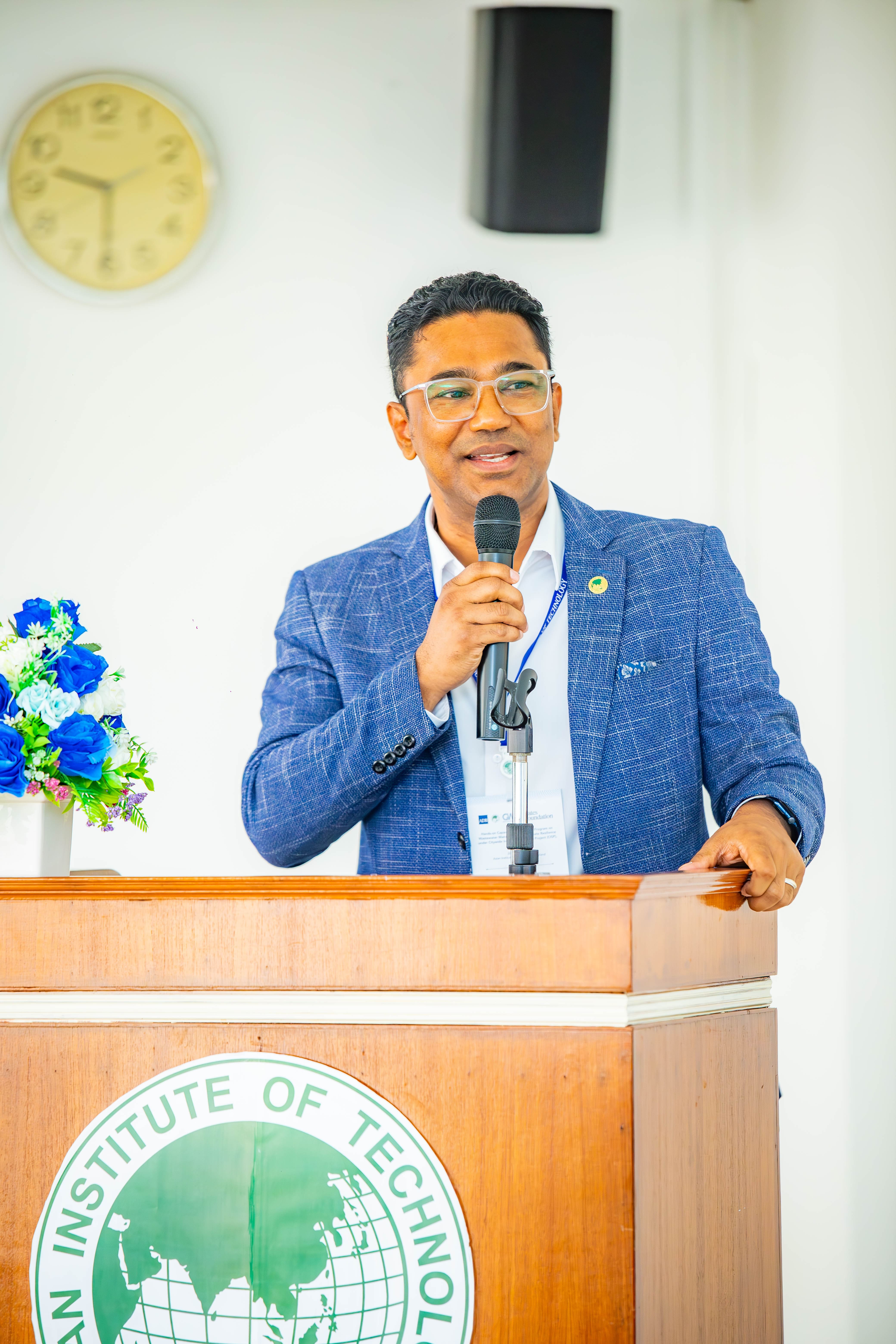
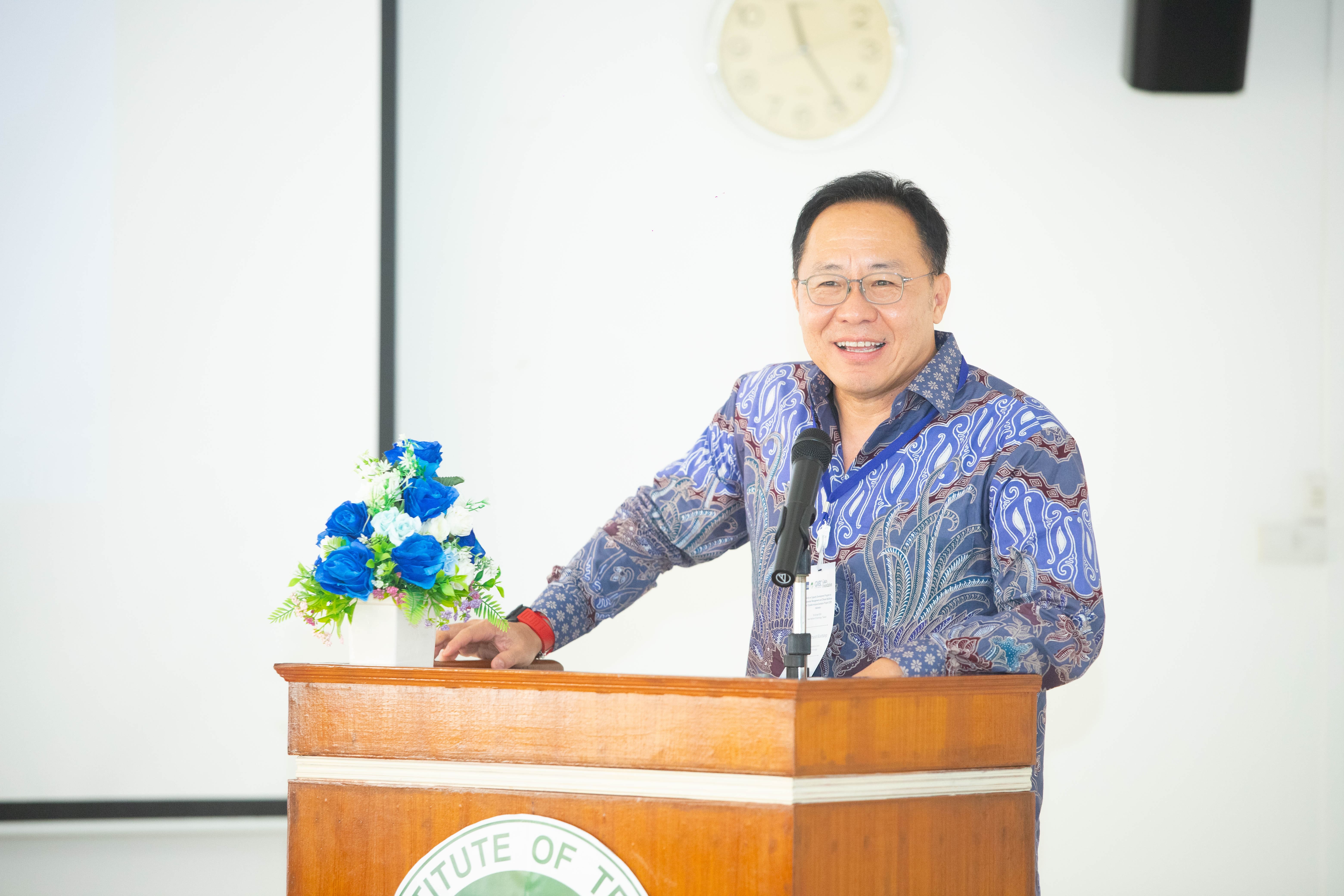
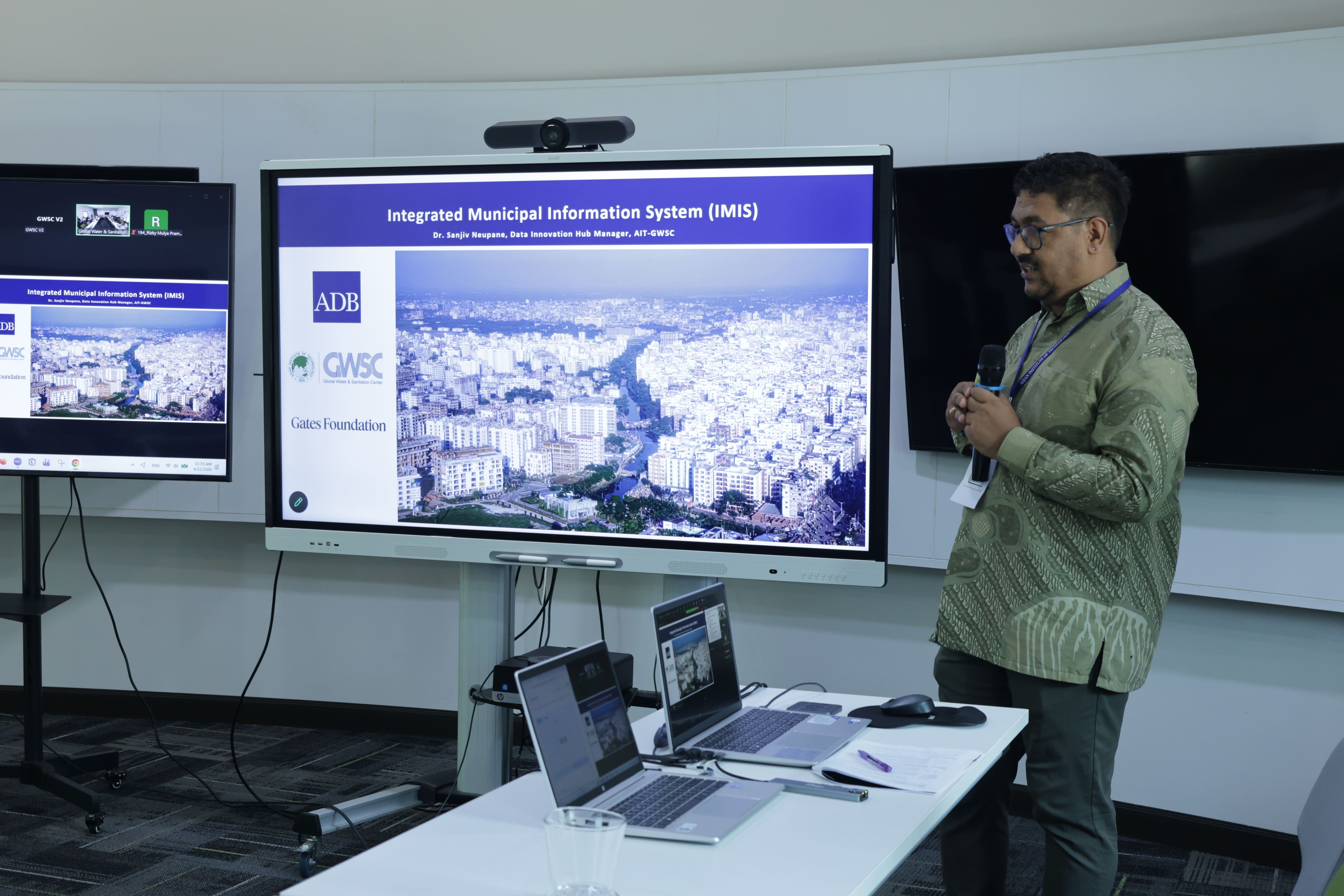
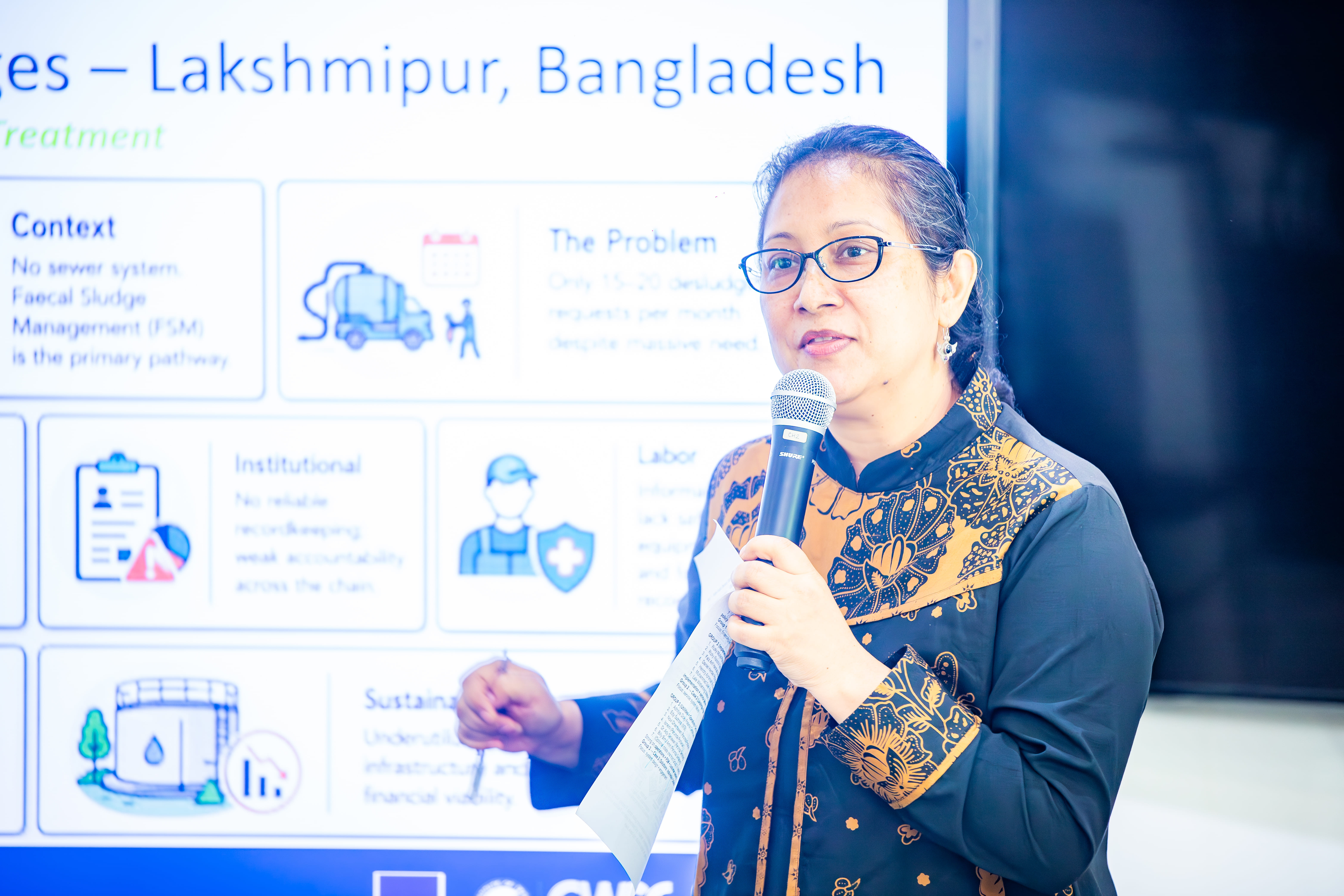
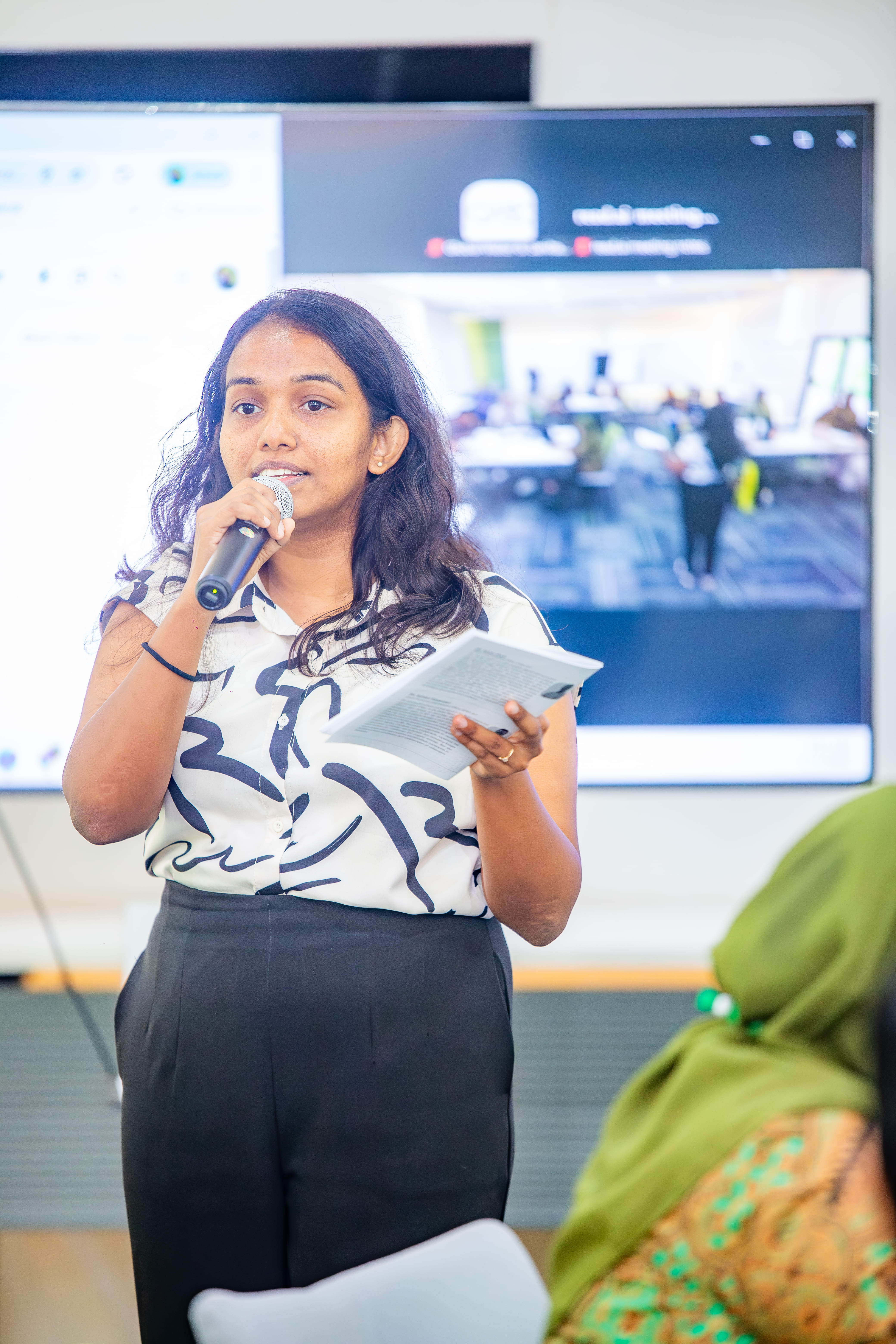
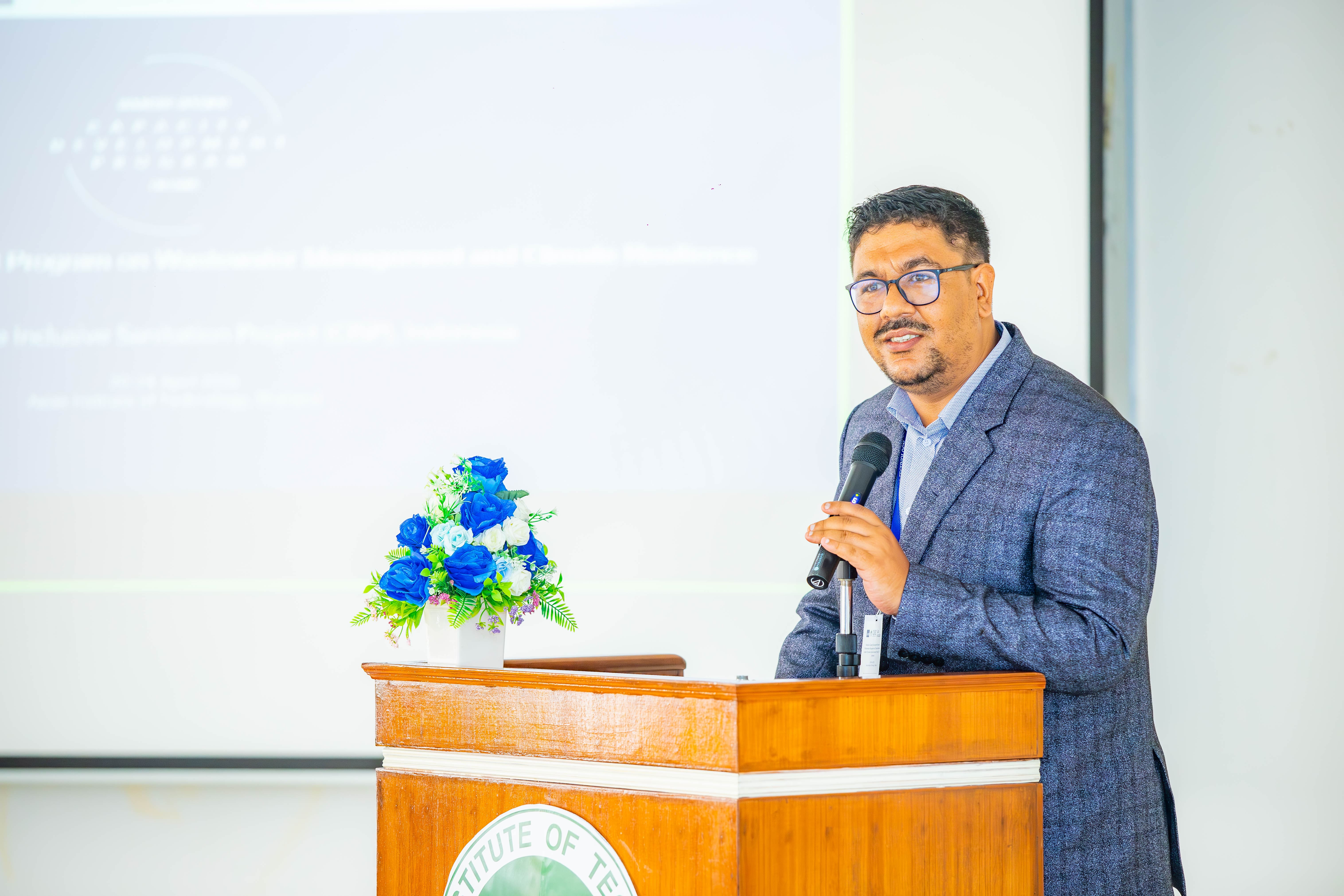
Technical sessions were delivered by a mix of GWSC’s in-house specialists and external experts. Co-director, Prof. Thammarat Koottatep opened with the Citywide Inclusive Sanitation framework, establishing that the challenge in the CISP cities is not toilet access but the safe management of what happens after. Mr. Mostafizur Rahman, Technical Coordinator, introduced CWIS planning tools, from Shit Flow Diagrams to geospatial platforms, as practical instruments for evidence-based decisions. Dr. Sanjiv Neupane, DI Lead and Ms. Sichu Shrestha, Research Associate demonstrated the Integrated Municipal Information System (IMIS), a digital platform that maps sanitation coverage, tracks service delivery, and supports investment prioritisation. Sessions on sewer system design and O&M, sanitation financing and sustainable business models, Gender Equality, Disability and Social Inclusion (GEDSI), and climate-resilient planning rounded out the week.
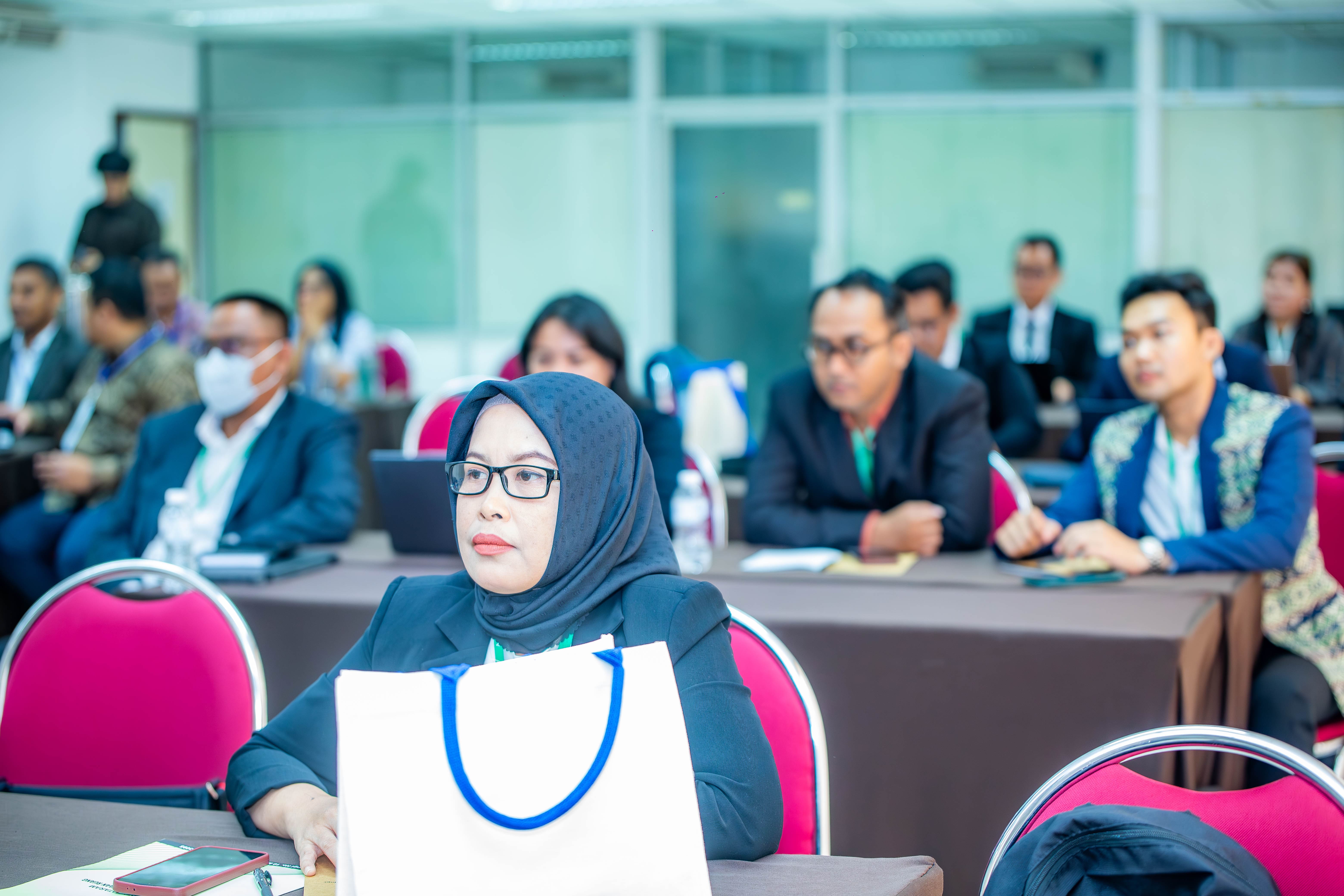
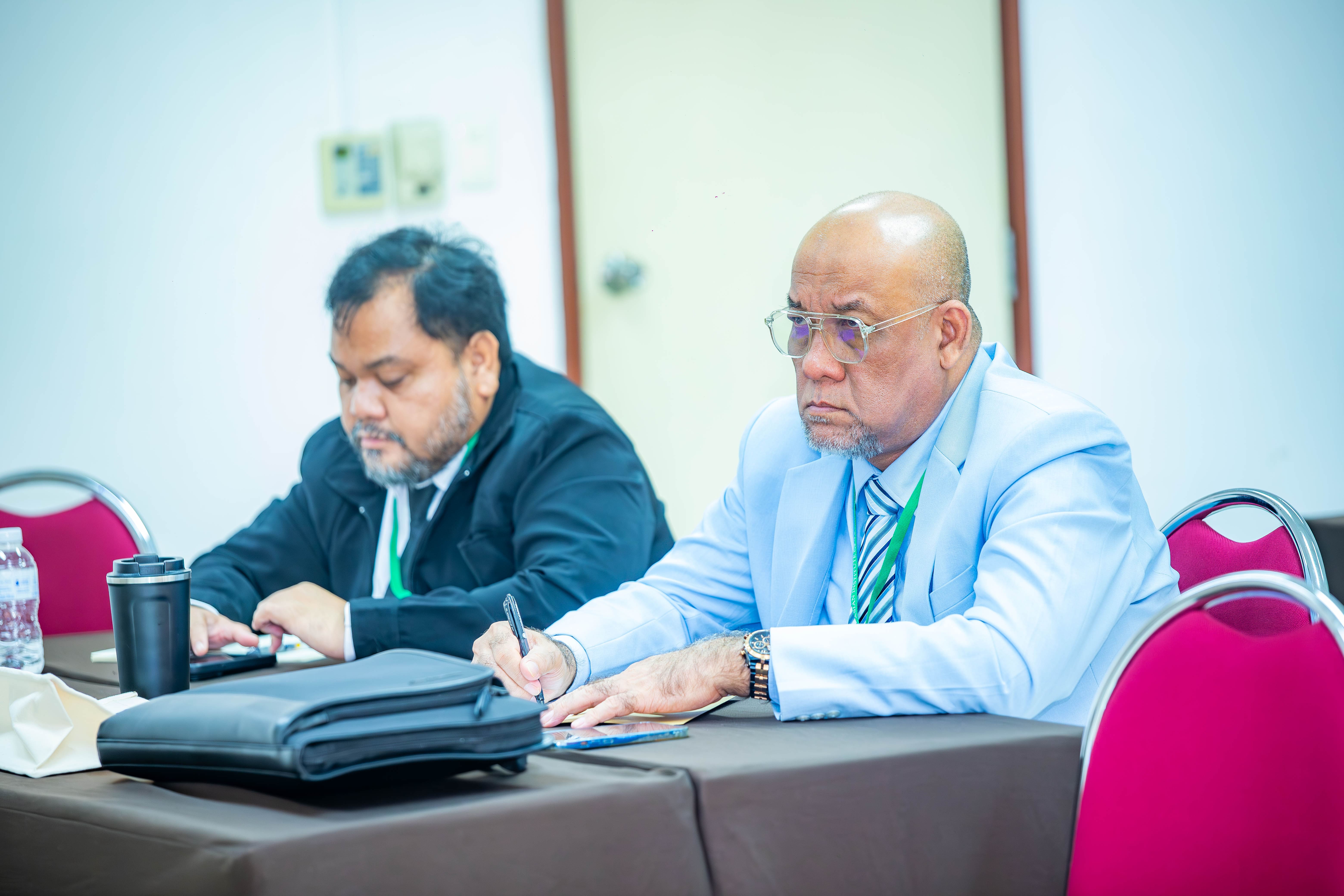
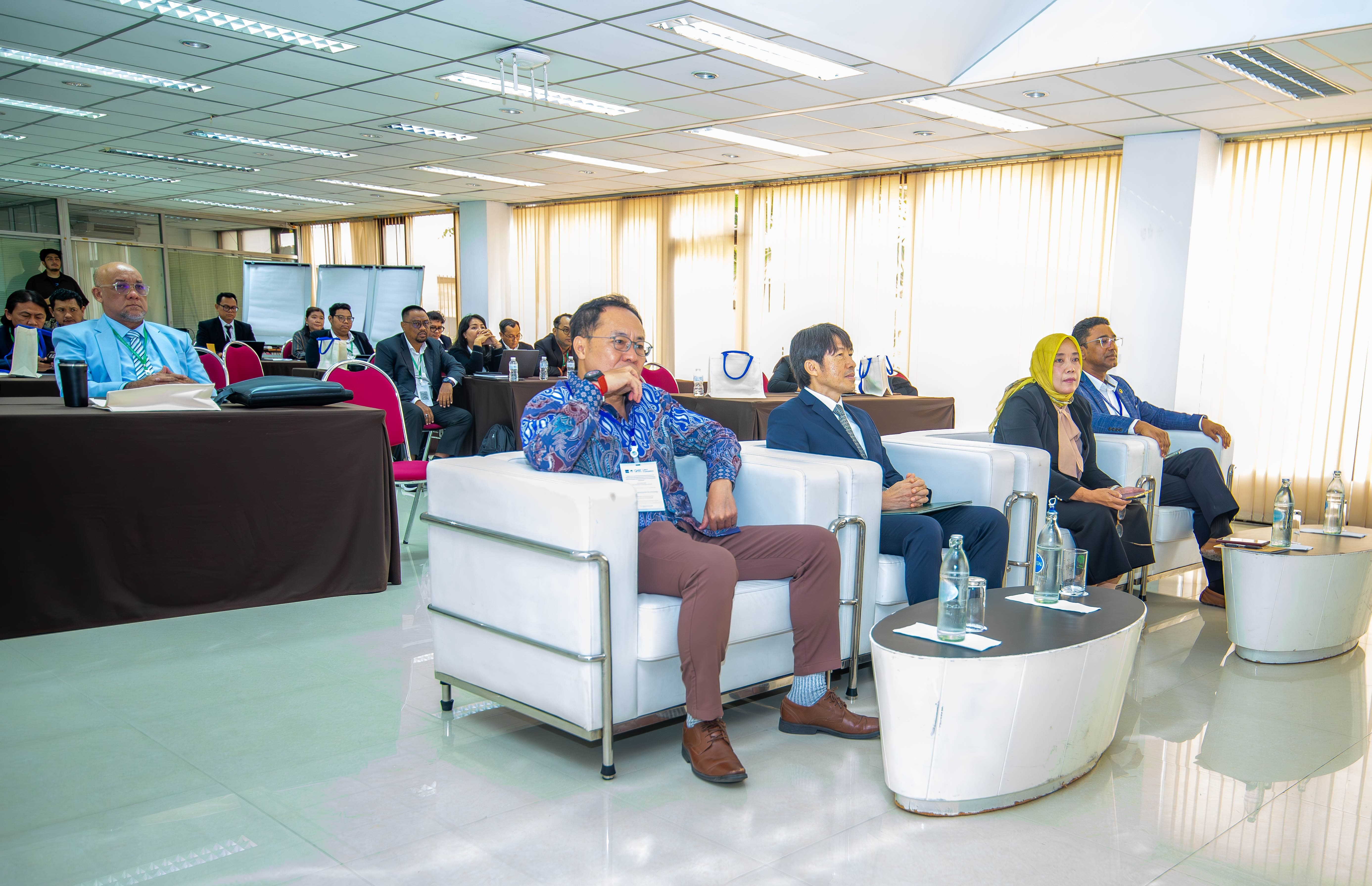
Two exposure visits grounded the classroom sessions in operating reality. At the Nongkhaem Wastewater Treatment Plant — serving 520,000 people across three Bangkok districts — participants walked the full treatment chain from preliminary screening through biological treatment and sludge management. At the Din Daeng Water Environment Control Plant, Thailand’s largest wastewater facility at 350 million litres per day capacity, the discussion turned to Bangkok’s multi-scale approach to treatment, tariff structures based on the polluter-pays principle, and the ongoing challenge of collection network performance. For officials who would soon be overseeing similar facilities back home, seeing a working system, including its operational challenges, was a different order of learning than any slide deck could provide.
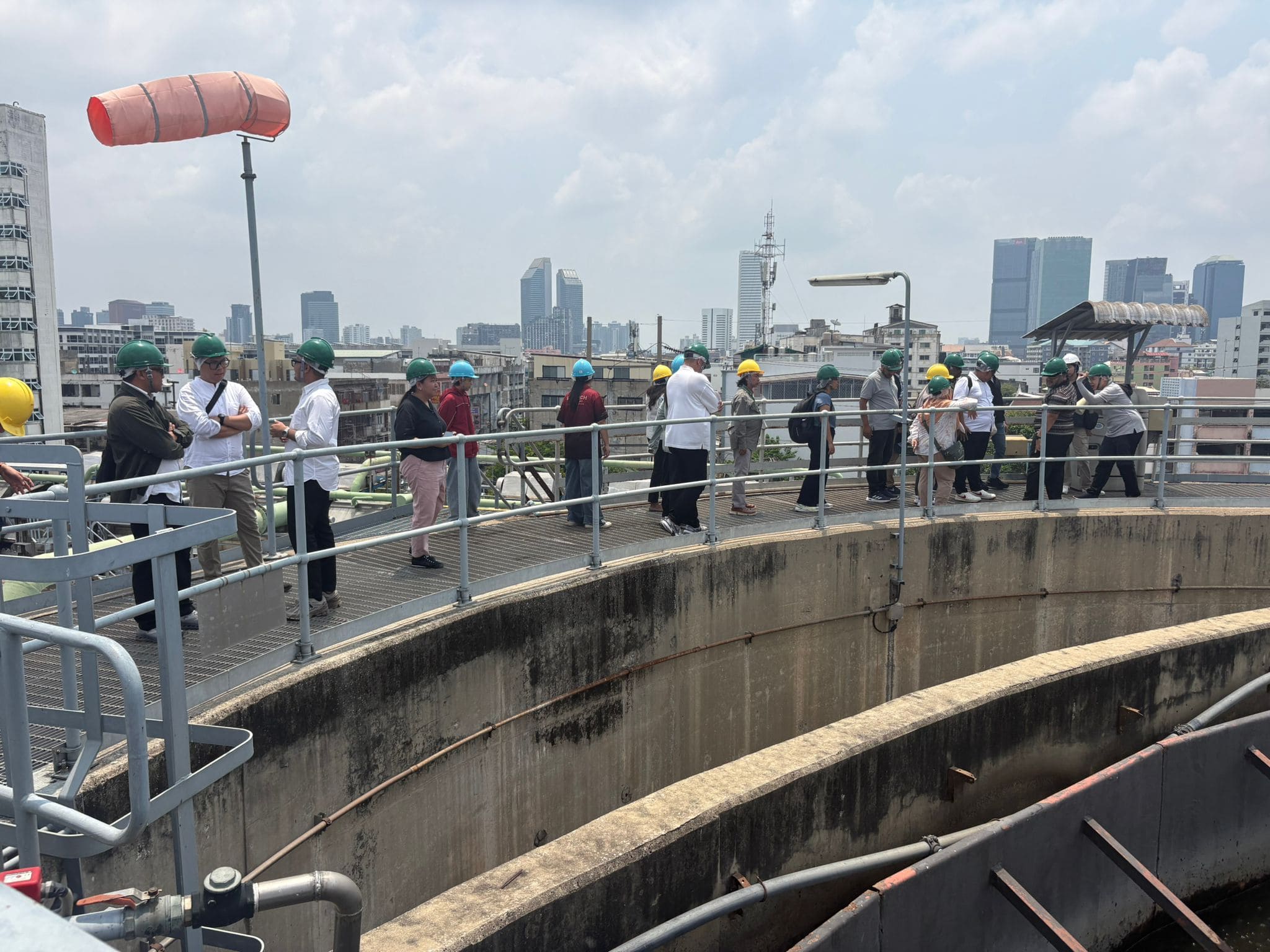
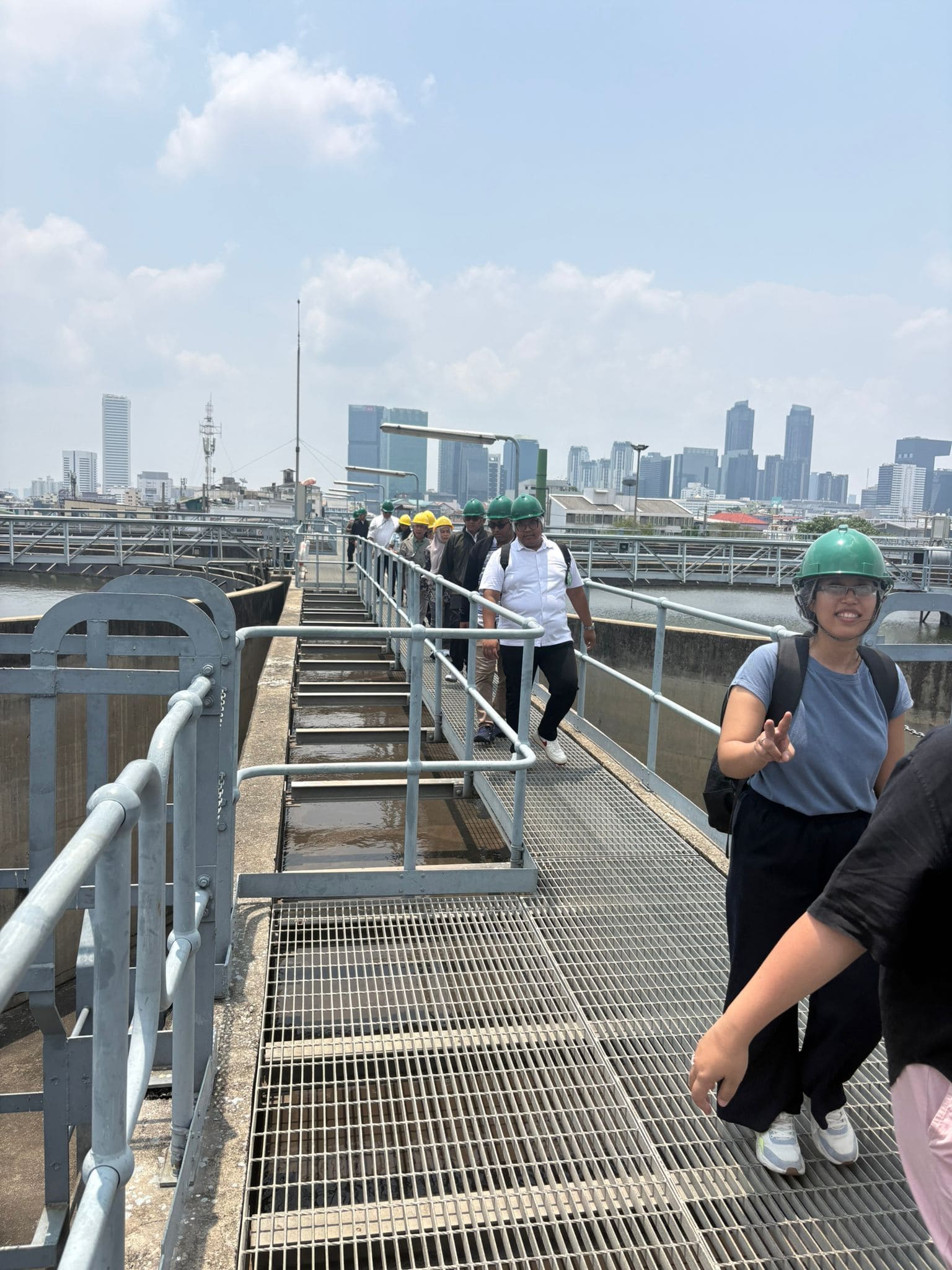
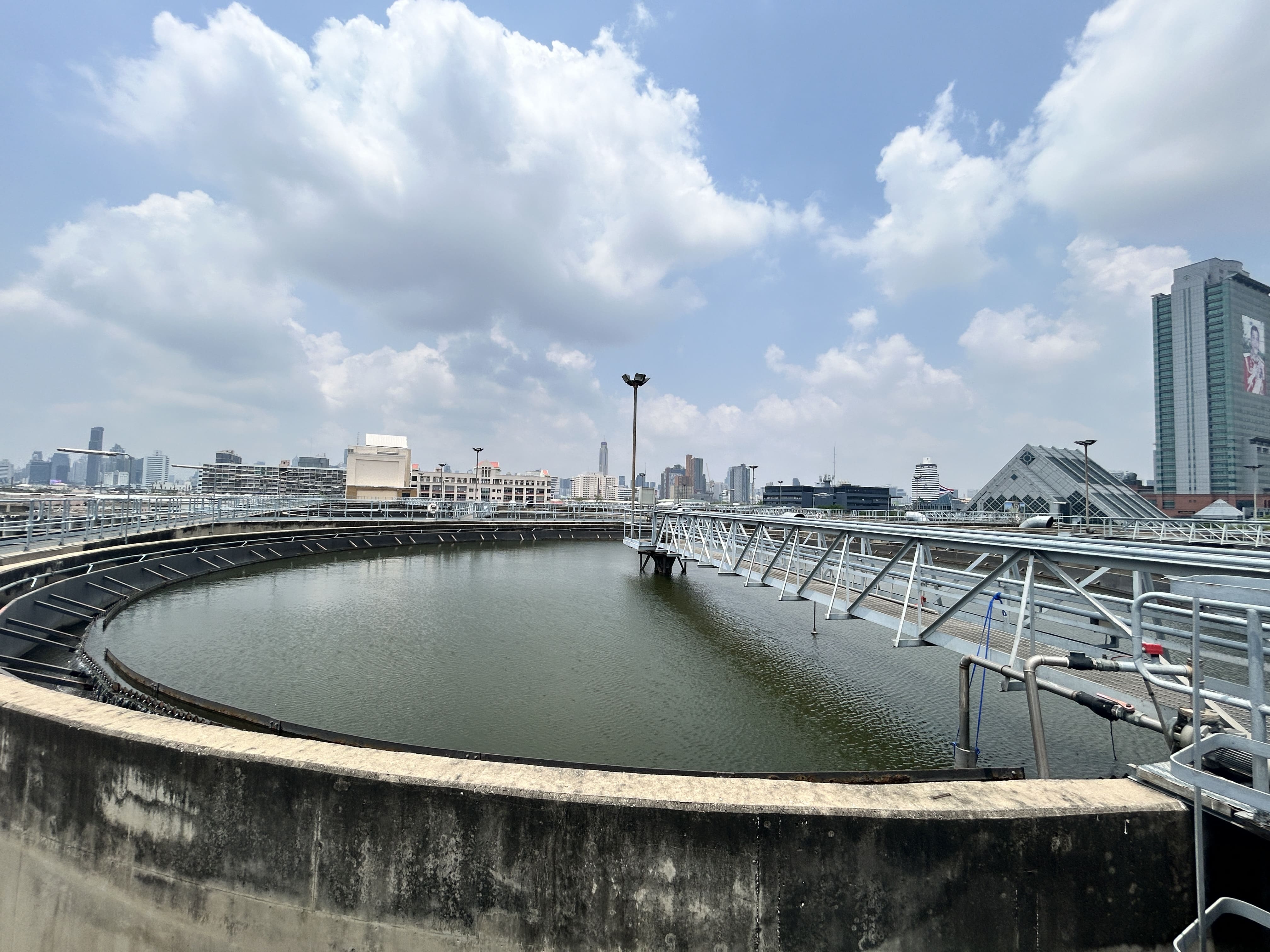
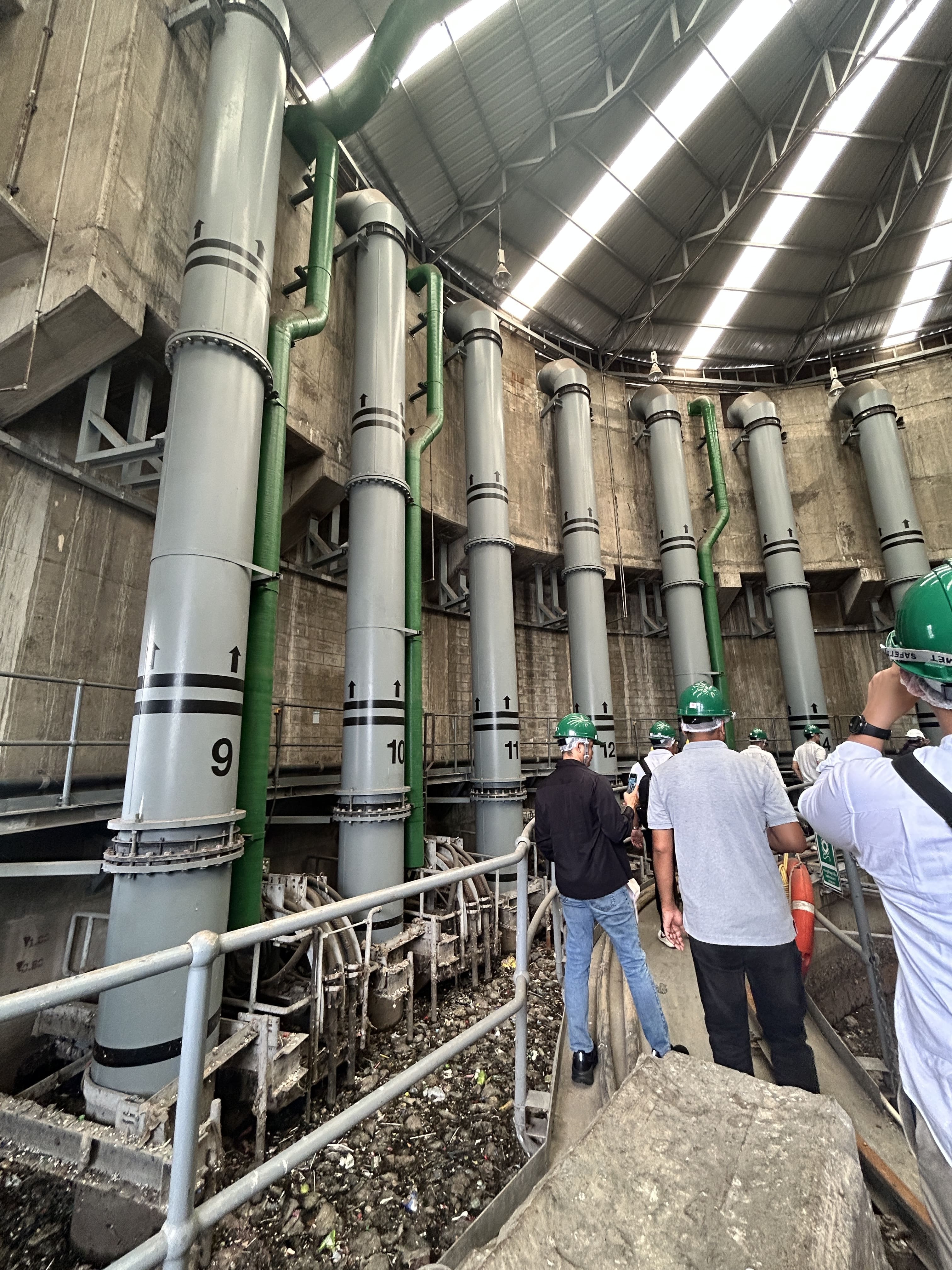
“This programme has provided us with a comprehensive experience. We learnt not only in-class, but also through direct field visits to wastewater treatment plants and sanitation service facilities — giving us a clear understanding of how systems operate in real environments.”
— Participant representative, Pontianak City Government
What Participants Took Home
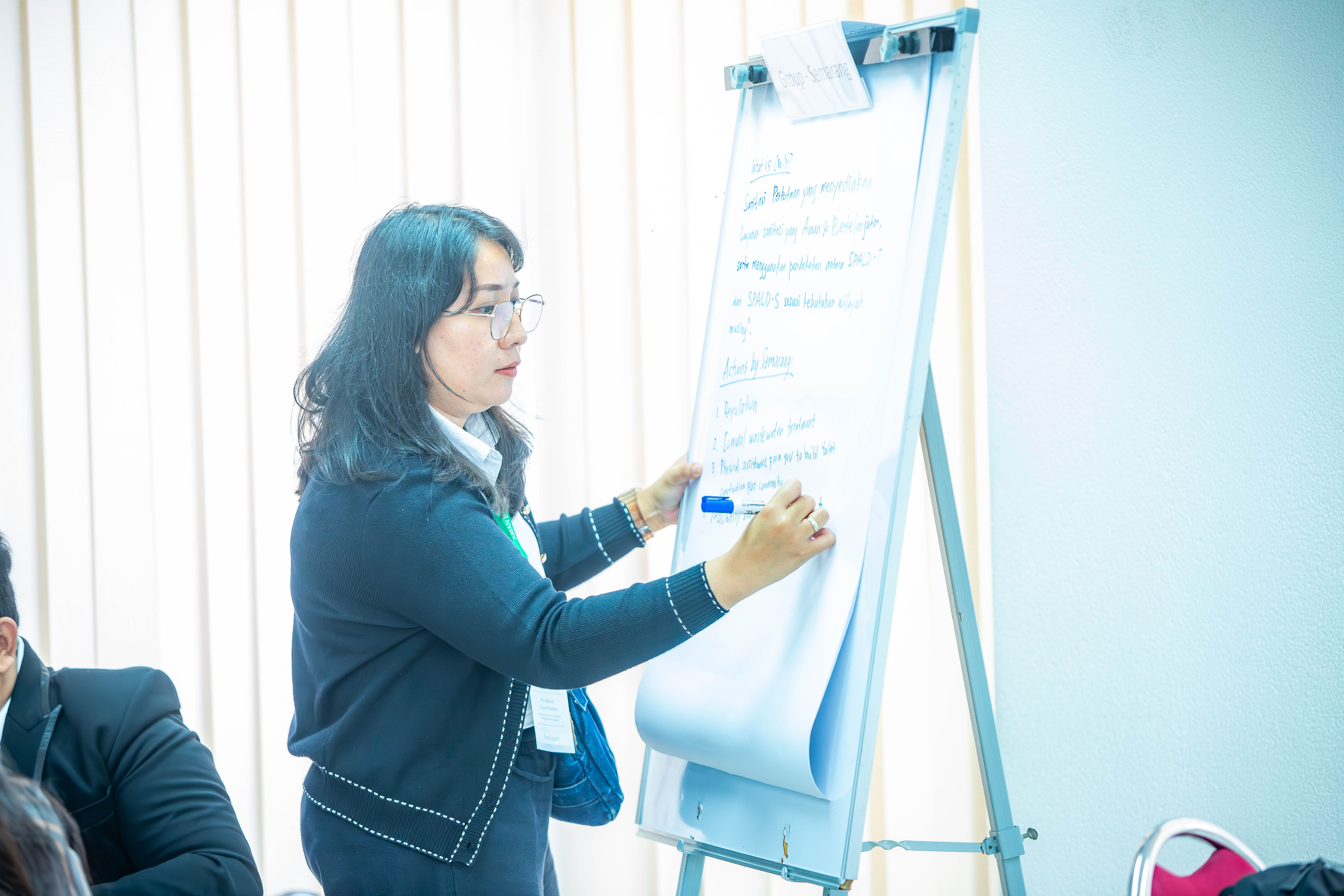
Each city group, Pontianak, Semarang, and Mataram, worked throughout the week to translate programme content into their own context. On Day 1, they mapped their current sanitation situation against CWIS principles: what existed, what was missing, and where the critical gaps were. On Day 5, after two site visits and three days of technical sessions, they revisited that analysis and identified specific priority actions, responsible actors, and the type of support they would need to move forward.
The resulting city action plans are not academic exercises. They address the real planning, financing, operational, and inclusion challenges each city faces under CISP: septic tank dominance, low household connection uptake, weak cost recovery, limited operator capacity, and the climate risks that flooding and extreme rainfall already impose on sanitation systems in all three cities.
Key finding: All 15 post-training survey respondents rated the programme as highly relevant to their work, and all 15 said they would recommend it. Thirteen of 15 requested continued technical support, a signal that the training succeeded in raising ambition alongside awareness.
The post-training survey confirmed learning gains were strong across all topic areas — CWIS concepts and operational aspects showed the highest gains, while GEDSI and digitalisation, areas where prior familiarity was lowest, showed meaningful improvement and were identified as areas where continued follow-up support would be most valuable.
A First Step in a Regional Programme Series
This programme is designed to be the first in a series. Under the ADB-AIT partnership, the model, combining GWSC’s technical depth with ADB’s country-level knowledge of project conditions, is intended to be replicated across other countries and ADB WASH investments in the region. The five-day format, the blended classroom-field-workshop design, and the city action planning methodology are all transferable.
GWSC finds it deeply rewarding to work with ADB HQ and the ADB Indonesia Resident Mission to deliver this capacity development programme. We are aligned in our commitment to ensure these trainings create real impact on the ground. GWSC is committed to supporting ADB with capacity building and technical expertise across ADB WASH projects to drive effectiveness, sustainability, and inclusivity in the region.
Fourteen officials arrived in Bangkok as practitioners responsible for some of Indonesia’s most significant urban sanitation investments. They left with a clearer framework, a set of planning tools, direct exposure to operational systems, and — critically — a city-level action plan grounded in what they had learned. The work of turning that plan into reality now begins.
Key Facts
| Participants: 14 mid-to-senior officials from Pontianak, Semarang, Mataram, and Indonesia’s national Ministry of Public Works |
| Duration: 5 days, 20–24 April 2026, hosted at the Asian Institute of Technology, Bangkok |
| Post-training survey: 15/15 respondents said they were likely to apply the learning within 6 months; 15/15 would recommend the programme |
| Site visits: Nongkhaem WWTP (serving 520,000 people) and Din Daeng Water Environment Control Plant (350 MLD capacity — largest in Thailand) |
| CISP sanitation context: Septic tank reliance in CISP cities ranges from 92.5% (Mataram) to 98.7% (Pontianak) |
| Partnership: Delivered under the ADB-AIT Memorandum of Understanding signed May 2025, supported by the Gates Foundation through the Sanitation Financing Partnership Trust Fund |
Topics:
Capacity Development · Wastewater Management · Citywide Inclusive Sanitation · Indonesia · WASH · Climate Resilience · CWIS · ADB Partnership